Zhang Xun Temple
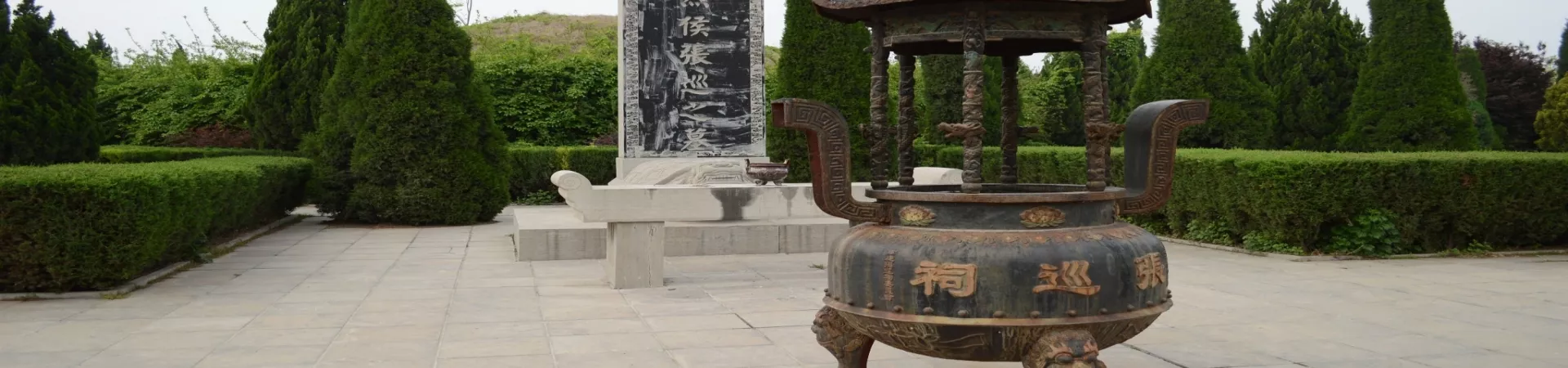
A Memorial to Unyielding Loyalty: The Zhang Xun Temple in Shangqiu
Nestled just outside the southern gate of the ancient Shangqiu city wall stands a monument to one of the most harrowing and heroic episodes of the Tang Dynasty: the Zhang Xun Temple. This solemn site is dedicated to the memory of General Zhang Xun, his colleague Xu Yuan, and the countless soldiers and civilians who perished in the epic and tragic defense of Suiyang City during the An Lushan Rebellion.
The Historical Backdrop: The An Lushan Rebellion To understand the significance of this temple, one must first comprehend the chaos it commemorates. The An Lushan Rebellion (755-763 AD) was a catastrophic civil war that nearly toppled the mighty Tang Dynasty. The rebel forces, led initially by An Lushan, swept across northern China, plunging the empire into violence and instability. In this maelstrom, the city of Suiyang (modern-day Shangqiu) emerged as a critical strategic bulwark. Its location made it the final major obstacle protecting the fertile and economically vital Jianghuai region (the lower Yangtze and Huai River areas) from the rebel advance. The fall of Suiyang would have opened the floodgates to the south, leading to untold devastation.
The Siege of Suiyang: A Chronicle of Heroism and Ingenuity The temple’s narrative centers on the legendary siege that took place in 757 AD. Commanding a rebel army of 130,000, General Yin Ziqi laid siege to Suiyang. Answering the call for aid, General Zhang Xun, then stationed in Ningling, marched his vastly outnumbered troops into the city to join forces with its commander, Xu Yuan. What followed was a masterclass in desperate military defense and psychological warfare, immortalized in Chinese history and folklore.
- Tactical Brilliance Against Overwhelming Odds: Zhang Xun was not merely a brave soldier; he was a cunning strategist. Facing sophisticated siege engines like the "goose carts," he devised effective countermeasures to break their assaults. Understanding that starvation could defeat his army as surely as the sword, he executed clever ruses to seize grain from the enemy. In one famous incident, he ordered his men to lower straw dummies clad in black over the city walls at night. The rebels, believing them to be troops attempting a raid, wasted tens of thousands of arrows shooting at them—arrows that Zhang Xun’s men then collected and used for their own defense. He further crippled the enemy by setting fire to their supply routes.
- The Ultimate Sacrifice: For months, through relentless attacks and growing famine, Zhang Xun and his men held the line. Their determined resistance pinned down a massive rebel army, buying crucial time for the Tang imperial forces to regroup and ultimately preventing the rebellion from spreading south. However, no reinforcements ever arrived. After exhausting all resources and food—reports even speak of unspeakable hardships—the city finally fell. Zhang Xun, Xu Yuan, and many of their loyal officers were captured and executed, choosing death over surrender.
The Temple Complex: Architecture of Remembrance The original temple built in their honor weathered centuries of history. To cater to the deep-seated desire of people, both domestically and internationally (especially among Chinese communities overseas), to pay their respects and to promote the spirit of patriotism, a new Zhang Xun Temple was reconstructed on the site in 1990. The current complex, covering an expansive area of 40,700 square meters, is designed to inspire reflection and is divided into three distinct sections:
- The Plaza Area: Serving as the approach to the main hall, this open space allows visitors to transition from the modern world into a state of contemplation, setting a tone of reverence for the historical figures commemorated within.
- The Main Architectural Zone: This is the heart of the complex, featuring the primary memorial hall. The architecture is grand and imposing, yet profoundly solemn. Inside, statues, steles (stone tablets), and murals likely depict the story of the siege and the likenesses of Zhang Xun and Xu Yuan, creating a powerful spatial narrative of their struggle and sacrifice.
- The Tomb and Garden Area: A quieter, more introspective space, this area is dedicated to the memory of the fallen. It may house cenotaphs or symbolic tombs, integrated with traditional Chinese garden elements to create a peaceful environment for remembrance and mourning.
A Living Legacy: Pilgrimage and Cultural Connection The Zhang Xun Temple is far more than a static museum; it is a living site of cultural memory and connection. For over a decade, it has served as a poignant pilgrimage destination, particularly for compatriots from Taiwan. Numerous organized groups from Taiwan have journeyed to Shangqiu specifically to visit the temple, offering incense and prayers to honor these ancient heroes. This practice underscores the powerful, shared cultural and historical heritage that transcends modern geopolitical divisions, binding people together through stories of loyalty, sacrifice, and collective identity.
Visitor Information
- Suggested Duration: A visit to fully absorb the historical significance and explore the grounds typically requires 1 to 3 hours.
- Admission: Access to the Zhang Xun Temple is usually included in a combined ticket for several attractions in the Shangqiu ancient city area, priced around 100 RMB.
- Opening Hours: The temple grounds are generally accessible to visitors all day, every day of the year.