shangqiu normal university
A Comprehensive Guide to Shangqiu Normal University: History, Culture, and Visitor Information
Nestled in the ancient city of Shangqiu, Henan Province—a region often hailed as one of the cradles of Chinese civilization—Shangqiu Normal University (SQNU) stands as a modern institution deeply rooted in a profound historical and cultural legacy. More than just an academic establishment, the university campus serves as a unique destination where contemporary educational vitality intertwines with the timeless atmosphere of its storied surroundings. For the culturally curious traveler, a visit to SQNU offers a distinctive lens through which to view the synthesis of ancient heritage and modern intellectual pursuit in central China.
I. Historical and Cultural Context: The University in an Ancient Land
- The Cradle of Shang Civilization: Shangqiu's significance cannot be overstated. It is traditionally considered the first capital of the ancient Shang Dynasty and is intimately connected to the origins of Chinese merchant culture and fire worship. The university, while a modern construct, draws its spirit from this millennia-old backdrop.
- A Campus Amongst History: The university's location places it within a living historical landscape. A visit here can easily be combined with explorations of nearby landmarks such as the Ancient City of Shangqiu (Huancui Park), the supposed site of the ancient capital, and the Temple of Fire, dedicated to Sui Ren Shi, the mythological discoverer of fire. This proximity allows visitors to feel the continuum from ancient rites to modern education.
II. Campus Life and Academic Atmosphere
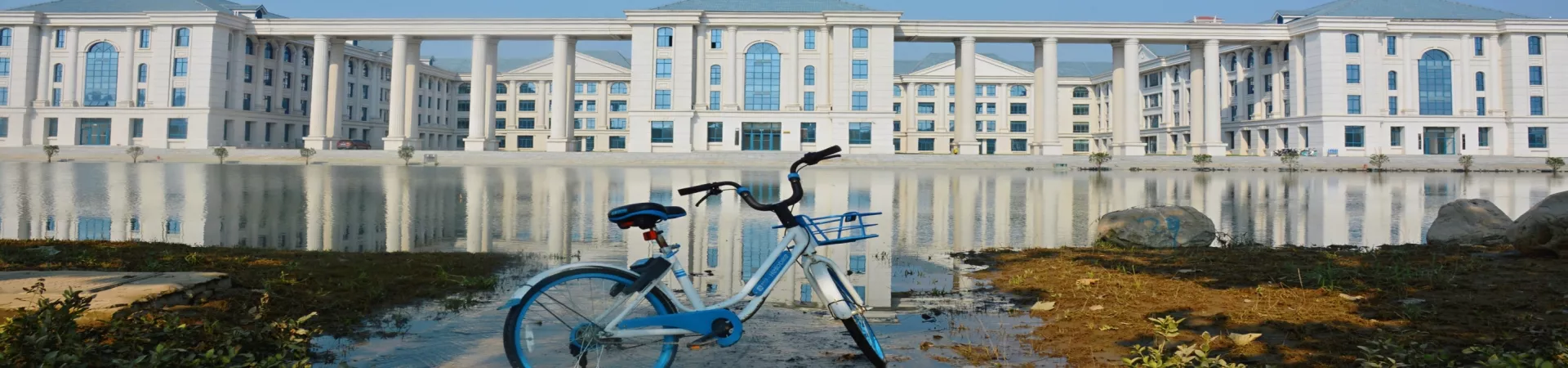
- Architectural and Environmental Ambiance: The campus typically blends functional modern architecture with thoughtful landscaping, featuring gardens, walkways, and recreational spaces that create a serene and scholarly environment. It is a place designed for contemplation and learning.
- The Pulse of Student Life: As a normal university, its primary focus is on training future educators. Visitors may observe the dynamic rhythm of student life—groups engaged in discussion, practice teaching sessions, or cultural activities. This energy provides a glimpse into the future of regional education and the youthful spirit that animates the city.
- Cultural Integration: The university often acts as a custodian and promoter of local culture. It may host museums, exhibitions, or research centers dedicated to Shangqiu's history, folk traditions, or archaeological findings, making it an active participant in the region's cultural preservation.
III. Practical Information for Visitors
Visiting Hours & General Access: The university campus grounds are generally accessible to the public daily. The open environment allows for casual strolls through its main thoroughfares and public gardens during daylight hours. However, it is crucial for visitors to remember that this is first and foremost a working institution. Access to specific buildings—such as academic departments, libraries, laboratories, and dormitories—is almost always restricted to students and staff to ensure the integrity of the academic environment and campus security. Visitors are expected to respect all signage, avoid disrupting classes or activities, and maintain a quiet, respectful demeanor while on campus.
Key Contact Information: For specific inquiries, particularly regarding formal visits, potential collaborations, or verified information, the following university contact numbers can be used: * General Inquiries: +86-370-2587991 * Alternative Line: +86-370-2592645 It is advisable to call during standard Chinese administrative hours (typically 8:00 AM to 12:00 PM and 2:30 PM to 5:30 PM, Monday through Friday) for the best chance of reaching a relevant office. For non-Mandarin speakers, having a translator assist with the call is highly recommended.
Location and Transportation: Shangqiu Normal University is located within Shangqiu's urban area. The city is a major transportation hub in eastern Henan, easily reachable via: * Shangqiu Railway Station: A key junction for conventional trains. * Shangqiu South Railway Station: Serving high-speed rail (G-trains), with excellent connections to Zhengzhou, Xuzhou, and beyond. * Shangqiu Guanyin Airport: Offering domestic flights to several major Chinese cities. From any of these transit points, taxis or local buses provide convenient access to the university campus. Using a digital map app (like Baidu Maps or Amap) with the university's Chinese name (商丘师范学院) is the most reliable way to navigate.
IV. Enhancing Your Visit: Recommendations and Etiquette
- Ideal Time for a Visit: Weekends or late afternoons, when academic schedules are lighter, often provide a more relaxed atmosphere for exploring the public areas of the campus. The seasons of spring and autumn, with their mild weather, are particularly pleasant.
- Cultural Etiquette: As with any university visit globally, discretion is key. Observe quietly, do not enter buildings without permission, and be mindful of students studying. Photography is generally acceptable in open outdoor areas but should be avoided in ways that intrude on individuals' privacy.
- Combining the Journey: To maximize your experience, structure your day to include both the university and Shangqiu's historical sites. The contrast and connection between the ancient city's remnants and the modern educational mission of SQNU form the core narrative of a visit here. Sampling local Shangqiu cuisine, such as various noodle dishes and savory pancakes, can complete a culturally immersive day.
In essence, a trip to Shangqiu Normal University is not merely about seeing a school; it is about experiencing a place where the weight of history silently informs the mission of shaping the future. It offers a quiet, intellectual counterpoint to the more traditional tourist trails, perfect for the traveler seeking to understand the living, evolving culture of this historically paramount region of China.