Shangqiu Museum
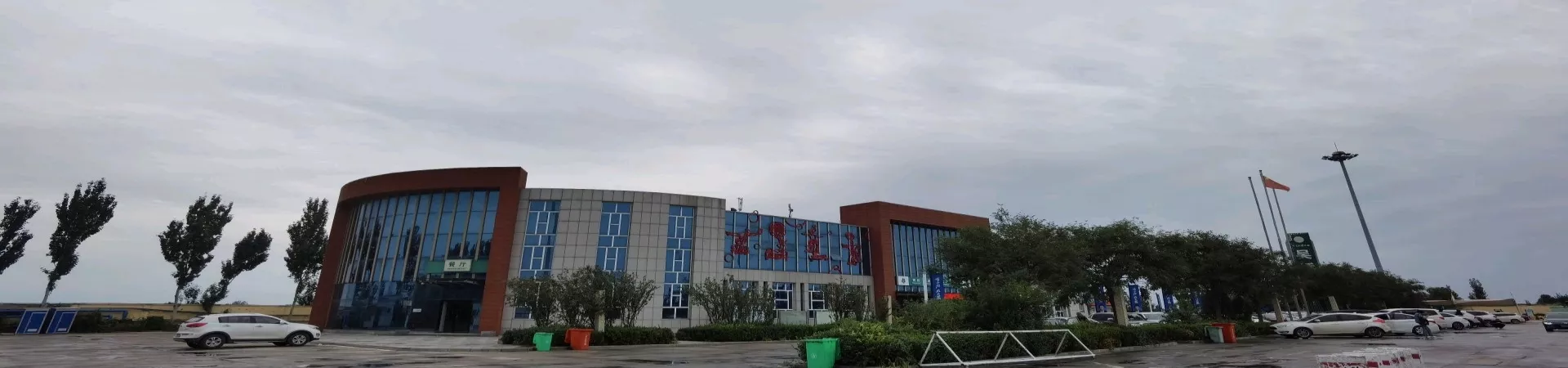
A Comprehensive Guide to Shangqiu Museum: Unveiling the Cradle of Chinese Civilization
Nestled in the heart of Henan Province, the Shangqiu Museum stands not merely as a repository of artifacts but as a profound gateway to one of China's most ancient and culturally significant regions. Often hailed as the "Source of Chinese Merchants" and the "Cradle of Chinese Fire," Shangqiu's history is deeply interwoven with the very origins of Chinese civilization, commerce, and important philosophical traditions. The museum, through its modern architecture and meticulously curated collections, serves as the definitive starting point for any visitor seeking to understand the deep historical layers of this legendary area.
1. Planning Your Visit: Essential Practical Information
Before embarking on your historical journey, it is crucial to plan your visit effectively. The museum operates with specific hours designed to facilitate a comprehensive experience for all guests.
1.1 Opening Hours: The Shangqiu Museum is open to the public from 9:00 AM to 5:00 PM daily, with the last admission permitted at 4:30 PM. This schedule applies from Tuesday through Sunday throughout the year. It is important to note that the museum is closed every Monday for routine maintenance and collection care. Visitors are advised to allocate a minimum of two to three hours to fully appreciate the extensive exhibits.
1.2 Location and Accessibility: Situated within the modern urban landscape of Shangqiu city, the museum is easily accessible by public transportation, taxi, or private vehicle. Its strategic location often places it near other cultural sites or parks, allowing for a full day of cultural exploration. The facility is generally equipped to accommodate visitors, though it is recommended to check ahead for the latest information on accessibility services and parking availability.
2. Architectural Philosophy and Museum Layout
The design of the Shangqiu Museum itself is a narrative statement. Moving away from purely traditional forms, its architecture often incorporates symbolic elements that reflect the region's identity—perhaps echoing the shapes of ancient ritual bronzes, the fluidity of merchant trade routes, or the enduring legacy of the Sui and Tang Grand Canal, which passed through this region. The interior is typically divided into several thematic exhibition halls, each flowing logically into the next to guide visitors on a chronological and conceptual journey through time.
3. A Journey Through Time: The Permanent Exhibition Halls
The core of the museum experience lies in its permanent exhibitions. These halls are not arranged as a mere collection of objects but as a carefully constructed story of Shangqiu's pivotal role in Chinese history.
3.1 The Dawn of Civilization: Ancient Shangqiu This section transports visitors back to the Neolithic era and the dawn of recorded history. Artifacts such as polished stone tools, delicate pottery, and early jade carvings testify to the ancient human activity in the Yellow River basin here. The exhibition establishes Shangqiu's geographical and cultural setting as a fertile ground for early state formation.
3.2 The Capital of Song and the Cradle of Merchants This is arguably the heart of the museum's narrative. During the Western Zhou Dynasty and the subsequent Spring and Autumn and Warring States periods, Shangqiu was the capital of the State of Song. The descendants of the Shang dynasty were enfeoffed here, and they are widely credited with preserving and advancing commercial practices. This hall showcases exquisite bronze vessels used in rituals of the Song state, ancient coinage, and artifacts related to early trade. It eloquently argues for Shangqiu's claim as the birthplace of the "Shang" (merchant) class, whose legacy gave China the very word for business.
3.3 Hub of the Grand Canal and Flourishing Cultural Exchange During the Sui and Tang dynasties, the Grand Canal—the lifeblood of imperial China—passed through Shangqiu, transforming it into a major commercial and transportation hub. Exhibits in this section might include models of canal boats, ceramics from famous kilns across China found locally, and steles (stone tablets) documenting the bustling economic life. This era highlights Shangqiu's role in national connectivity and cultural fusion.
3.4 The Legacy of Sages: Philosophy and Culture Shangqiu's land is imbued with philosophical significance. This hall is dedicated to the region's most famous sons: the great philosopher Mencius (Mengzi), who is said to have traveled and taught here, and the legendary Zhuangzi, one of the foundational Taoist thinkers, who served as a minor official in the area. Through historical texts, classical illustrations, and interactive displays, the exhibition explores how the environment and history of Shangqiu may have influenced their profound ideas about morality, nature, and society.
4. Highlights of the Collection: Must-See Artifacts
While the narrative is compelling, specific artifacts capture the imagination. Key highlights visitors should seek out include:
- 4.1 Ritual Bronze Vessels from the State of Song: Intricately cast ding (cauldrons) and gui (food vessels) adorned with taotie masks and inscriptions, symbolizing power and ritual propriety.
- 4.2 Ancient Coinage and Commercial Relics: Early shell money, spade money, and later coinage that illustrate the evolution of commerce, directly supporting the "source of merchants" thesis.
- 4.3 Tang Dynasty Tri-Color Glazed Ceramics (Sancai): Vibrant figurines of camels, horses, and court attendants, reflecting the wealth and cosmopolitan taste brought by Grand Canal trade.
- 4.4 Stone Carvings and Steles: Inscriptions and Buddhist sculptures that provide direct historical records and showcase artistic and religious developments through different dynasties.
5. Enhancing the Visitor Experience
Modern museums offer more than static displays. The Shangqiu Museum likely incorporates multimedia installations, touch-screen information kiosks, and detailed bilingual captions (Chinese and English) to contextualize the artifacts. Special temporary exhibitions are occasionally hosted to delve deeper into specific themes or showcase rare artifacts on loan, making repeat visits worthwhile. A museum gift shop typically offers souvenirs, replicas, and scholarly publications for those wishing to take a piece of history home.
In essence, a visit to the Shangqiu Museum is an intellectual and aesthetic journey to the roots of key aspects of Chinese culture. It moves beyond regional history to address national themes of origin, exchange, and thought. By the time one completes the circuit of its halls, the ancient name "Shangqiu" transforms from a simple geographical location into a rich, multi-dimensional concept central to understanding China's enduring civilization.
Information last verified: September 14, 2023.