Mangdangshan Tourist Area
A Journey Through Han Dynasty Heritage: Discovering Mangdang Mountain
Nestled in the Shangqiu region of Henan Province, the Mangdang Mountain Tourist Area is far more than a scenic landscape; it is a profound journey to the very cradle of Han civilization. Known as the "Land of the Han's Rise," this destination offers a unique blend of majestic history, rich cultural rituals, stunning natural geology, and authentic local flavors. It is where the story of one of China's most influential dynasties began, inviting visitors to step back over two millennia and immerse themselves in the world that shaped a nation.
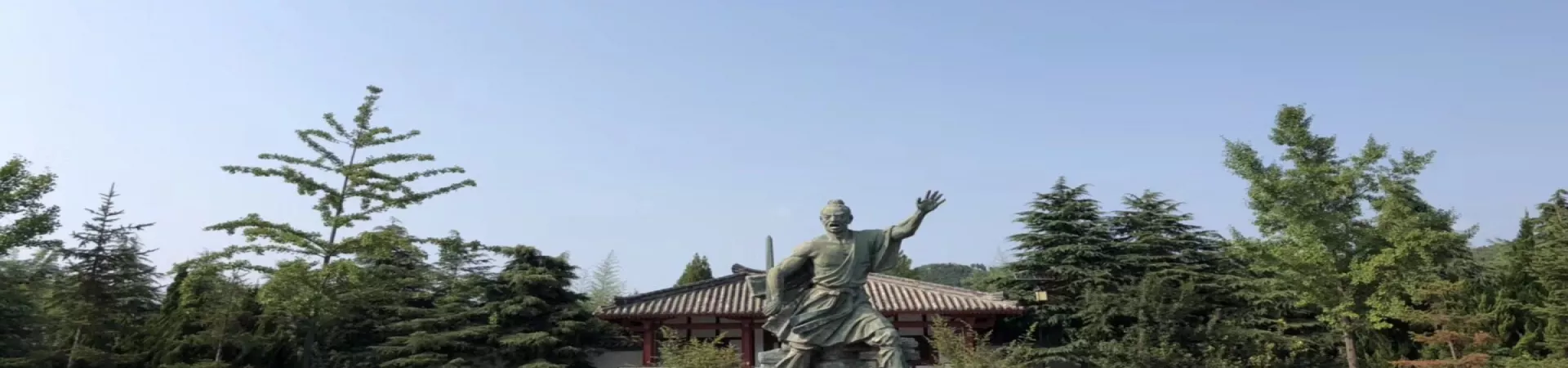
1. The Historical and Cultural Core * 1.1 The Birthplace of an Empire The significance of Mangdang Mountain is inextricably linked to Liu Bang, the founding emperor of the Han Dynasty. It was in this region that he initiated his rebellion against the Qin Dynasty, a pivotal moment commemorated at the "Liu Bang Slays the Snake" site. This legendary event symbolizes the dawn of a new era. The area served as a crucial base for the early Han rulers, and their legacy is permanently etched into the mountainside in the form of the magnificent Han Dynasty Tombs. * 1.2 Imperial Splendor: The Han Dynasty Tombs The Han Liang King Mausoleum complex is the undisputed historical centerpiece. These subterranean palaces, carved directly into the mountain rock for princes of the Liang Kingdom, are astonishing feats of engineering and artistry. Visitors descend into a silent stone world of burial chambers, corridors, and ancillary rooms. The tombs are renowned for their sophisticated drainage systems, intricate architectural details, and, most famously, the earliest surviving stone-carved toilet in China. Walking through these cool, echoing vaults provides a tangible and awe-inspiring connection to the imperial customs, beliefs, and technological prowess of the early Han period. * 1.3 A Colossal Sentinel: The Statue of Emperor Gaozu Dominating the skyline from the summit is the unmissable centerpiece of the "Great Han Scenic Area"—the colossal bronze statue of Emperor Gaozu (Liu Bang). As the tallest historical figure statue in Asia, it stands as a powerful, silent guardian overlooking the land he once ruled. The climb to the base of this monument is rewarded with not only a close-up view of the emperor's imposing visage but also with a commanding, panoramic vista of the entire Mangdang Mountain range and the plains beyond, physically placing the empire's origins in geographical context.
2. A Tapestry of Natural and Geological Wonders * 2.1 The Mangdang Mountain Geological Park Beyond its human history, Mangdang Mountain is a showcase of natural forces. The Geological Park component highlights the unique karst landscape that defines the area. The mountain itself is composed of limestone, shaped over eons by water into fascinating formations, hidden caves, and lush, forested slopes. This natural foundation is what provided the material for the rock-cut tombs and creates the beautiful, serene backdrop for the entire cultural experience. * 2.2 Landscapes and Local Flavors The scenic beauty changes with the seasons, offering picturesque views of rolling hills and dense vegetation. Intertwined with the natural experience is the opportunity to savor authentic "mountain village wild flavors." Local restaurants and vendors offer specialty dishes prepared with regional ingredients, such as free-range poultry, wild herbs, mushrooms, and other seasonal produce. These hearty, flavorful meals provide a taste of the local culinary traditions that have been part of this region's life for centuries.
3. Practical Information for Your Visit * 3.1 Tickets and Suggested Itinerary A comprehensive combo ticket (approximately 90 RMB) is highly recommended for first-time visitors. It typically includes access to the core sites: the Han Liang King Mausoleum, the Liu Bang Slays the Snake site, the Great Han Scenic Area (with the statue), and the entrance to the Geological Park. This allows for a full and efficient exploration. A well-paced visit to all major attractions generally requires a full day. Please note: All ticket prices and opening hours are subject to change; it is always advisable to verify the latest information through official channels before your visit. * 3.2 Opening Hours and Best Times to Visit The tourist area operates with seasonal hours. During the peak summer months (June 1st - August 31st), gates are open from 8:30 AM to 6:00 PM, with last entry at 5:40 PM. In the winter season (December 1st - February 28th), hours are slightly shorter, from 8:30 AM to 5:00 PM, with last entry at 5:00 PM. The mountain's beauty is year-round, but spring and autumn offer the most comfortable weather for hiking and exploration. * 3.3 Contact and Logistics For any specific inquiries prior to your trip, you can contact the tourist area at 0370-5970777 or 0370-5970222. Visitors holding eligible free admission passes or special tickets must present their original ID along with the relevant certificate at the Han Liang King Mausoleum Visitor Center to exchange for an entry ticket before proceeding to the attractions.