Former Residence of Hou Fangyu
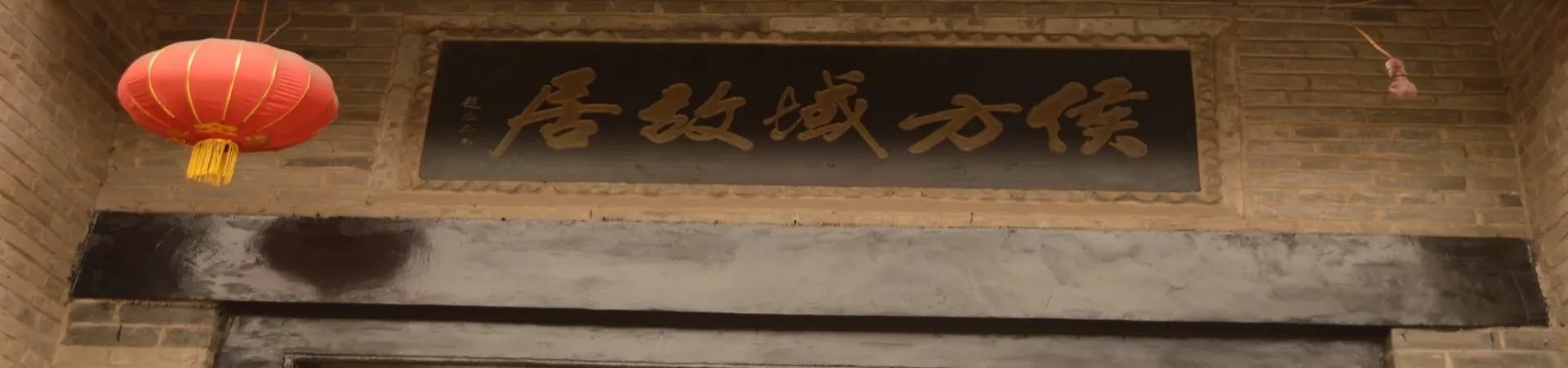
Subtitle: A Journey Through History: Exploring the Former Residence of Hou Fangyu in Shangqiu
1. Introduction: The Scholar's Abode in an Ancient City Nestled within the historic city of Shangqiu in Henan Province, a place often hailed as the cradle of Chinese civilization, lies the Former Residence of Hou Fangyu. More than just a collection of traditional courtyard buildings, this site serves as a poignant portal into the turbulent yet culturally rich Ming-Qing transition period. It is intimately connected with the life and legacy of Hou Fangyu (1618-1654), a renowned scholar, poet, and a leading member of the Fu She (Restoration Society). His story, particularly his legendary romance with the courtesan Li Xiangjun, immortalized in Kong Shangren's classic play The Peach Blossom Fan, has transformed his home from a mere historical site into a symbol of scholarly integrity, poignant love, and the complex moral dilemmas faced by intellectuals in times of dynastic change. A visit here is not merely an architectural tour but an immersion into a powerful narrative of loyalty, art, and personal tragedy set against the backdrop of a crumbling empire.
2. Historical Context and Significance: The Man and His Era 2.1. Hou Fangyu: The Scholar-Patriot To understand the residence's significance, one must first understand the man. Hou Fangyu was born into a family of Ming dynasty officials and received a classical education, excelling in poetry and prose. He rose to prominence as a key figure in the Fu She, a literary and political society composed of scholar-officials and intellectuals who advocated for political reform and loyalist resistance against the rising Manchu forces. His writings and activities were characterized by a deep concern for the fate of the Ming dynasty. However, like many of his contemporaries, he was caught in an impossible conflict: the choice between upholding loyalty to a fallen dynasty (the Ming) and serving under the new, consolidating Qing regime—a choice fraught with political danger and moral anguish.
2.2. The Love Story That Echoes Through Time His personal life became eternally intertwined with history through his relationship with Li Xiangjun, a talented and famously principled courtesan from Nanjing's Qinhuai district. Their story is one of deep affection tested by immense political pressure. When a powerful official demanded Li Xiangjun as a concubine, she refused with dramatic defiance, dashing her head against a pillar and staining a fan given to her by Hou with her blood. This fan was later painted with peach blossoms by an artist friend, transforming it into a symbol of her loyalty and resilience. This "Peach Blossom Fan" became the central metaphor in Kong Shangren's play, ensuring that the tale of Hou and Li's love, sacrifice, and the clash between personal feelings and political loyalties would resonate for centuries.
3. Architectural Layout and Features: A Glimpse into Ming-Qing Lifestyle The residence itself, though likely restored in later periods, reflects the architectural style and living environment of a scholarly-official family from that era. The compound typically follows the traditional siheyuan (courtyard house) layout, emphasizing symmetry, hierarchy, and harmony with nature.
3.1. Courtyards and Main Structures The complex is organized around a central axis. Visitors pass through a main gate into a series of interconnected courtyards. The primary halls, such as the reception hall (keting) and the main living quarters, are located on the central axis. These spaces are characterized by elegant but understated design, with wooden beam frameworks, grey-tiled roofs, and upturned eaves. The use of wood, brick, and stone creates a serene and scholarly atmosphere.
3.2. Functional Spaces The residence is divided into distinct functional zones: * The Reception and Study Areas: These would have been the public and semi-public spaces where Hou Fangyu received guests, discussed politics with fellow Fu She members, and engaged in literary composition. A dedicated study, filled with replicas of classical books, writing brushes, and inkstones, evokes the image of the scholar deep in thought or drafting his influential essays. * The Living Quarters: The inner courtyards, more private and secluded, housed the family's living spaces. These quieter areas offer a sense of the daily domestic life that continued amidst the external political storms. * The Garden Elements: While perhaps not extensive, traditional Chinese residences often incorporated small garden spaces, with rockeries, potted plants, and perhaps a small pond. These elements provided a contemplative retreat, essential for a poet and scholar, symbolizing the ideal of finding tranquility within one's own world.
4. The Visitor Experience: Connecting with the Past Walking through the quiet courtyards of the residence today, visitors are encouraged to engage with history on multiple levels.
4.1. Artifacts and Cultural Relics The rooms may display various artifacts and reproductions related to Hou Fangyu's life and work. These can include: * Calligraphy and Paintings: Reproductions of his poetic works or associated artworks, including depictions of the iconic Peach Blossom Fan. * Historical Documents: Information panels or copies of texts explaining the Fu She movement, the history of the Ming-Qing transition, and excerpts from The Peach Blossom Fan. * Period Furniture: Antique or replica furniture from the Ming and Qing dynasties, such as hardwood chairs, tables, and cabinets, helping to recreate the ambiance of the period.
4.2. Evoking the Narrative The true power of the site lies in its ability to evoke the human story. Standing in the study, one might imagine Hou Fangyu grappling with his difficult choices. In the quieter inner rooms, the shadow of Li Xiangjun's absent presence and their tragic romance becomes palpable. The residence acts as a stage where this historical drama unfolded, allowing visitors to reflect on timeless themes of love, loyalty, integrity, and the price of principle.
4.3. Integration with Shangqiu's Heritage A visit to the Hou Fangyu Residence is greatly enriched by understanding its context within Shangqiu. This ancient city, believed by some to be the site of the first capital of the Shang dynasty, is steeped in history. The residence adds a more personal, literary, and emotionally charged layer to the region's deep historical tapestry, which also includes sites like the Ancient City of Shangqiu and the Huancui Terrace. It represents not just the life of one man, but the voice and spirit of a whole generation of Chinese intellectuals at a critical historical juncture.