Confucius Mountain Scenic Area
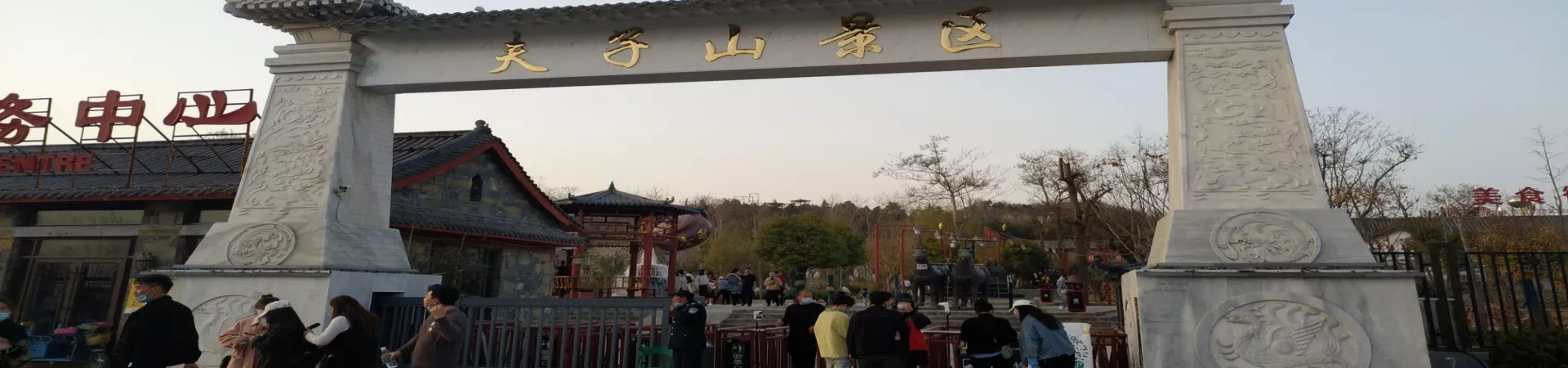
A Traveler's Guide to Fuzishan Scenic Area, Shangqiu: History, Landscape, and Practical Tips
Nestled in the ancient city of Shangqiu, Henan Province, the Fuzishan Scenic Area stands as a profound cultural and natural landmark, deeply intertwined with the legacy of Confucius. More than just a picturesque landscape, it is a tangible journey into Chinese philosophical history, set against a backdrop of serene forests, historic temples, and quiet contemplation. This guide provides an in-depth look at what makes Fuzishan a unique destination, offering detailed insights to help you plan a meaningful visit.
1. The Historical and Cultural Heart of Fuzishan The very name "Fuzishan" (夫子山), which translates to "Master's Mountain," is a direct homage to Confucius (孔子, Kongzi). The area's significance stems from a pivotal period in the great philosopher's life.
1.1 Confucius and His Connection to Shangqiu According to historical records, during his travels across various states to promote his teachings, Confucius found himself in the State of Song (whose capital was in present-day Shangqiu). It is believed that he once retreated to this very area to escape political turmoil, reflect, and continue his scholarly pursuits. This episode imbues the mountains and forests with a sense of historical weight, transforming the natural scenery into a classroom of ancient wisdom.
1.2 Architectural Legacy and Cultural Sites Scattered throughout the scenic area are structures and sites that commemorate Confucius's presence and the enduring influence of his thoughts.
- The Confucian Temple (夫子庙): Often the cultural centerpiece, this temple is dedicated to the veneration of Confucius. While architectural styles may vary, such temples typically house statues of the sage, altars for offerings, and inscriptions of his teachings. It serves as a place for quiet reflection on the virtues of benevolence (仁, Ren), righteousness (义, Yi), and propriety (礼, Li).
- Academic Halls and Study Sites: You may encounter sites traditionally identified as places where Confucius taught disciples or engaged in scholarly discussions. These spots highlight the area's role as an ancient center of learning and philosophical discourse.
- Commemorative Monuments and Steles: Stone tablets (steles) engraved with classical texts, poems from later dynasties praising Confucius, or records of temple renovations are common. They form a continuous historical dialogue across centuries, paying tribute to the sage's lasting impact.
2. Exploring the Natural Landscape and Key Scenic Spots The Fuzishan Scenic Area masterfully blends its cultural heritage with the beauty of its natural environment. The landscape is characterized by gentle forested slopes, ancient trees, winding paths, and tranquil spots ideal for contemplation.
2.1 The Mountain Trails and Forest Atmosphere Well-maintained walking paths and stone steps lead visitors through lush greenery. The forest, often featuring species like pine and cypress trees (symbols of longevity and resilience in Chinese culture), provides a cool, shaded canopy. The act of walking these paths echoes the journeys of ancient scholars and invites a peaceful, meditative state of mind away from urban bustle.
2.2 Notable Viewpoints and Natural Features
- Summit Vistas: A climb to the higher points of the area is usually rewarded with panoramic views of the surrounding Shangqiu countryside. These vistas offer a perspective on the land that has witnessed millennia of history.
- Ancient Trees and Rock Formations: Keep an eye out for particularly old, gnarled trees or unique rock outcrops. Many such features have names and legends associated with Confucius's visit, suggesting perhaps a place where he rested, read, or gazed into the distance.
- Quiet Ponds and Streams: Small bodies of water add to the serene atmosphere. The reflective surface of a pond, in the context of a Confucian site, can be seen as a metaphor for self-examination and clarity of thought.
3. Practical Information for Your Visit To ensure a smooth and enjoyable experience, here are the essential logistical details for planning your trip to Fuzishan.
3.1 Opening Hours and Best Time to Visit The scenic area operates year-round, with seasonal adjustments to its opening times. It is crucial to note the last admission time to ensure entry.
- Summer Operation (June 1st - August 31st): The gates are open from 08:30 to 18:00, with last admission at 18:00.
- Winter Operation (December 1st - February 28th/29th of the following year): Hours are from 08:00 to 18:00, with last admission also at 18:00.
- The transitional periods (spring and autumn) may follow one of these schedules or an intermediate time; it is always advisable to double-check closer to your travel date. Autumn, with its mild weather and clear skies, is often considered the most pleasant season for a visit.
3.2 Location and Transportation The Fuzishan Scenic Area is located within or on the outskirts of Shangqiu city. Access is relatively straightforward.
- From Shangqiu City Center: Public buses or taxis can conveniently take you to the scenic area. The journey is typically short.
- From Shangqiu Railway Station / High-Speed Rail Station: Both stations are major transport hubs. Taxis, ride-hailing services, or tourist buses are available for the trip to Fuzishan, which may take 30 minutes to an hour depending on traffic and exact location.
- Self-Driving: If driving, navigation apps set to "商丘夫子山景区" will provide the best route. Parking facilities are usually available near the entrance.
3.3 Visitor Tips and Recommendations
- Footwear and Comfort: Given the mountainous terrain and walking involved, comfortable, sturdy shoes are essential.
- Pacing and Hydration: Allocate 3-4 hours for a thorough, leisurely exploration. Carry drinking water, especially during the warmer summer months.
- Cultural Etiquette: As a site of cultural reverence, maintaining a respectful demeanor, particularly within temple areas, is appreciated. Speaking in moderate tones and following any posted guidelines is recommended.
- Combined Itinerary: Consider pairing your visit to Fuzishan with other historical sites in Shangqiu, such as the Ancient City of Shangqiu (商丘古城) or the Huagu Opera Heritage site, to gain a fuller understanding of the region's immense historical tapestry.