Woody Island (Yongxing Island)
A Comprehensive Travel Guide to Yongxing Island, Sansha, China
Subtitle: Unveiling the Pristine Beauty and Strategic Significance of China's Southernmost Island Paradise
Nestled amidst the turquoise embrace of the South China Sea, Yongxing Island stands as the largest island in the Yongle Archipelago of the Xisha Islands (Paracel Islands). More than just a tropical getaway, it serves as the political, economic, and cultural heart of Sansha City, China's southernmost and geographically unique city-level administration. This guide delves into the multifaceted allure of Yongxing Island, offering visitors insights into its natural wonders, developmental strides, and practical travel information.
1. An Island of Dual Identity: Nature's Haven and Administrative Hub
Yongxing Island presents a fascinating blend of untouched natural beauty and modern, functional infrastructure. Its transformation from a remote outpost to a vibrant island community is a testament to China's commitment to developing and safeguarding its southern territories.
1.1. The Heart of Sansha City As the seat of Sansha City's government, the island hosts key administrative offices, residential complexes, and public service facilities. This administrative role underscores its strategic importance while providing a stable base for the small community of residents and personnel who call it home.
2. Experiencing the Natural Landscape and Climate
The island's environment is characterized by its tropical marine climate and distinctive geological features.
2.1. Climate and Best Time to Visit Yongxing Island enjoys a typical tropical maritime climate, with abundant sunshine year-round. Temperatures are consistently warm, averaging between 25°C to 31°C (77°F to 88°F). * Dry Season (November to April): This period features pleasant temperatures, lower humidity, and less rainfall, making it the optimal and most popular time for travel. Sea conditions are generally calmer. * Rainy/Wet Season (May to October): Characterized by higher temperatures, increased humidity, frequent afternoon showers, and a higher possibility of typhoons. Travel during this time requires closer monitoring of weather forecasts.
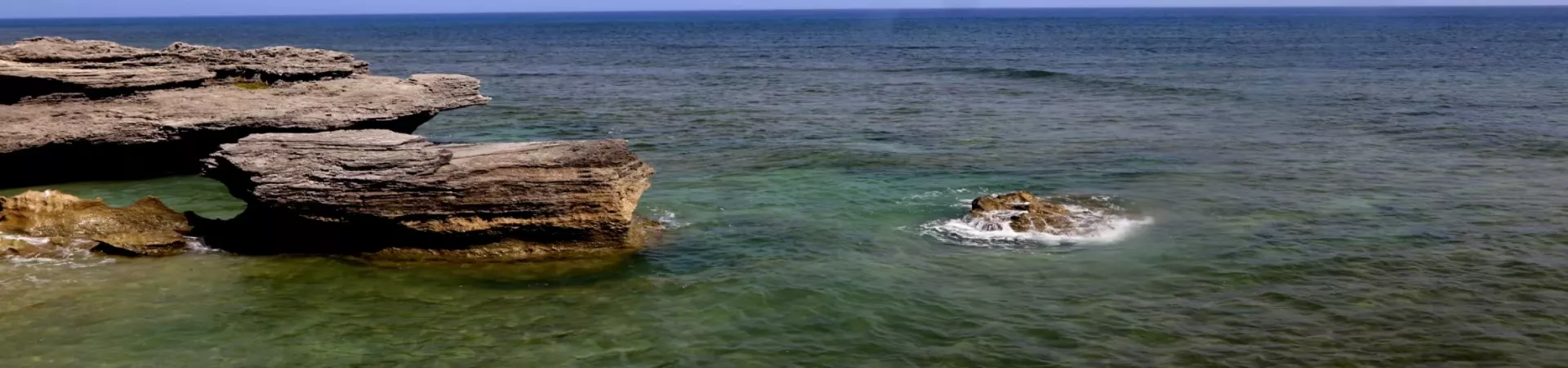
2.2. Topography and Beaches The island is relatively flat, composed primarily of coral and sand. Its coastline is fringed with stunning white-sand beaches and clear, shallow lagoons. * Coral Sand Beaches: The iconic fine, white sand, derived from coral, creates postcard-perfect beaches. The contrast with the azure blue water is breathtaking. * Shallow Lagoons and Tide Pools: The surrounding waters are home to vibrant coral reefs teeming with marine life. Snorkeling in these protected lagoons offers glimpses into a colorful underwater world.
3. Key Attractions and Points of Interest
While maintaining a focus on its official functions, Yongxing Island offers several points of interest for visitors.
3.1. The Sansha City Municipal Building A symbolic modern structure representing China's sovereignty and governance over the South China Sea islands. Its architectural presence is a notable landmark.
3.2. Yongxing Island Airport A crucial infrastructure project that connects the island to the mainland (via Haikou), facilitating transportation for personnel, supplies, and, on designated tours, visitors.
3.3. Monument to the Liberation of the Xisha Islands A historical monument commemorating the events related to the establishment of Chinese administration on the islands, offering insight into the area's modern history.
3.4. Coastal Promenades and Green Spaces Recent development projects have included the creation of pleasant walkways along parts of the coastline and the cultivation of green spaces and gardens, demonstrating efforts to enhance the livability and ecological environment of the island.
4. Practical Visitor Information and Guidelines
Access to Yongxing Island is regulated due to its sensitive location and logistical constraints. It is not a conventional open-access tourist destination.
4.1. Access and Permissions Tourism is highly managed. Independent travel is generally not permitted. * Organized Tours: Access is primarily possible through officially sanctioned, organized tour groups arranged by specific travel agencies authorized by the Sansha municipal government. These tours are infrequent and subject to strict approval processes. * Permission Requirements: All visitors must obtain prior permission from the relevant Chinese authorities. The organizing tour agency typically handles this complex process, which involves background checks and itinerary approval. * Transportation: The primary mode of access is by air via Yongxing Island Airport, with flights from Haikou on China's Hainan Island. Sea access is also possible via special supply ships, but this is less common for tourist groups.
4.2. Opening Hours and Visit Duration * General Accessibility: As a functioning administrative island, there are no gated "opening hours" for the island itself. However, specific sites like memorials or viewpoints may be accessible during daylight hours as per the arranged tour schedule. * Tour Schedule: Activities and site visits are entirely dictated by the fixed itinerary of the authorized tour group. A typical visit may last from one to a few days.
4.3. Essential Travel Tips and Regulations Given its unique status, visitors must adhere to strict guidelines: * Environmental Protection: The ecosystem is fragile. Strict rules against damaging coral reefs, littering, or removing any natural materials (sand, shells, coral) are enforced. * Cultural and Political Sensitivity: The island is a symbol of national sovereignty. Visitors are expected to behave respectfully, follow all instructions from guides and officials, and avoid any actions that could be deemed politically provocative. * Limited Amenities: While basic amenities exist for residents, tourist facilities are minimal. Visitors should manage expectations regarding accommodation, dining, and shopping, which are functional rather than luxurious. * Preparation: Bring all personal necessities, including sun protection (high-SPF sunscreen, hats, sunglasses), reef-safe insect repellent, comfortable clothing, and any required medications. Cash is essential as digital payment options may be limited.