Yongle Islands
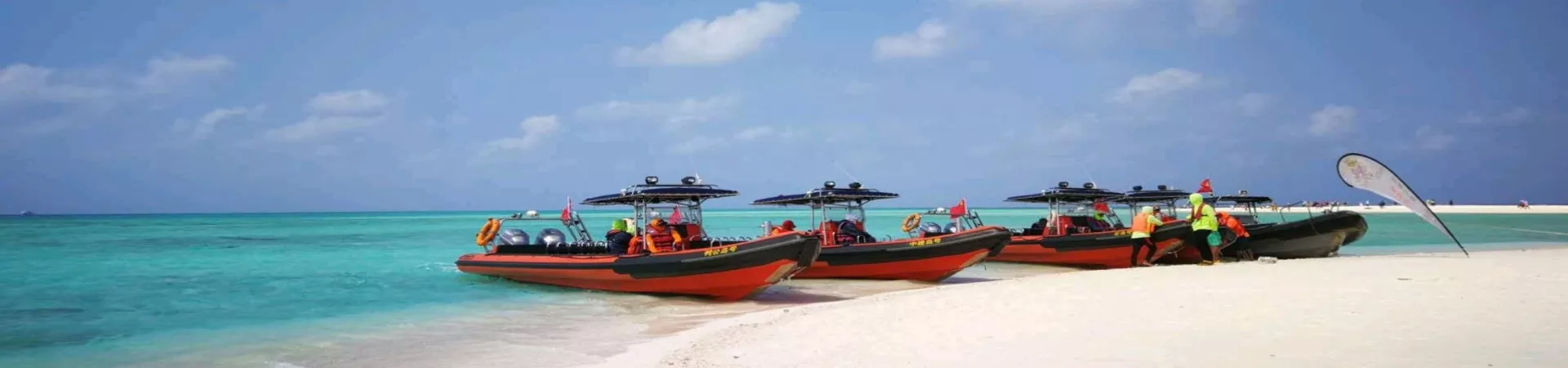
Subtitle: A Journey to the Pristine Paradise of China's Southernmost Archipelago
1. Introduction to the Yongle Islands Nestled in the heart of the South China Sea, the Yongle Islands form a dazzling constellation within the larger Sansha City, China's southernmost and most expansive prefectural city. This archipelago, part of the Xisha (Paracel) Islands, represents not just a geographical marvel but a symbol of pristine natural beauty and ecological significance. For the discerning traveler seeking destinations untouched by mass tourism, the Yongle Islands offer an unparalleled experience of crystal-clear turquoise waters, vibrant coral reefs, and a profound sense of tranquility. Access to this remote paradise is regulated to protect its fragile ecosystem, making a visit here a rare and privileged journey into one of the world's most exquisite marine environments.
2. A Tapestry of Natural Wonders The true allure of the Yongle Islands lies in their breathtaking and well-preserved natural landscapes.
2.1. The Underwater Kingdom Beneath the sun-dappled surface lies a world of staggering biodiversity. The islands are surrounded by some of the most spectacular coral reefs in the region.
- Coral Ecosystems: These reefs are living kaleidoscopes, home to hundreds of species of hard and soft corals forming intricate gardens of shapes and colors.
- Marine Life: The waters teem with life, from schools of tropical fish like parrotfish and angelfish to larger species such as sea turtles, reef sharks, and majestic manta rays. It is a premier destination for snorkeling and diving, offering visibility that often exceeds 30 meters.
- Lagoon Wonders: Several atolls within the Yongle group, such as the iconic Yinyu (Discovery Reef) and Huaguang (Discovery Great Reef), enclose stunning shallow lagoons with sandy bottoms, presenting a surreal and serene seascape of brilliant blues and greens.
2.2. Pristine Terrestrial Landscapes Above water, the islands are equally captivating. Most are low-lying sand cays or coral islands.
- White-Sand Beaches: They are fringed with powdery white sand beaches that contrast dramatically with the deep blue ocean, creating picture-perfect vistas.
- Vegetation: Sparse but resilient vegetation, including coconut palms and scrub bushes, dots the landscape, providing habitat for seabirds.
- Avian Sanctuary: The islands serve as crucial nesting grounds for various seabirds, such as boobies and terns, making them a quiet haven for birdwatching amidst the sounds of waves and wind.
3. Key Islands and Points of Interest While the archipelago consists of numerous features, a few standout destinations define the Yongle experience.
3.1. Jinqing Island As one of the more prominent islands, Jinqing Island is known for its relatively richer vegetation and its role as a base for ecological monitoring and conservation efforts.
3.2. Chenhang Island This island is notable for its historical significance and natural beauty, featuring a small harbor and evidence of past human activity, set against a backdrop of stunning reefs.
3.3. Yinyu (Discovery Reef) and Huaguang (Discovery Great Reef) These are not single islands but large atoll structures. Their expansive lagoons, accessed through narrow channels, are legendary among mariners and ocean enthusiasts. The ring-shaped reefs shelter calm, azure waters inside, while the outer slopes plunge into the deep sea—a dramatic and unforgettable seascape.
4. Practical Information for Visitors Visiting the Yongle Islands requires careful planning due to their remote location and protected status.
4.1. Access and Permits The islands are not open for independent tourism. Visits are typically arranged through authorized travel agencies operating from Sanya or Haikou on Hainan Island, often as part of limited-capacity cruise expeditions.
- Permits: All visitors must obtain special permits issued by the Sansha city government. The travel agency usually handles this complex process.
- Transportation: The primary mode of access is via specialized cruise ships equipped for multi-day journeys. These voyages themselves are part of the adventure, crossing the deep blue waters of the South China Sea.
4.2. Best Time to Visit The optimal period for a visit is between March and June, when the sea is generally calm, skies are clear, and visibility underwater is at its best. The region is susceptible to typhoons from July to October, during which travel is often disrupted.
4.3. Operations and Opening Hours * Opening Schedule: The islands and surrounding waters are accessible year-round, but visitor access is entirely dependent on weather conditions, sea states, and the schedules of authorized cruise operators. There are no fixed "gates" or operating hours for the islands themselves. * Tour Availability: Authorized tours operate on specific itineraries. Prospective travelers must book well in advance and remain flexible, as trips can be postponed or altered based on official advisories or weather forecasts.
4.4. Responsible Tourism Guidelines Given the extreme ecological sensitivity of the Yongle Islands, adhering to strict principles is non-negotiable.
- Environmental Protection: Absolutely no collection of corals, shells, or any natural objects is allowed. All waste, without exception, must be carried back to the mainland.
- Marine Interaction: Touching or standing on coral is prohibited. Use of reef-safe sunscreen is highly recommended.
- Cultural Respect: Any historical sites or markers should be treated with respect. The islands are under Chinese sovereignty, and visitors are expected to observe all relevant laws and regulations.
- Preparation: Visitors should be in good health, prepare for strong sun exposure with protective clothing and hats, and bring necessary motion sickness medication for the sea voyage.