Yongle Islands
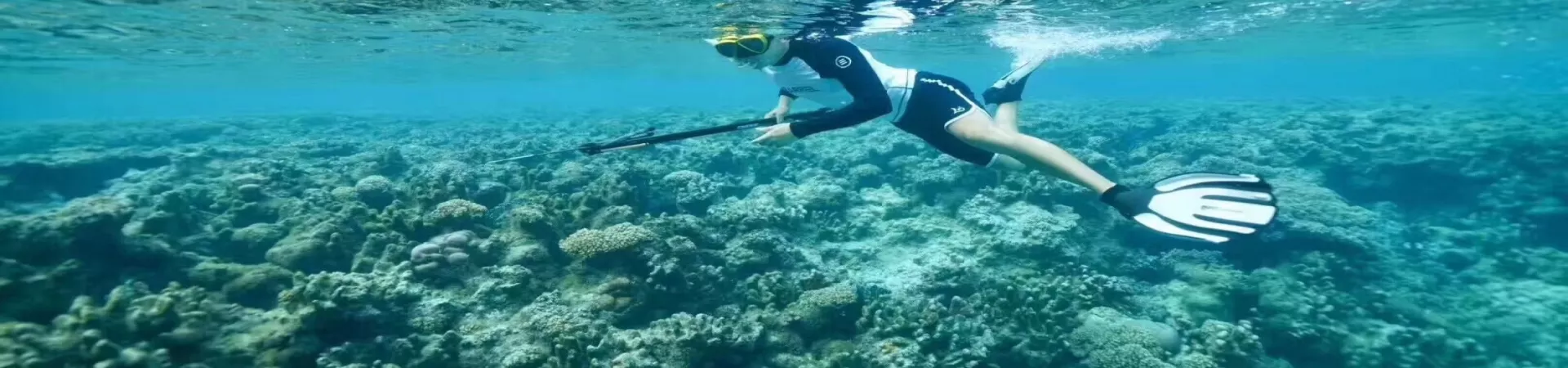
Subtitle: A Guide to the Untouched Paradise of the Yongle Islands, Sansha, China
Introduction: The Western Gems of the South China Sea Nestled in the western expanse of the Xisha Islands (Paracel Islands), approximately 40 nautical miles southwest of Yongxing Island (Woody Island), lies the captivating Yongle Islands. This archipelago, also historically referred to as the Western Islands or the Western Eight Islands, represents one of the most pristine and secluded marine ecosystems under China's administration. Comprising a stunning collection of islands, reefs, and sandbanks—including Ganquan Island, Coral Island, Shenping Bank, Jinqing Island, Chenhang Island, Guangjin Island, Jinyin Island, Zhongjian Island, Huaguang Reef, Panshi Yu, and North Reef—the group is a testament to nature's artistry. The most remarkable geological feature is the Yongle Atoll, a massive, crescent-shaped reef platform that cradles the first six of these islands within its embrace. The naming of the archipelago in 1947, honoring the Yongle era of the Ming Dynasty during which Admiral Zheng He's legendary voyages traversed these waters, adds a layer of profound historical resonance to its natural beauty, linking contemporary sovereignty with centuries of maritime exploration.
Section 1: Planning Your Journey Visiting the Yongle Islands is not a typical tourist excursion; it is an expedition to a remote and protected environment. Access is strictly regulated to preserve the delicate ecosystem and due to the islands' strategic significance. Prospective visitors must approach the trip with careful planning and patience, understanding that logistics prioritize official and research purposes over conventional tourism.
1.1. Transportation: The Voyage to Seclusion Reaching the Yongle Islands typically involves a two-stage journey. The primary gateway is through Yongxing Island, the administrative center of Sansha City.
- Primary Route: The most common access is via the supply ship Qiongsha No. 2, which departs from Qinglan Port in Wenchang, Hainan Province. This vessel serves as a critical lifeline, transporting supplies and authorized personnel to Yongxing Island. The voyage takes approximately 15 hours across the open sea.
- Alternative Route: Occasionally, other supply vessels may depart from the Yulin Naval Port in Sanya. Schedules for these ships are irregular and not publicly advertised for tourist travel.
- The Essential Permit: A non-negotiable requirement for boarding any supply ship to Yongxing Island is the Island Entry Permit. This permit is not available for independent application by individual tourists. All requests must be submitted through and approved by the Xisha Working Committee at least one week in advance. Without this official documentation, boarding will be denied. It is crucial to note that independent travel or attempting to hire private boats to the islands is strictly prohibited and unsafe.
1.2. Accessibility and Time Considerations * Open Hours: The islands themselves, as natural formations, are accessible 24 hours a day, year-round. However, this is theoretical for visitors, as actual access is entirely contingent upon having secured the proper permits and transportation. * Recommended Duration: Given the complexity of travel and the sheer distance involved, a visit to the broader Xisha region, with Yongxing Island as a base, requires a significant time investment. Allocating 1-3 days minimum is advisable to account for the long round-trip sea journey and potential weather delays. A stay shorter than this would be overwhelmingly dominated by transit time. Day trips to the specific islands within the Yongle group from Yongxing Island are possible only through specially arranged local boat transfers, subject to weather and military authorization.
Section 2: The Natural and Historical Tapestry The true allure of the Yongle Islands lies in their extraordinary environment and historical significance, which reward the intrepid traveler with unparalleled experiences.
2.1. The Yongle Atoll: A Marine Sanctuary The heart of the archipelago is the Yongle Atoll. This nearly circular coral atoll, with its shallow, turquoise lagoon protected by the outer reef rim, creates an ideal habitat for marine life. The islands situated on this atoll, such as Coral Island and Jinqing Island, often feature stunning white-sand beaches and are fringed by vibrant coral reefs.
2.2. Key Islands and Features * Ganquan Island: Known for its fresh water well, a rare and precious resource on coral islands, which historically made it a crucial stop for sailors. * Coral Island: Living up to its name, the waters surrounding this island are a diver's and snorkeler's paradise, teeming with hard and soft corals. * Huaguang Reef & North Reef: These submerged reefs are significant navigational markers and are often sites of rich fishing grounds and historical shipwrecks, silently guarding stories of ancient maritime routes.
2.3. A Legacy of Maritime History The act of naming—Yongle Islands to the west and Xuande Islands to the east of the Xisha group—directly commemorates the Voyages of Zheng He in the early 15th century. This formal designation in 1947 consciously rooted China's modern connection to the South China Sea within a framework of historical discovery and utilization. The parallel naming of a Zheng He Reef in the Nansha (Spratly) Islands further reinforces this narrative, making a visit to these waters a journey through living history.
Section 3: Practical Considerations and Ethical Travel 3.1. Permit Application Process Success hinges on early and formal communication. Interested parties, typically through authorized travel agencies or academic institutions, must liaise with the Sansha Municipal Government or the Xisha Working Committee well in advance. The process involves detailed personal information, travel purpose, and itinerary for strict security review. Spontaneous travel is impossible.
3.2. On-Island Conduct and Sustainability Visitors granted access bear a responsibility to minimize their impact. * Environmental Protection: The coral ecosystems are extremely fragile. Touching, standing on, or collecting coral is strictly forbidden. All trash, including biodegradable items, must be carried back to the mainland. * Respectful Observation: Many islands have small communities, research stations, or sovereign markers. Always follow guides' instructions, respect all signage, and avoid restricted areas. * Self-Sufficiency: While Yongxing Island has basic facilities, trips to the outer Yongle Islands require bringing all necessary supplies, including ample sun protection, food, and water.
Section 4: The Unforgettable Experience For those who navigate the logistical challenges, the reward is profound. Imagine standing on a beach of powdered coral sand where footprints are rare, gazing into waters of impossible clarity revealing gardens of coral, and reflecting on the same seascape viewed by ancient Chinese navigators. The Yongle Islands offer not just a escape, but a connection to a raw, powerful natural world and a deep, enduring historical narrative, making the journey an unforgettable privilege rather than a simple vacation.