Yinyu Island
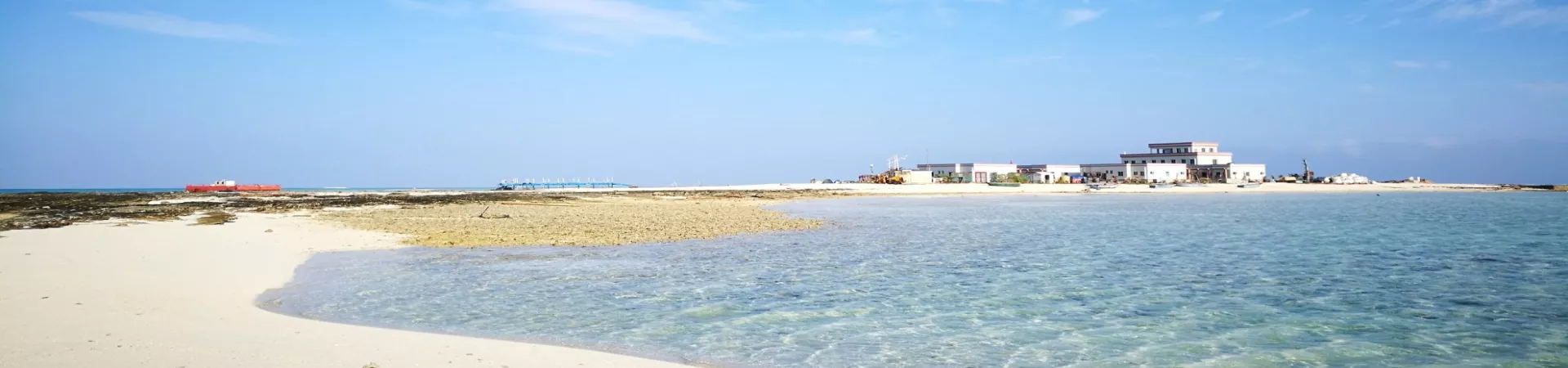
Subtitle: A Glimpse into the Pristine Beauty and Rich History of China's Southern Frontier
1. Introduction to Yin Yu Island Nestled within the azure embrace of the South China Sea, Yin Yu Island stands as a serene and captivating jewel among the Xisha Islands, also known as the Paracel Islands. This tiny sand cay, part of the Yongle Archipelago in the northern sector, offers a profound experience of untouched natural beauty and a silent narrative of geographical history. Its location, approximately 1 nautical mile northeast of Yagong Island and 4.5 nautical miles southwest of Quanfu Island, places it in a picturesque marine landscape. Covering a mere 0.01 square kilometers and rising just over 2 meters above sea level, Yin Yu is a testament to the delicate and dynamic forces of nature that shape our planet's most remote corners.
2. The Landscape and Natural Phenomenon 2.1. A Delicate Sand Cay The island itself is a classic example of a coral sand cay, formed over millennia by the accumulation of broken coral and shell fragments on a shallow reef platform. The pristine white sand, contrasted against the stunning gradient blues of the surrounding sea, creates a scene of breathtaking purity. The low elevation offers a unique, intimate perspective with the ocean, making visitors feel intimately connected to the vast seascape.
2.2. The Mysterious "Dragon Pit" One of the most intriguing natural features on Yin Yu's reef flat is a distinctive deep hole known locally as the "Long Keng" or "Dragon Pit." This geological formation presents a striking visual contrast: its waters appear in a deep, mesmerizing blue-black hue, noticeably cooler than the surrounding warm, shallow seas. This phenomenon sparks the imagination and adds a layer of mystery to the island's character. While scientific explanations may point to greater depth or different submarine spring sources, the pit remains a focal point for contemplation and wonder, embodying the hidden depths of the marine environment.
3. Historical Designation and Nomenclature The island's history is reflected in the evolution of its name, charting a course through modern Chinese cartographic history. Initially recorded and published as "Observation Bank" (Guancha Tan) in 1935, the name likely referenced its role or appearance for early maritime observers. In 1947, it was re-designated as "Senping Bank" (Senping Tan). The island finally received its current standard name, "Yin Yu" (Silver Islet), in 1983. This progression of names not only standardizes its identity on maps but also subtly hints at the broader historical context of exploration and administration in the South China Sea.
4. Practical Visitor Information 4.1. Suggested Duration and Experience For visitors, a trip to Yin Yu Island is typically part of a broader expedition to the Xisha Islands. It is recommended to allocate 3 hours or more to fully appreciate this unique destination. This time allows for a comprehensive experience: walking along the soft sand, observing the rich intertidal and bird life, contemplating the "Dragon Pit," and simply absorbing the profound sense of isolation and tranquility. The visit is less about structured activities and more about immersive connection with a pristine environment.
4.2. Admission and Opening Hours 4.2.1. Ticket Information: Official admission policies for Yin Yu Island can be subject to specific regulations governing travel to the Xisha Islands. Generally, access is coordinated through authorized tour operators. Any mention of ticket prices should be considered for reference only. It is essential for visitors to verify all current fees, requirements, and booking procedures directly with official channels or licensed operators prior to planning their journey.
4.2.2. Operating Schedule: The island itself is accessible 24 hours a day, throughout the year. However, this "open all day" status is theoretical within the practical constraints of maritime travel and weather conditions. Actual visitor access is entirely dependent on sea conditions, the schedules of liveaboard boats or authorized vessels, and adherence to local environmental protection and tourism management guidelines. Independent travel is not permitted; all visits are organized through approved means.
5. Ecological Significance and Conservation As a fragile sand cay ecosystem, Yin Yu Island is part of a sensitive marine environment. The surrounding waters are likely rich in biodiversity, featuring coral communities and various marine species. The island may also serve as a resting spot for seabirds. This ecological fragility underscores the importance of responsible tourism. Visitors must adhere strictly to principles of leaving no trace, avoiding any disturbance to wildlife, refraining from collecting coral or shells, and ensuring all waste is managed properly. The preservation of its pristine state is paramount for future generations.
In essence, Yin Yu Island is more than a geographical point; it is an experience of serene beauty, a lesson in natural history, and a reminder of the delicate balance within remote ecosystems. Its white sands, mysterious blue pit, and quiet history together form a compelling destination for those seeking to witness one of China's most pristine and carefully preserved maritime frontiers.