Yagong Island
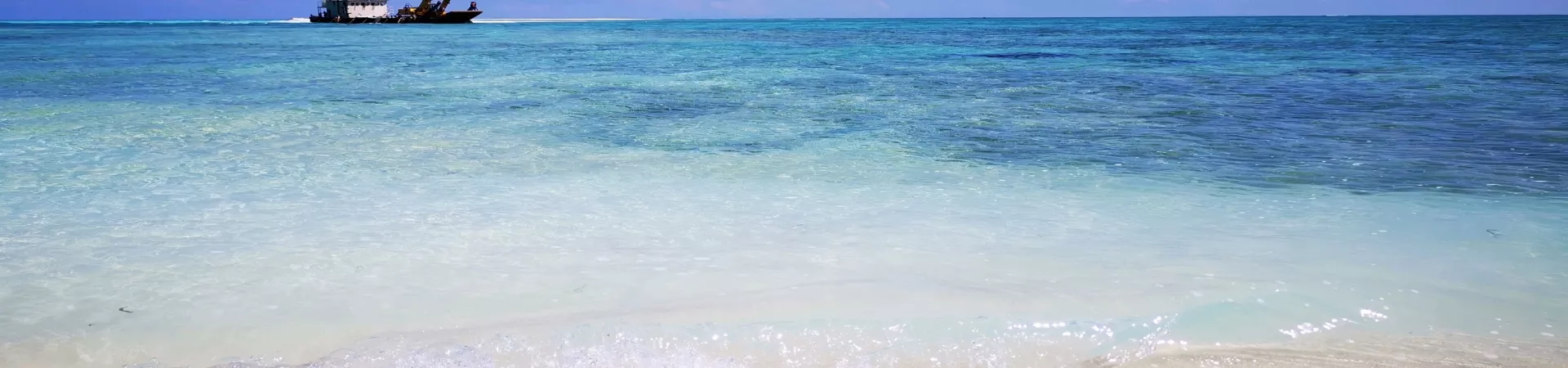
Subtitle: A Unique Coral Island in the Xisha Archipelago
1. Introduction to Yagong Island Nestled within the Yongle Islands of the Xisha (Paracel) Islands archipelago, Yagong Island is a distinctive and geologically fascinating coral formation under the jurisdiction of Sansha City, China. Located approximately one nautical mile southeast of Quanfu Island, it occupies a strategic position on the passage known as "Yinyu Men," which lies between the reef platforms of Quanfu Island and Yinyu. Unlike the typical sandy cays found elsewhere in the South China Sea, Yagong Island presents a unique landscape, primarily composed of coral rubble and rocks. This composition, along with its dynamic environment, makes it a compelling destination for visitors interested in marine geography and pristine insular ecosystems.
2. Geological Formation and Landscape 2.1. A Coral Rock Island Yagong Island is developed upon an isolated patch reef, or "point reef," rising directly from deep waters. This type of reef structure typically forms independently within atoll lagoons. The island's location in the Yinyu Men passage is key to its existence. The strong tidal currents and significant wave action in this channel transport abundant nutrients and plankton from both the open ocean and the lagoon, creating ideal conditions for vigorous coral growth. Over time, individual coral heads expanded and merged, eventually forming the solid substrate that constitutes the island today.
2.2. Shape and Features The island exhibits a distinctive crescent shape, a morphology that clearly reflects the predominant influence of northeastern winds and currents on the accretion and erosion processes of the coral structure. At the heart of the island lies a small, shallow lagoon that connects to the sea. This tidal pool dynamically changes with the ebb and flow of the ocean, filling and draining through the porous coral rock, creating a constantly evolving miniature marine habitat within the island itself.
2.3. The Origin of Its Name The island's name, "Yagong," meaning "Drake" or "Male Duck" in Chinese, is derived from its aerial silhouette, which local fishermen thought resembled the shape of a duck. This colloquial name, "Yagong Zhi," has been used for generations by Hainan's fishing communities who have navigated these waters.
3. Practical Visitor Information 3.1. Getting There: The Journey to the Xisha Islands Access to Yagong Island, like all islands in the Xisha group, is regulated to protect the fragile environment. There is no direct commercial tourist transport. The primary access point is via supply ships departing from Qinglan Port in Wenchang, Hainan. The main vessel is the Qiongsha No. 2. Occasionally, supply ships may also depart from the Yulin Naval Port in Sanya.
- Destination and Duration: These ships primarily travel to Yongxing Island, the administrative center, a voyage that takes approximately 15 hours.
- Essential Requirement – Island Permit: It is mandatory for all non-resident passengers to obtain an Island Entry Permit issued by the Xisha Working Committee. This permit must be secured in advance, typically at least one week prior to the planned departure. Without this permit, you will not be allowed to board the supply ship.
- Important Note: Visitors usually explore Yagong Island as part of an organized day trip from Yongxing Island or via authorized tour operators using smaller boats. Independent travel to the island is not feasible.
3.2. Admission and Opening Hours * Admission Fee: There is no entrance ticket fee for visiting Yagong Island itself. * Open Hours: The island is accessible all day, every day, year-round. However, actual visitation is entirely dependent on weather conditions, sea state, and the schedules of authorized tour operators. Activities are typically conducted during daylight hours for safety and ecological preservation reasons.
4. The Visitor Experience and Ecological Significance A visit to Yagong Island offers a starkly different experience from tropical beach resorts. The terrain underfoot is rugged coral rock, not soft sand. The sound of waves crashing against the rocky shore is constant. Exploring the island involves observing the intricate shapes and textures of the coral fragments, witnessing the tidal lagoon's changing water levels, and looking out into the crystal-clear deep blue waters that abruptly surround the island. The island serves as a vital habitat for seabirds and a resting point for marine life.
Due to its extreme fragility and ecological importance, visitors must adhere strictly to "leave no trace" principles. Removing any coral, shells, or rocks is strictly prohibited, as is disturbing any wildlife. The focus of a visit is on quiet appreciation, photography, and understanding the powerful natural forces that created and continue to shape this unique island. It stands as a remarkable testament to the dynamic geological processes of coral reef development in the South China Sea.