North Island, the Xisha Islands
A Hidden Gem in the South China Sea: An In-Depth Guide to Beidao, Xisha Islands
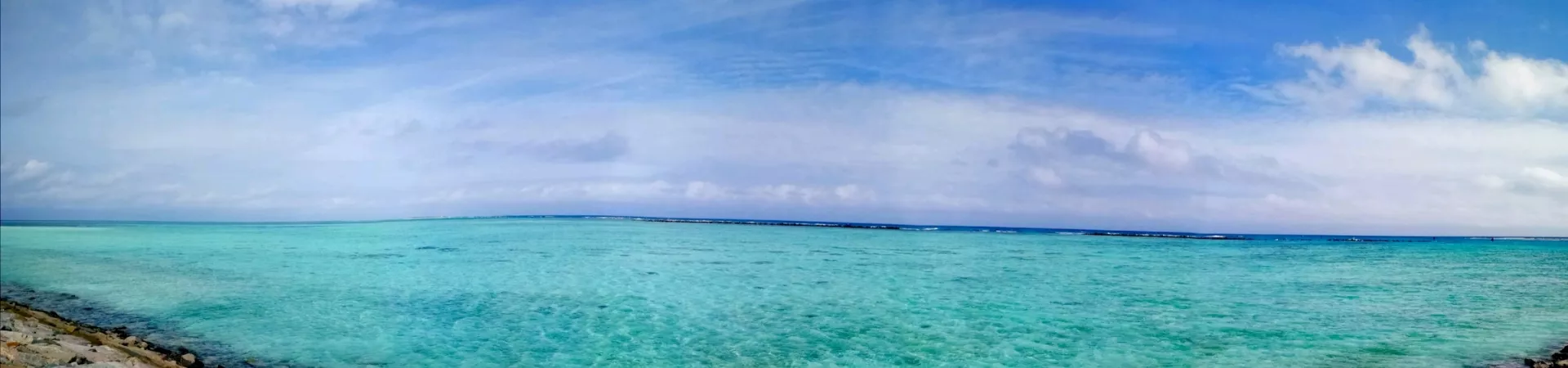
Nestled within the pristine archipelago of the Xisha (Paracel) Islands, Beidao, also poetically known as Long Island, stands as a serene and captivating testament to nature's artistry and human resilience. This elongated sliver of land, administratively part of Sansha City, China, offers a unique glimpse into a remote tropical ecosystem and a centuries-old maritime culture. Far from the bustling mainland, it presents an unparalleled opportunity for adventure and discovery for the intrepid traveler.
Geography and Natural Landscape
Formation and Topography Beidao is a classic coral island, characterized by its distinctive elongated shape. Stretching approximately 1,500 meters in length and reaching a maximum width of 350 meters, its local name "Long Island" (长峙, where "峙" is a Hainanese term for "island") is a perfectly apt description. The island's most prominent geographical feature is its encircling sand dike, which rises 3 to 4 meters above the central plain. This natural barrier protects the island's interior and shapes its unique ecology.
The Central Lagoon Basin Enclosed within the protective ring of the sand dike lies a vast, flat central plain. This area constitutes nearly half of the island's total landmass and is formed from a dried-up lagoon. The basin's terrain, mostly hard-packed sand and soil, presents a stark yet beautiful contrast to the surrounding verdant dunes and the brilliant blue sea. This unique interior landscape is a key part of the island's ecological character.
Ecology and Environment
Flora and Fauna Despite its remote location and challenging conditions, Beidao supports a resilient ecosystem. The island is densely covered with low-lying tropical shrubs and hardy grasses that have adapted to the high-salinity environment and strong sea winds. This lush green carpet, anchored by the sandy dunes, provides crucial habitat for various seabirds and insects. The surrounding crystal-clear waters and coral reefs are teeming with marine life, making the area a spectacular site for observation.
Environmental Conditions A significant challenge for sustained habitation on Beidao is the absence of a natural freshwater source. The island lacks rivers, streams, or permanent freshwater lakes. Rainfall collects in temporary pools, but reliable fresh water is scarce. This fundamental condition has historically dictated the patterns of human activity on the island.
Human Heritage and Cultural Significance
Historical Presence and "Lonely Soul Temple" Beidao bears subtle but enduring marks of human presence. For generations, Chinese fishermen from Hainan have utilized the island as a seasonal shelter and a strategic outpost during fishing expeditions in the rich waters of the South China Sea. They traditionally constructed temporary shelters from local materials. A poignant cultural landmark on the island is a small, solitary temple, often referred to by fishermen as the "Lonely Soul Temple." Such structures are common on islands along traditional maritime routes, serving as places for seafarers to pay respects and seek protection for safe voyages, reflecting the deep spiritual connection between the fishermen and the vast ocean.
Modern Visits and Infrastructure Today, the island sees occasional visits by fishermen, researchers, and authorized tour groups. Basic infrastructure is minimal and functional, with a few simple structures and man-made ponds that collect rainwater. The presence of a small concrete jetty facilitates landing. The experience of being on Beidao is one of profound remoteness, offering a rare chance to witness a landscape where human activity exists in a delicate, seasonal balance with a powerful natural environment.
Visitor Information
Admission Details Access to Beidao and the Xisha Islands is highly regulated to protect the fragile ecosystem and due to its strategic location. It is not a conventional publicly open tourist destination. Visits are typically organized through specific authorized travel agencies or are part of official research expeditions. There is no standard public admission ticket; all arrangements, including necessary permits, must be secured in advance through official channels. Prospective visitors must consult directly with authorized Sansha tourism operators or relevant authorities for the most current details on eligibility, application procedures, and associated costs.
Operating Hours As a remote island with no gated facilities, Beidao itself does not have designated operating hours. The island is accessible by boat, and visits can theoretically occur at any time, entirely dependent on weather conditions, sea state, and the schedules of transportation vessels. It is crucial to note that travel to the area is only possible during favorable weather windows, typically between March and June. All travel plans are subject to change based on maritime safety regulations and immediate weather forecasts.