Passu Keah
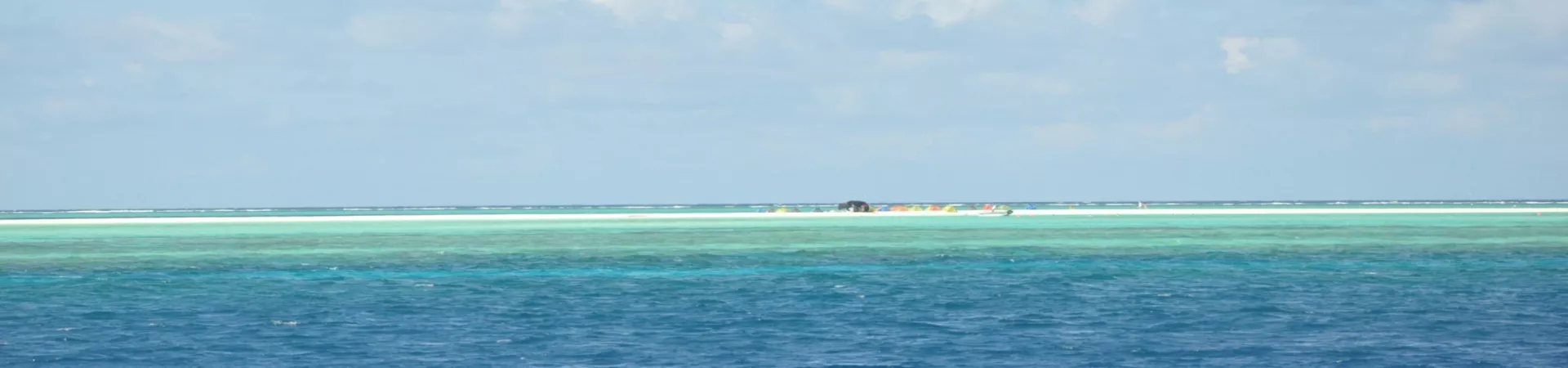
Pan Shi Yu (Rocky Islet): A Secluded Coral Jewel in the Paracel Islands
Nestled within the Yongle archipelago of China's Xisha Islands (Paracel Islands), Pan Shi Yu, aptly named "Rocky Islet," emerges as a pristine and secluded marine wonder. Its location, approximately 7 nautical miles south of Huaguang Reef and 30.5 nautical miles northeast of Zhongjian Island, places it in the heart of one of the South China Sea's most ecologically significant regions. This remote atoll offers a stark, beautiful, and dynamic natural environment, representative of the fragile and majestic coral ecosystems that define this part of the world.
A Geological and Ecological Profile
Formation and Structure: Pan Shi Yu is a classic coral atoll, a geological masterpiece formed over millennia by the growth and subsequent subsidence of coral reefs. Its defining feature is a nearly continuous elliptical reef platform, measuring roughly 6.8 kilometers in length and 3.5 kilometers in width. This platform encircles a central, enclosed lagoon—a calm, shallow body of water with stunning aquamarine hues that contrast dramatically with the deep blue of the open sea.
The Central Sand Cay: The most distinctive terrestrial feature of the atoll is a solitary sand cay situated on the northwestern rim of the reef platform. This cay, covering an area of approximately 0.4 square kilometers, is the primary "land" component of Pan Shi Yu. Composed of white coral sand and fragments, it is a transient landscape, shaped and reshaped by wind and wave.
- A Dynamic and Transient Landscape: It is crucial for visitors to understand the dynamic nature of this sand cay. During periods of calm weather, it presents a picture-postcard scene of a pristine tropical sandbar. However, its low elevation makes it extremely vulnerable to the powerful forces of nature. During typhoons or especially high seasonal tides, the entire cay can be partially or completely submerged by seawater. This cyclical inundation is a natural process that constantly redefines its shape and composition, offering a powerful reminder of the ocean's dominance in this environment.
The Marine Ecosystem: A Underwater Sanctuary
The true splendor of Pan Shi Yu lies beneath the water's surface. The atoll's structure supports a complex and vibrant marine ecosystem.
The Reef Platform: The expansive limestone reef platform, the foundation of the atoll, is a thriving metropolis of marine life. It is adorned with a diverse array of hard and soft corals, forming intricate gardens that provide shelter, breeding grounds, and food for countless species.
Biodiversity Hotspot: The waters surrounding the atoll and within its lagoon are rich in biodiversity. Schools of colorful reef fish, such as parrotfish, angelfish, and clownfish, dart among the coral formations. The area may also serve as a habitat for larger marine creatures, including sea turtles (likely green and hawksbill turtles), which use remote cays for nesting, and various species of reef sharks and rays. The nutrient-rich waters also attract pelagic fish and marine mammals, making every glance into the water a potential discovery.
The Enclosed Lagoon: The central lagoon, protected from the strong currents of the open ocean by the surrounding reef, offers a serene and relatively safe environment for snorkeling and observing marine life. Its calm, clear waters are ideal for appreciating the subtler details of the underwater world.
Visitor Essentials and Considerations
Due to its remote and ecologically sensitive nature, a visit to Pan Shi Yu is not a typical tourist excursion but an expedition for the intrepid traveler and nature enthusiast.
Access and Logistics: There are no regular commercial tours or public transportation to Pan Shi Yu. Access is typically limited to organized research expeditions, authorized eco-tourism charters (which are rare and highly regulated), or private vessels with the necessary permits and navigational expertise for remote atoll navigation. The journey itself across the open South China Sea is part of the adventure.
Preservation Status and Guidelines: As part of the Sansha city administration, Pan Shi Yu falls within a region where environmental protection is paramount. Visitors must adhere to strict "leave no trace" principles. This includes absolutely no collection of coral, shells, or any biological specimens, no littering of any kind, and utmost care to avoid any physical damage to the reef structure, whether from boat anchors or fins. The fragile sand cay and its potential as a turtle nesting site demand particular respect and distance during critical periods.
Practicalities for an Expedition:
- Opening Hours: The atoll itself is accessible 24 hours a day, year-round, as it is a natural feature without man-made gates or operating hours. However, this is purely a logistical note; visitation is entirely dependent on weather, sea conditions, and obtaining prior authorization.
- Essential Preparations: All supplies, including fresh water, food, fuel, and shelter, must be entirely self-sufficient. There are zero facilities on the sand cay. Comprehensive safety and communication equipment is non-negotiable, given the distance from mainland support. Weather windows are narrow, and trips must be planned around the predictable typhoon season (generally June to November), during which visits are impossible and highly dangerous.
An Experience of Raw Nature
A journey to Pan Shi Yu is an immersion into an untamed maritime frontier. It is an opportunity to witness the powerful geological processes of atoll formation firsthand and to observe a rich marine ecosystem operating far from human influence. The sight of the solitary sand cay, at one moment a brilliant white against azure waters and at another being reclaimed by the surf, is a humbling and unforgettable spectacle. It appeals not to those seeking luxury or convenience, but to those who find profound beauty in the raw, powerful, and pristine forces of the natural world. It stands as a silent sentinel in the South China Sea, a testament to the beauty and fragility of our planet's coral realms.