Jinqing Island
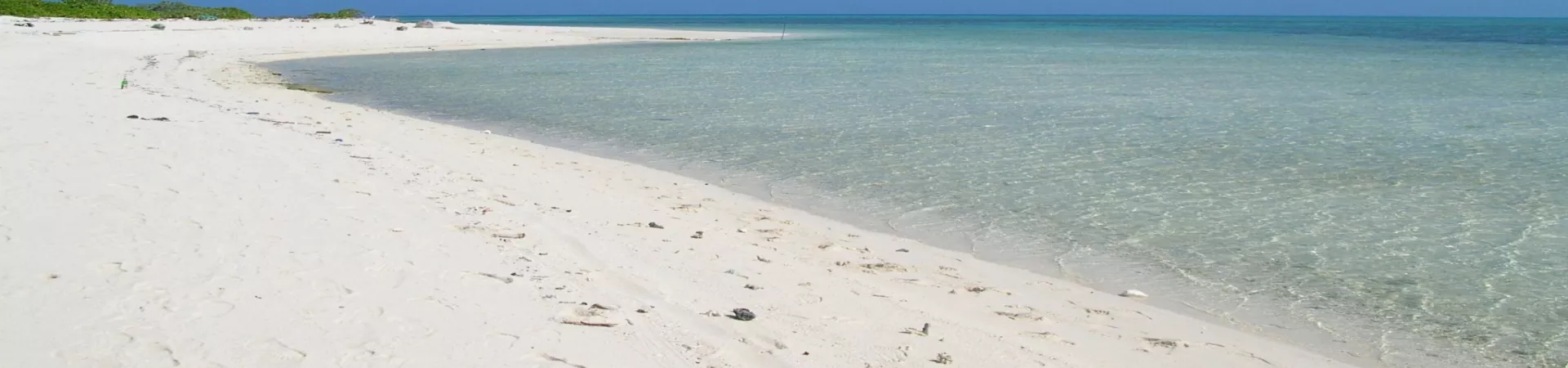
Subheading: A Hidden Gem in the South China Sea: Discovering Jinqing Island
1. Introduction to Jinqing Island Nestled within the pristine waters of the South China Sea, Jinqing Island stands as the southernmost island on the northeastern crescent-shaped reef of the Xisha Islands, also known as the Paracel Islands. This remote and captivating island is part of China's Sansha City, specifically under the jurisdiction of the Yongle Islands Working Committee and Management Committee, which are headquartered on the island itself. Jinqing Island represents not only a stunning natural sanctuary but also a symbol of administrative presence and environmental stewardship in this vital maritime region. Its isolation has preserved a unique ecological and geological character, offering intrepid travelers a rare glimpse into an untouched tropical paradise.
2. Geographical and Geological Profile 2.1. Location and Formation Jinqing Island's formation is a fascinating result of natural marine processes. The island is elliptical, characterized by a beach rock development that encircles its shores. This geological feature has created natural, low-lying sand barriers or dunes, known as sand堤 (shādī), which rise approximately 3 to 5 meters above sea level. These formations act as natural defenses against wave action. A distinctive geographical feature is the sandbar extending northeast from the island's northeastern coast, a dynamic landform shaped by currents and winds, adding to the island's unique coastal morphology.
2.2. Terrain and Soil Composition The interior terrain of Jinqing Island presents a challenging yet intriguing landscape. The soil is primarily composed of phosphatic soil, historically enriched by seabird guano deposits over millennia. This nutrient-rich soil supports the island's dense vegetation but also creates a soft, sometimes difficult walking surface away from established paths. The combination of thick plant growth and this unique soil composition defines the island's rugged interior character.
3. Ecological Environment and Vegetation 3.1. The Dense Argusia Argentea Forest Dominating the island's landscape is a lush, nearly impenetrable thicket of Argusia argentea, commonly known as Sea Lettuce Tree or "羊角树" (yángjiǎo shù). This hardy, salt-tolerant shrub forms dense, low-canopy forests that cover significant portions of the island. The sprawling branches and tightly packed growth make off-trail exploration exceptionally challenging, effectively creating a natural sanctuary for wildlife and preserving the island's core ecosystems from human disturbance.
3.2. Habitat and Biodiversity This dense vegetative cover provides crucial habitat for various seabirds and is integral to the island's ecological balance. The guano from these birds continues to enrich the soil, creating a self-sustaining cycle. The surrounding coral reefs and clear waters are teeming with marine life, making the area a significant ecological zone within the broader South China Sea marine biodiversity hotspot.
4. Practical Visitor Information 4.1. Visiting Duration and Accessibility Due to its remote location and protected status, access to Jinqing Island is highly regulated. Visitors typically arrive as part of organized, authorized tours or research expeditions from Sanya or via official supply vessels. Once on the island, a comprehensive visit, including a guided walk along its perimeter, exploration of the accessible beach areas, and appreciation of its unique ecology, generally requires between 1 to 3 hours. The dense interior forests are not suitable for casual trekking.
4.2. Operating Hours and Best Practices The island itself is accessible 24 hours a day, all year round in principle, given its natural state. However, practical access is entirely dependent on weather conditions, sea states, and official permissions. There are no commercial facilities on the island. Visitors must adhere strictly to guidelines set by the Sansha authorities, which prioritize environmental protection. This includes carrying out all waste, not disturbing vegetation or wildlife, and staying within designated areas to prevent damage to the fragile ecosystem and the sensitive guano soil.
4.3. Key Considerations for Travelers Prospective visitors should be prepared for a rugged, non-commercial experience. Essential preparations include bringing ample sun protection (sunscreen, hats, long sleeves), sufficient drinking water, and sturdy footwear suitable for sandy and potentially muddy terrain. As there is no infrastructure for tourists, self-sufficiency is paramount. The visit is less about typical beach resort activities and more about witnessing a remote, administratively significant, and ecologically unique part of China's maritime territory. Respect for the environment and the island's role as an administrative center is of utmost importance. All travel plans must be made well in advance through official channels to ensure compliance with regulations aimed at preserving this delicate and strategic island.