Coral Island
A Hidden Gem in the South China Sea: An In-Depth Guide to Coral Island, Sansha
Subtitle: Unveiling the Natural History and Human Stories of a Remote Paradise
Nestled within the pristine waters of the South China Sea, Coral Island (珊瑚岛, Shān Hú Dǎo) stands as a captivating and historically rich member of the Yongle Islands in Sansha City. Far from the bustling mainland, this elliptical island offers a unique blend of untouched natural beauty, intriguing geological history, and silent testimony to centuries of Chinese maritime activity. Measuring approximately 900 meters in length and 450 meters in width, its modest footprint, crowned at a highest point of roughly 9.1 meters, belies the significant stories etched into its soil and shores.
I. A Landscape Shaped by Nature and Time The island's geography presents a study in serene contrast. Its coastline is fringed by soft, inviting beaches that give way to hardy, wind-swept shrubs. This vegetation thrives atop one of the island's most distinctive features: a thick layer of guano. As one of the Yongle Islands' richest phosphate reserves, this accumulated bird guano is not merely an economic resource but a historical record. Its significant presence is a clear indicator of the island's past ecological wealth, suggesting that lush, dense forests once covered the terrain, providing a thriving habitat for vast seabird colonies.
A. Coastal Features and Hydrology The island's outline is softened by several natural and man-made entry points. A serene water湾 graces the southern shore, offering a calm anchorage against the vast ocean. To the east, the remnants of an old码头 stand as a silent sentinel, hinting at the island's role in regional navigation and fishing. The island's lifeblood, its fresh water, comes from wells dug by past inhabitants. A functioning well in the central part of the island, nestled beneficially beside planted coconut trees, is renowned for its sweet and clear, drinkable water. In stark contrast, a well located in the western section serves as a cautionary tale of ecosystem interaction; its water has been contaminated by the pervasive guano deposits, rendering it foul-smelling and undrinkable.
II. The Human Imprint: From Ancient Voyagers to Modern Stewards Coral Island's history is deeply intertwined with the legacy of Chinese fishermen and explorers from the southern coasts, particularly Hainan. Long before modern maps charted these waters, the island was known and utilized by these maritime communities.
A. Archaeological Testaments The most tangible evidence of this long-standing connection is scattered across the island in the form of ceramic artifacts. Discoveries of Qing Dynasty porcelain, including common household items like celadon-glazed bowls and cups, are not rare. These fragments are not the remnants of grand colonial ventures but of everyday life, suggesting the island served as a seasonal shelter, a fishing outpost, or a waypoint for traders and fishermen navigating the treacherous South China Sea. Each shard is a silent whisper from the past, speaking of meals shared, storms weathered, and journeys paused.
B. Spiritual Heritage and the Fishermen's Shrine The spiritual dimension of the island's human story is embodied in a small, poignant temple at its southwestern tip. Constructed in 1934 by fishermen from Tanmen, Zhuhai, this humble structure houses a stone deity statue. This shrine is far more than a religious site; it is a monument to resilience, faith, and community. It represents the deep psychological and cultural ties these seafarers held with the islands, seeking protection and blessing for their perilous voyages. It stands as a powerful, physical claim to heritage and continuous stewardship, maintained by generations of Chinese fishermen.
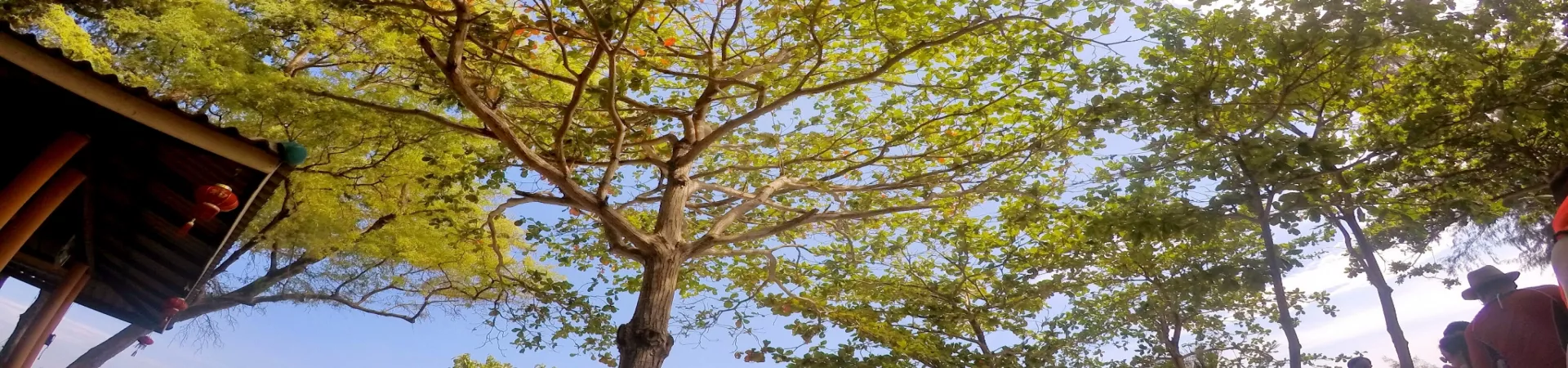
III. The Modern Ecological Tapestry The island's current flora is a mosaic of endemic growth and human introduction. The native shrubs that stabilize the sandy beaches and guano layers are complemented by deliberately planted vegetation. Groves of casuarina trees, with their needle-like foliage, and iconic coconut palms sway in the ocean breeze, adding to the tropical aesthetic and providing shade. This blend creates a unique ecosystem where natural processes and human influence coexist, supporting birdlife and preserving the island's fragile soil.
IV. Practical Information for the Intrepid Visitor For those fortunate enough to visit this remote part of Sansha, accessibility is typically arranged through authorized charter services or official tours from Hainan, as the island lacks standard commercial tourist infrastructure.
**Opening Hours:** The island itself is accessible 24 hours a day, year-round. However, visitation is highly dependent on weather conditions, sea states, and official permissions. There are no gates or operating hours in the conventional sense, but planning must revolve around logistical and regulatory frameworks rather than a fixed schedule.

A journey to Coral Island is less a typical holiday and more an expedition into a layered narrative. It is a place to contemplate the slow geological processes that built its foundations, the historical rhythms of ancient maritime routes, and the enduring spirit of the fishermen who revered it. Visitors walk on ground enriched by natural history, amidst echoes of daily life from centuries past, all under the watchful gaze of a stone deity guarding the southern shore. It is a profound reminder of the deep and enduring connections between humanity and the sea.