Taining Mingqing Garden
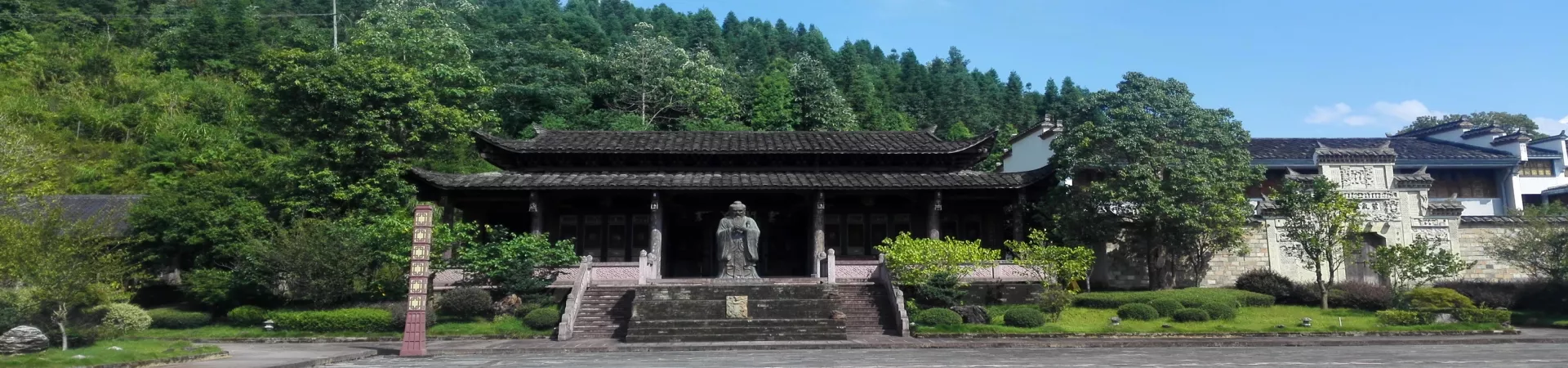
Subtitle: A Living Museum of Ming and Qing Dynasty Architecture and Woodcarving Art in the Heart of Taining's Danxia Landscape
Introduction: A Private Vision Preserved in a Public Space
Nestled within the breathtaking, UNESCO-listed natural heritage site of Taining County in Fujian Province, the Mingqing Garden (Ming Qing Yuan) stands as a remarkable testament to one individual's passion for preserving China's architectural and artistic legacy. Far more than a conventional museum, it is a meticulously curated, privately-owned cultural park dedicated to the rescue, restoration, and display of exquisite ancient structures and woodcarving masterpieces from the Ming (1368-1644) and Qing (1644-1912) dynasties. Established as a cornerstone of the provincial Danxia Cultural Industry Park in 2012 and elevated to the status of a National AAAA-level tourist attraction in November 2014, the garden represents a unique and profound synthesis of cultural collection, historical preservation, and landscape integration. It serves not only as an extension of Taining's own ancient town's architectural narrative but also as a creative fusion where classical Chinese garden design meets modern cultural tourism, embedding profound historical artifacts seamlessly into the region's stunning natural canvas.
Section 1: The Core Collection: Architecture and Artistry Through the Ages
1.1. The Rescued Legacy: Relocated Architectural Treasures The heart of Mingqing Garden lies in its extraordinary collection of original Ming and Qing dynasty buildings. These are not replicas but authentic structures—including ancestral halls, residential complexes, opera stages, and ornate gateways—that were carefully dismantled from their original, often at-risk locations across China. Each component was meticulously numbered, transported, and then painstakingly reassembled on-site by master craftsmen using traditional techniques. This ambitious process of relocation saves these architectural gems from decay or destruction, offering visitors a rare opportunity to walk through and physically experience the spatial harmony, intricate joinery, and dignified aesthetics of bygone eras in a single, accessible location.
1.2. The Soul of Detail: Exquisite Woodcarving Masterpieces Complementing the grand architectural framework is an unparalleled collection of ancient woodcarvings, which form the artistic soul of the garden. The collection showcases the pinnacle of Chinese woodworking art, featuring items ranging from massive, elaborately carved screen walls and ancestral altar sets to delicate window lattices, furniture, and decorative panels. The carvings depict a rich tapestry of motifs: mythological scenes symbolizing good fortune, historical narratives promoting loyalty and filial piety, and naturalistic representations of flora and fauna. The depth of carving, the expressiveness of the figures, and the masterful storytelling locked within the grain of the wood offer a silent yet powerful dialogue with the past, highlighting the philosophical depth and artistic sophistication of Ming and Qing craftsmen.
Section 2: Design Philosophy: A Dialogue Between Culture, History, and Nature
2.1. Integration with the Danxia Landscape The genius of Mingqing Garden's design lies in its conscious and respectful integration with Taining's iconic Danxia landforms. Rather than imposing itself upon the environment, the garden's layout follows the principles of classical Chinese landscape design, where architecture is subordinate to and in harmony with nature. The reddish hues of the ancient wooden structures subtly echo the vibrant colors of the surrounding sandstone cliffs, while pavilions and corridors are strategically positioned to frame picturesque views of the unique geological formations, serene ponds, and lush greenery. This creates a seamless visual and experiential flow where human cultural achievement and natural wonder enhance one another.
2.2. A Modern Cultural Product Rooted in Tradition While its collection is deeply historical, Mingqing Garden is conceived as a modern cultural tourism product. It moves beyond static display cases by creating immersive environments. Visitors are encouraged to stroll through courtyards, peer into reconstructed period rooms, and appreciate the play of light through ancient carved windows. This experiential approach transforms historical appreciation from an academic exercise into a sensory journey. The garden successfully bridges the gap, offering both educational depth for history enthusiasts and aesthetic pleasure for casual visitors, thereby redefining the traditional museum concept within a contemporary leisure context.
Section 3: Practical Information for Visitors
3.1. Location and Significance Mingqing Garden is situated within Taining County, a core area of the "Fujian Danxia" UNESCO World Natural Heritage site. Its establishment as a key project of the Danxia Cultural Industry Park underscores its role in enriching the region's tourism profile beyond its natural assets, adding a crucial layer of cultural and historical depth to the visitor experience.
3.2. Visiting Schedule and Admission * Opening Hours: The garden is open daily from 08:00 to 17:30. The last admission is at 17:30. * Admission Fee: The standard entrance ticket is priced at 60 RMB. * Suggested Duration: A comprehensive visit to fully appreciate the architectural details, woodcarving collections, and landscaped grounds typically requires between 1 to 3 hours. Visitors are advised to allocate sufficient time to wander at a leisurely pace.
Section 4: The Enduring Impact: More Than a Tourist Attraction
Mingqing Garden ultimately functions as a vital cultural sanctuary. It is an active center for preservation where the skills of traditional restoration are kept alive. By bringing together scattered cultural relics into a cohesive narrative within a protected setting, the garden plays an indispensable role in safeguarding a tangible part of China's national heritage that might otherwise be lost. It stands as a powerful example of how private initiative can contribute significantly to public cultural education and heritage conservation. For the international visitor, it offers an unparalleled, condensed journey into the artistic sensibilities, architectural intelligence, and philosophical values that shaped one of the most vibrant periods in Chinese civilization, all set against one of the country's most dramatic natural backdrops.