Joint terraced fields
Subtitle: A Timeless Tapestry of Rice and Culture in Fujian's Heartland
1. Introduction: Where Human Endeavor Meets Natural Grandeur
Nestled within the rolling mountains of Youxi County in Sanming City, Fujian Province, lies an agricultural and artistic marvel that has been sculpted across centuries: the Lianhe Rice Terraces. Spanning over 10,000 mu (approximately 667 hectares), this breathtaking landscape cascades across eight administrative villages—Lianhe, Liandong, Liannan, Lianxi, Dongbian, Yunshan, Xiayun, and Lianyun—in Lianhe Township. More than just a feat of farming, Lianhe is a living testament to the profound harmony achievable between humankind and nature. It stands proudly as one of China's "Five Most Charming Terraces," a title that speaks to its awe-inspiring beauty and cultural significance, and has been consistently honored as one of the "Top Ten Scenic Spots Discovering the Beauty of the West Coast of the Taiwan Strait" and "Fujian's Most Beautiful Terraces." Its visual splendor and cultural depth have also earned it the designation of a "Fujian Provincial Photography Creation Base." The highest recognition of its value came in May 2013, when the Chinese Ministry of Agriculture listed the Youxi Lianhe Terraces among the first cohort of China Nationally Important Agricultural Heritage Systems, cementing its status as a cultural treasure of global importance.
2. The Landscape: A Symphony in Green, Gold, and Water
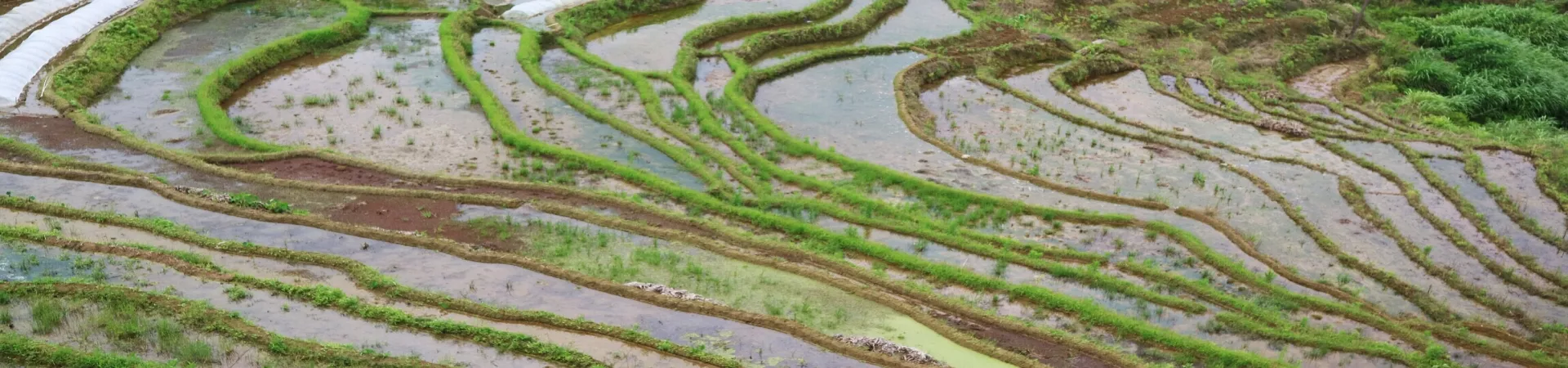
2.1. The Ever-Changing Canvas The core beauty of Lianhe lies in its dynamic, seasonal transformation. The terraces are a chameleonic canvas, offering a distinctly different yet equally stunning spectacle throughout the year. In spring, water-filled paddies mirror the sky, creating a mesmerizing patchwork of shimmering mirrors that reflect clouds, sunlight, and the surrounding peaks. Summer blankets the mountains in vibrant, lush green as rice seedlings grow vigorously, a symbol of life and abundance. Autumn is the season of golden glory, when ripened rice turns the slopes into a breathtaking sea of gold, radiating warmth under the harvest sun. In winter, on occasion, a delicate layer of frost or a rare snowfall traces the elegant curves of the terraces, presenting a scene of serene, monochromatic beauty.
2.2. Engineering and Ecology The terraces are a masterpiece of ancient hydrological and agricultural engineering. An intricate, community-managed system of canals, bamboo pipes, and ditches distributes water from mountain springs evenly across every level. This sustainable system demonstrates an advanced understanding of watershed management and soil conservation. The structure prevents erosion, retains fertility, and creates a unique micro-ecosystem that supports rice cultivation, aquatic life, and local biodiversity.
3. Cultural Heritage: The Soul of the Terraces
3.1. A Legacy Carved by the She and Han Peoples The creation and maintenance of the Lianhe Terraces are attributed to the diligent work of both the She ethnic minority and Han Chinese communities over generations. This landscape is inseparable from their cultural identity. The terraces are not merely farmland; they are the foundation of a unique cultural system encompassing traditional knowledge, folk customs, community rituals, and a deep-rooted philosophy of respecting nature's cycles.
3.2. Agricultural Heritage and Traditions As a designated Agricultural Heritage site, Lianhe protects precious traditional practices. This includes the cultivation of native, locally-adapted rice varieties, organic fertilization methods, and integrated farming practices where fish or ducks may be raised in the paddies. Traditional festivals tied to the agricultural calendar, such as planting and harvest celebrations, are vibrant expressions of this living culture, often featuring local music, dance, and cuisine.
4. Visitor Experience: Immersion and Inspiration
4.1. Photography and Sightseeing For photographers and sightseers, the terraces offer endless inspiration. Prime viewing platforms are strategically located in villages like Lianhe and Yunshan, offering panoramic vistas, especially at sunrise and sunset when the light paints the fields in magical hues. The interplay of light, shadow, cloud, and water creates a paradise for both amateur and professional photographers.
4.2. Hiking and Cultural Interaction Visitors are encouraged to explore beyond the viewpoints. Walking along the narrow paths that contour the terraces allows for an intimate experience—the sound of flowing water, the sight of farmers tending their crops, and the fresh mountain air. Engaging respectfully with local communities provides insight into their way of life. Homestays in village houses offer an authentic experience of local hospitality and traditional Fujianese architecture.
4.3. Practical Information for Your Visit * Admission Fee: There is no entrance fee to view the Lianhe Terraces, making this natural and cultural wonder accessible to all. * Operating Hours: The viewing areas are generally accessible from 8:00 AM to 8:00 PM daily. It is recommended to conclude entry by 6:00 PM to fully enjoy the landscape in daylight. * Best Time to Visit: Each season has its charm. April-May for water reflections, July-August for emerald green, and September-October for the golden harvest are particularly popular. Early mornings are ideal to avoid potential haze and capture the best light. * Contact: For local information, you may contact: 0598-6489999. * Travel Tips: Wear comfortable walking shoes with good grip for the often slippery paths. Bring sun protection, rain gear (weather can change quickly in the mountains), and a camera. As always, visitors are urged to be respectful custodians of the environment, taking all trash with them and not disturbing the agricultural activities.