Tianjing Cellar Courtyard
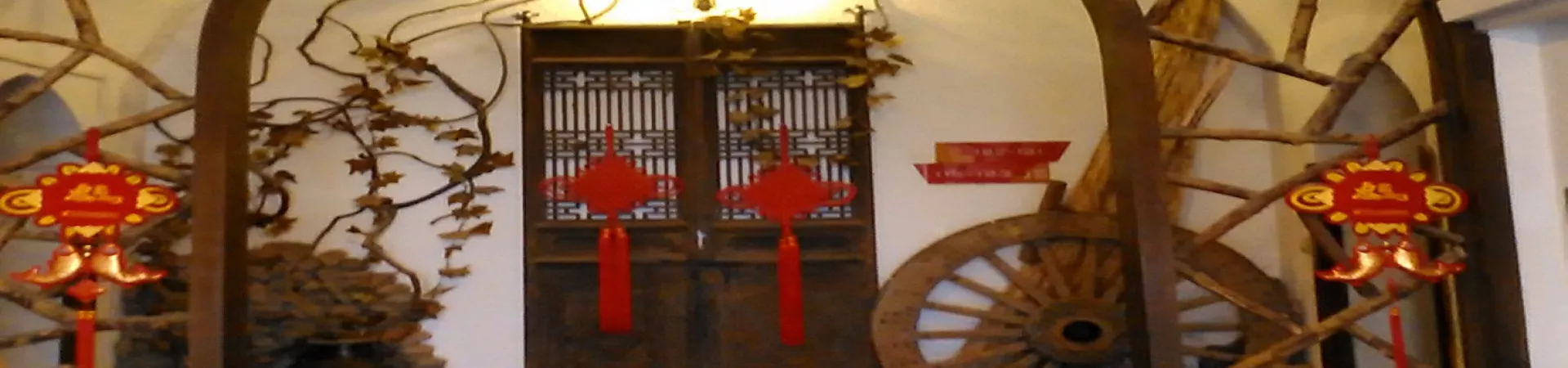
Subtitle: Descending into History: The Sunken Courtyard Dwellings of Sanmenxia
Introduction: A Journey Beneath the Earth
Nestled in the vast loess plateau of western Henan Province, near the city of Sanmenxia, lies a remarkable architectural and cultural secret: the Tianjing Yaoyuan, or "Sky Well Courtyard" dwellings. These are not typical houses; they are intricate homes carved directly into the earth, representing a harmonious and ancient adaptation to a challenging environment. For the modern visitor, a trip to these subterranean villages is more than a sightseeing excursion; it is a literal descent into a unique chapter of Chinese vernacular architecture and a way of life that persisted for centuries. This form of dwelling, known broadly as "yaodong" (cave dwellings), finds one of its most sophisticated and communal expressions here, where entire villages existed below ground level, centered around sunken courtyards open to the sky.
I. The Genesis of the Sunken Courtyards: An Architectural Response
A. The Environmental Canvas: Loess Plateau The story of the Tianjing Yaoyuan begins with the unique geology of the region. The Loess Plateau is composed of a thick, homogeneous layer of wind-blown silt known as loess. This soil is highly compactable, yet soft enough to be excavated with simple tools. It maintains structural stability when carved vertically, possesses excellent insulation properties, and is largely impermeable to water. These characteristics made it not just a landscape, but a perfect building material for generations of inhabitants.
B. Principles of Design and Construction The construction process was a reversal of conventional building. Instead of erecting structures upward, builders would first dig a large, rectangular pit, typically 6 to 10 meters deep, into the stable loess stratum. This excavated pit formed the central courtyard, the "sky well" that gives these dwellings their name. Around the four walls of this sunken courtyard, horizontal caves were then tunneled to serve as individual rooms—living quarters, kitchens, storage areas, and animal stables. A single, sloping tunnel passage provided access to the world above, often guarded by a sturdy gate. The courtyard itself functioned as the heart of the home, providing light, ventilation, and a communal outdoor space for daily activities, from food preparation to social gatherings.
II. A Self-Contained Ecosystem: Daily Life in the Yaoyuan
A. The Social and Family Unit A single sunken courtyard typically housed an extended family, forming a private, inward-looking microcosm. The arrangement fostered close familial bonds and a strong sense of privacy and security. The layout of the rooms around the shared courtyard facilitated constant interaction while allowing for separation of functions. The design reflected traditional Chinese values of family hierarchy and collective living.
B. Ingenious Adaptation and Sustainability The Tianjing Yaoyuan is a masterpiece of passive environmental design. The earth's mass provided natural temperature regulation, keeping interiors warm in the harsh, cold winters and remarkably cool during the hot, dry summers. This significantly reduced the need for additional heating or cooling. The courtyard collected precious rainwater, which was channeled away to prevent flooding. Often, a deep well was dug within the courtyard to secure a private water supply. The compact design and use of locally sourced, zero-transport materials (the earth itself) made this a profoundly sustainable living model long before the term was coined.
III. Cultural Significance and Historical Continuity
A. A Legacy Spanning Millennia The origins of cave dwellings in China can be traced back thousands of years, with the sunken courtyard style developing as a refined variant. The communities around Sanmenxia have preserved this tradition, with some courtyards being continuously inhabited for over two hundred years. They stand as tangible links to a semi-agrarian, clan-based social structure and offer invaluable insights into the resourcefulness of past generations.
B. Symbolism and Folk Culture The architecture is rich in cultural symbolism. The courtyard, open to the heavens, represents a connection between the earthly home and the cosmos. The orientation and decoration of rooms often adhered to principles of Feng Shui, aiming to harmonize the inhabitants with their environment. These dwellings were the setting for the full spectrum of life—birth, marriage, celebration, and death—and their walls absorbed the stories, folklore, and traditions of the local people.
IV. The Modern Experience: Visiting the Tianjing Yaoyuan
A. Preservation and Tourism Today, several well-preserved Tianjing Yaoyuan clusters, such as those in Zhangbian Village, have been protected and opened to visitors. They serve as living museums, where some courtyards remain inhabited, while others are furnished to showcase historical daily life. This offers an authentic glimpse into the past that static exhibits cannot match.
B. A Visitor's Practical Guide For those planning a visit, the experience is immersive. Walking down the entrance ramp into a courtyard feels like stepping into a different world. Visitors can explore the various cave rooms, appreciate the craftsmanship of brick facades and wooden doors fitted to the cave openings, and understand the layout firsthand. The interplay of light and shadow in the courtyard throughout the day is a photographer's delight. Engaging with local residents or guides provides personal context to the architecture.
Practical Information for Your Visit * Opening Hours: 08:00 - 17:30 daily. Last admission is at 17:30. It is advisable to arrive well before the last entry time to fully appreciate the site. * Location: Typically found in rural areas near Sanmenxia, Henan Province, such as in Mianchi County or Shanzhou District. * Best Time to Visit: Spring (April-May) and Autumn (September-October) offer the most pleasant weather. The natural insulation of the dwellings makes them comfortable to visit even in milder winter or summer months. * Visitor Notes: Wear comfortable, sturdy shoes suitable for walking on uneven earthen paths and descending slopes. The sites offer a profound lesson in cultural heritage and human adaptation, rewarding the thoughtful traveler with a unique perspective on China's diverse architectural history.