Swan Lake National Urban Wetland Park
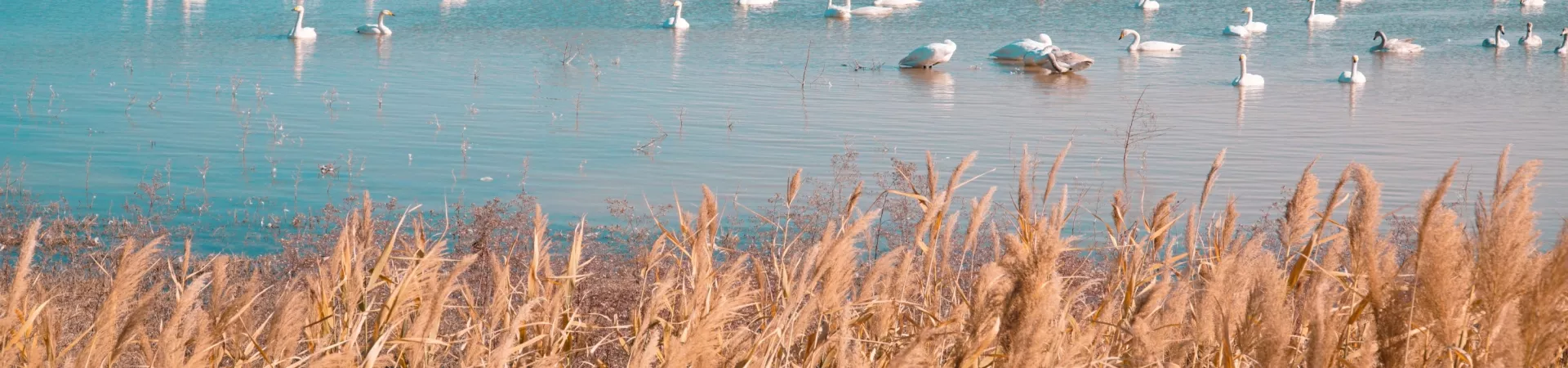
Subtitle: A Sanctuary of Grace: Exploring the Swan Lake National Urban Wetland Park in Sanmenxia
1. Introduction: The "City of Swans" and Its Crown Jewel
Nestled along the banks of the mighty Yellow River in Henan Province, the city of Sanmenxia has earned a poetic and well-deserved nickname: the "City of Swans." This title finds its heart and soul at the Swan Lake National Urban Wetland Park, a remarkable ecological haven where nature's spectacle and human appreciation converge. From late October through March each year, the park undergoes a breathtaking transformation, welcoming hundreds, sometimes thousands, of majestic whooper swans that choose its waters as their winter sanctuary. The image of these pristine white birds gliding upon the rippling waters of the Yellow River, set against the stark, profound backdrop of the Loess Plateau, creates a powerful and serene tableau of harmonious coexistence. This annual phenomenon has not only defined the city's identity but has also cemented the park's status as a premier destination within Henan's prestigious "Three Points and One Line" golden tourist route, drawing visitors and photography enthusiasts from across the nation to witness one of China's most famous avian spectacles.
2. The Seasonal Spectacle: A Winter Symphony of Swans
2.1. The Arrival of the Elegant Guests The park's most defining feature is its seasonal residents. The migration of the whooper swans is a calendar event, turning the wetland into a living ballet. These elegant birds, with their long necks and brilliant white plumage, find ideal conditions in the park's unfrozen lakes, which are warmed by the downstream flow from the Sanmenxia Dam.
2.2. A Paradise for Photography and Observation The main lake area becomes a dynamic stage for observation and photography. The contrast between the graceful swans, the earthy tones of the plateau, and the flowing Yellow River offers endless compositional opportunities. Dedicated viewing platforms and walking paths allow visitors to observe their behaviors—from preening and feeding to dramatic take-offs and landings—without disturbance, making it a top-tier destination for wildlife photographers and nature lovers alike.
2.3. Beyond the Swans: Year-Round Natural Beauty While the swans are the star attraction in winter, the park's philosophy is encapsulated in the local saying: "One can visit to enjoy the scenery in all four seasons, and each season offers a distinctly different view." As the cherished "back garden" of Sanmenxia, the park's landscape continuously evolves, ensuring every visit yields unique discoveries and sensations.
3. Exploring the Park's Diverse Landscapes and Attractions
The wetland park is a thoughtfully designed mosaic of islands, gardens, lakes, and cultural sites, seamlessly integrated into the natural riverine ecosystem. Key attractions include:
3.1. Historical and Cultural Islands * Zhougong Island (Duke of Zhou Island) and Zhaogong Island (Duke of Shao Island): These islands are named after revered historical figures from the Zhou Dynasty, adding a layer of cultural depth to the natural setting. They offer tranquil walking paths, lush vegetation, and scenic viewpoints over the water. * Sanhe Square: A central plaza often serving as a gathering point and entrance to the park's main areas, symbolizing the confluence of the region's natural and cultural spirits.
3.2. Scenic Vistas and Botanical Delights * Yingxiang Pavilion: A traditional-style pavilion providing elevated, panoramic views of the sprawling wetlands, the Yellow River, and, in winter, the congregations of swans. * Peony Garden: A seasonal highlight, particularly in spring when the garden bursts into a spectacular display of color and fragrance, showcasing a variety of peony breeds.
3.3. The Serene Water Systems * Qinglong Lake (Azure Dragon Lake) and Canglong Lake (Grey Dragon Lake): These interconnected lakes form the core aquatic landscape of the park. Their calm waters reflect the sky and surrounding greenery, creating peaceful spots for relaxation and are vital habitats for waterfowl throughout the year.
4. Practical Visitor Information
To ensure a smooth and enjoyable visit, please note the following essential details:
4.1. Admission and Operating Hours * Admission Fee: The park offers free admission to all visitors, making this natural treasure accessible to everyone. * Opening Hours: The park is open daily from 08:00 to 18:00 throughout the year.
4.2. Planning Your Visit * Recommended Duration: To fully appreciate the park's scale, attractions, and tranquility, a visit of 3 hours or more is advisable. This allows time for leisurely walks, photography, and simply soaking in the atmosphere. * Best Time to Visit: For the iconic swan experience, plan your trip between late October and March. For lush greenery and flowers, spring and early summer are ideal. Autumn offers pleasant weather and golden landscapes. * Contact Information: For any inquiries, you can reach the park at 0398-2821788.
4.3. Tips for a Responsible Visit As a protected wetland area, visitors are encouraged to maintain a respectful distance from wildlife, especially the swans, and to refrain from feeding them. Adhering to marked paths helps preserve the delicate ecosystem. Carrying binoculars and a camera is highly recommended to enhance the experience.