Sanmenxia Swan Viewing Area
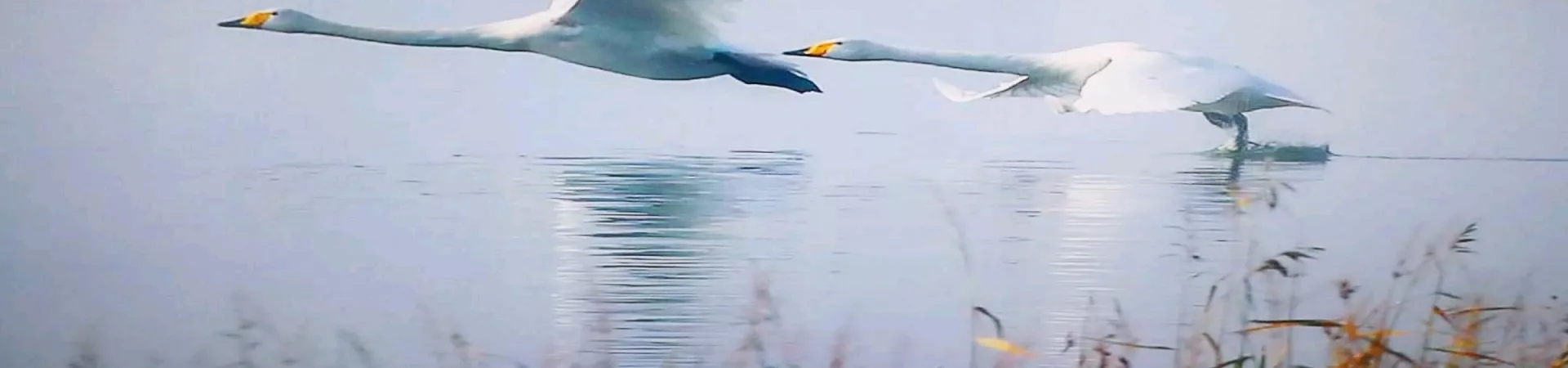
A Symphony of Wings: Discovering the Sanmenxia Swan Lake National Urban Wetland Park
Nestled along the majestic Yellow River in Henan Province, China, lies a winter spectacle that transforms the landscape into a scene from a fairy tale. The Sanmenxia Swan Lake National Urban Wetland Park, more commonly known to visitors as the Sanmenxia Swan Viewing Area, is not merely a destination; it is an annual pilgrimage for thousands of elegant migratory birds and the humans who marvel at them. This unique ecosystem, where urban development harmoniously coexists with pristine nature, has rightfully earned its title as the "City of Swans."
I. The Stage: A Sanctuary Forged by Water and Mountains * A. A Strategic Haven on the Yellow River The park's existence is deeply intertwined with the Sanmenxia Dam, a pivotal hydroelectric project built downstream. The dam's construction created vast, stable reservoirs and wetlands along this section of the Yellow River basin. These placid waters, combined with the area's temperate winter climate and abundant aquatic vegetation, provide the perfect overwintering conditions. The wetlands offer ample food sources like roots, stems, and leaves of aquatic plants, as well as small invertebrates, while the undisturbed water bodies serve as safe roosting grounds. * B. From Industrial Zone to Ecological Gem The transformation of this area is a remarkable story of ecological conservation. Once land affected by industrial activity, concerted efforts in environmental protection and wetland restoration have revived its natural vitality. Today, the park spans a significant area, meticulously designed with viewing platforms, boardwalks, and conservation zones that minimize human impact while maximizing visitor experience. This successful restoration stands as a testament to China's growing commitment to balancing ecological preservation with public enjoyment.
II. The Performers: A Closer Look at the Celestial Swans * A. Masters of the Long-Distance Journey Every late October, as the northern winds begin to bite, the skies over Sanmenxia fill with the resonant calls of migrating swans. Primarily Whooper Swans (Cygnus cygnus) and Mute Swans (Cygnus olor), these birds travel thousands of kilometers from their breeding grounds in Siberia and Mongolia. Their arrival, often in large, V-shaped skeins, signals the beginning of the viewing season, which lasts until the following March. * B. A Ballet on Water and in Air Observing the swans is a study in grace. On the water, they glide serenely, their pristine white feathers reflecting in the glassy surface, necks often curved in the classic S-shape of the Mute Swan. The whooper swans, distinguishable by their yellow-and-black bills, are known for their loud, trumpet-like calls that echo across the wetlands. The most breathtaking moments occur at dawn and dusk, when flocks take off or land, their powerful wings beating in unison, creating a symphony of sound and motion. Beyond swans, the wetland is a haven for various duck species, herons, and other waterfowl, composing a rich avian community.
III. The Experience: Planning Your Visit * A. Prime Time and Key Vantage Points The core viewing period is from November to February, with peak numbers usually between December and January. The park is designed for immersive viewing: * The Central Lake Observation Decks: Offering panoramic views of the main congregations. * The Meandering Boardwalks: Allowing for quieter, closer encounters with birds feeding near the reed beds. * The Photography Peninsula: A favorite among enthusiasts, positioned for capturing swans with the golden light of sunrise or sunset. * B. Guidelines for Responsible Observation To ensure the swans' safety and comfort, visitors are urged to adhere to strict guidelines. Maintaining a quiet demeanor, using binoculars or telephoto lenses for close-ups, and refraining from feeding or attempting to touch the birds are paramount. Staying on designated paths protects both the fragile wetland habitat and the visitor. * C. Beyond the Swans: Local Culture and Cuisine A visit to Sanmenxia can be enriched by exploring the city's deep historical roots, including nearby ancient temple complexes and historical sites related to the Yellow River civilization. Sampling local Henan cuisine, known for its hearty noodles, savory soups, and freshwater fish dishes, completes the cultural journey.
IV. The Significance: More Than Just Tourism * A. An Educational Resource The park functions as a vital open-air classroom for ornithology and environmental science. Interactive displays and educational programs raise awareness about migratory patterns, wetland ecology, and the importance of biodiversity conservation, inspiring the next generation of environmental stewards. * B. A Model for Coexistence Sanmenxia’s success demonstrates that urban spaces can actively contribute to wildlife conservation. The park provides critical habitat for threatened migratory species, supporting global biodiversity networks. Its existence underscores the potential for creating ecological corridors within human-dominated landscapes. * C. A Photographic and Artistic Muse The stark beauty of white swans against the winter backdrop of blue water, golden reeds, or occasional snowfall provides an endlessly inspiring subject. The area has become a pilgrimage site for nature photographers and artists, whose work further amplifies the message of beauty and conservation to a worldwide audience.
In essence, the Sanmenxia Swan Viewing Area offers a profound experience where the grandeur of nature meets human reverence. It is a place to witness one of East Asia's most magnificent avian migrations, to understand the delicate balance of ecosystems, and to find quiet inspiration in the graceful dance of swans on the ancient waters of the Yellow River.