Hanshan Scenic Area
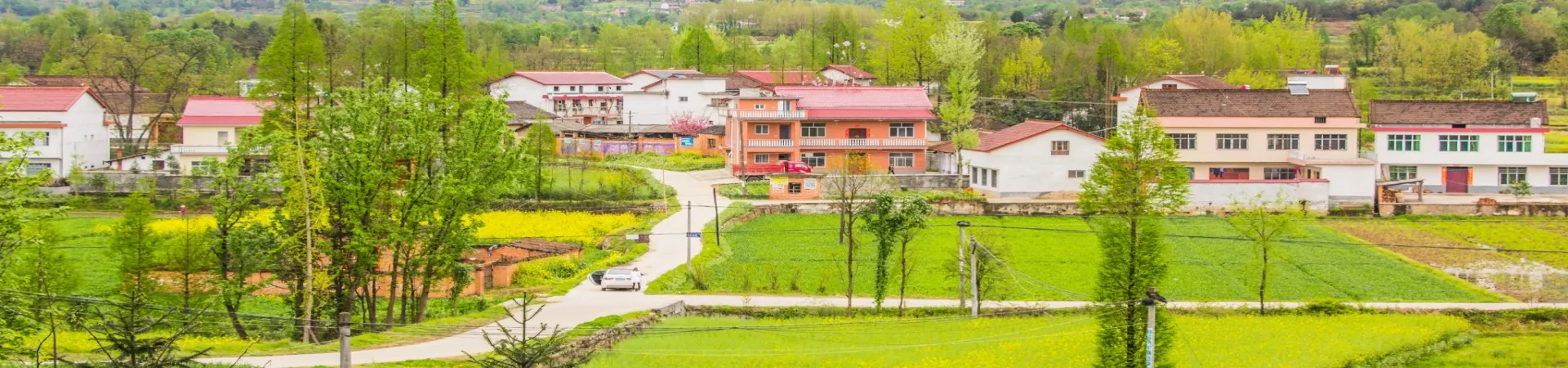
Subtitle: A Journey Through Time and Nature: Unveiling the Splendors of Hànshān Scenic Area
Nestled in the heart of China's Henan province, near the culturally rich city of Sanmenxia, lies the Hànshān Scenic Area—a destination that masterfully intertwines profound historical significance with breathtaking natural beauty. Far more than just a picturesque landscape, Hànshān serves as a living testament to China's ancient philosophical and spiritual heritage, primarily rooted in Taoism, while offering a serene escape into forests, mountains, and crisp air. This guide aims to provide a comprehensive overview for visitors, detailing its attractions, practical information, and the unique essence that makes a journey here unforgettable.
1. The Historical and Cultural Heart of Hànshān The soul of Hànshān is inextricably linked to its deep historical and cultural layers. The area is renowned as the place where Laozi, the legendary ancient philosopher and founder of Taoism, is said to have composed the seminal text, the Daodejing. This connection imbues every mountain path and ancient structure with a sense of contemplative wisdom.
1.1. The Legacy of Laozi and Taoist Heritage The most prominent cultural site within the scenic area is the Laozi Temple (Laozi Ci). This complex, built and expanded over various dynasties, is dedicated to venerating the great sage. Visitors can explore its halls, courtyards, and steles, feeling the weight of centuries of reverence. The temple is not merely an architectural site; it is an active center of Taoist culture, where the principles of harmony with nature, simplicity, and introspection feel palpably alive.
1.2. Architectural and Archaeological Treasures Beyond the temple, the area is dotted with historical relics. Ancient stone inscriptions carved into cliffs, remnants of old hermitages used by Taoist practitioners seeking solitude, and strategically placed pavilions offer moments of historical discovery. These structures are often perfectly situated to frame a stunning natural vista, reflecting the Taoist ideal of unity between human creation and the natural world.
2. The Natural Landscape and Key Scenic Spots Hànshān's terrain is characterized by lush, verdant forests covering rolling mountains, clear streams, and distinctive rock formations. The well-developed walking paths and steps guide visitors through a series of captivating scenic spots, each with its own character.
2.1. The Summit Experience and Panoramic Vistas The climb to the main peak is a rewarding endeavor. The path winds through dense foliage, with the sound of birds and rustling leaves providing a constant soundtrack. Upon reaching the summit or key viewing platforms, visitors are greeted with magnificent panoramic views. On a clear day, one can see layers of blue-hued mountain ridges fading into the distance, a powerful and humbling sight that encapsulates the area's grandeur.
2.2. Forests, Streams, and Unique Geology The journey itself is as important as the destination. The ancient tree-lined pathways offer cool shade and a rich, oxygenated atmosphere. Small waterfalls and babbling brooks cross the path at intervals, their clear water adding a refreshing auditory and visual element. Notable rock formations, shaped by millennia of wind and water, often bear imaginative names and are points of interest along the trails, inviting contemplation of nature's artistry.
3. Practical Information for Visitors To ensure a smooth and enjoyable visit, here are the essential logistical details for planning your trip.
3.1. Admission Fees and Operating Hours * Ticket Price: The standard admission fee is 65 RMB per person. There may be discounted rates for students, seniors, and children, so it is advisable to verify with official sources or at the ticket office. * Opening Hours: The scenic area is typically open from 8:00 AM to 6:00 PM daily. The last admission is usually at 6:00 PM. It is important to note that specific seasonal adjustments can occur. For instance, during certain periods like August 10th to September 10th, the operating hours may be confirmed as 8:00-18:00, with entry ceasing at 18:00. Always check for the most current schedule before your visit.
3.2. Suggested Duration and Best Time to Visit * Time Reference: A thorough exploration of the main cultural sites and natural trails generally requires a full day. A shorter visit of half a day is possible if focusing on just the Laozi Temple and the immediate surrounding areas, but to truly appreciate Hànshān's scope, a full-day itinerary is recommended. * Recommended Seasons: The scenic area is beautiful year-round, but spring (April-May) and autumn (September-October) are particularly ideal. During these seasons, the weather is mild and pleasant for hiking, with spring bringing vibrant blossoms and autumn showcasing a spectacular palette of red, orange, and yellow foliage. Summer offers deep green landscapes but can be warm, while winter presents a stark, quiet beauty, though some paths may be icy.
4. Tips for an Enhanced Visit Maximizing your experience at Hànshān involves a little preparation.
4.1. What to Wear and Bring Given the outdoor and mountainous nature of the area, comfortable, sturdy walking or hiking shoes are absolutely essential. Dress in layers according to the season, as temperatures can be cooler at higher elevations. Carry sufficient water, some snacks, and consider sun protection (hat, sunscreen) in summer or a light rain jacket, as mountain weather can change unexpectedly.
4.2. Navigating the Area and Etiquette The trails are well-signed, but picking up a map at the entrance is helpful. The paths involve a significant amount of stair climbing, so a moderate level of physical fitness is beneficial. As a site of cultural and natural significance, visitors are encouraged to practice respectful tourism: staying on designated paths, not disturbing wildlife, carrying out all trash, and maintaining a quiet demeanor, especially around the temple grounds, to preserve the tranquil atmosphere for all.
A trip to the Hànshān Scenic Area is more than a simple day out in nature. It is an opportunity to walk in the footsteps of ancient philosophers, to immerse oneself in landscapes that have inspired spiritual thought for over two millennia, and to find a moment of peace away from the modern world. Its combination of tangible history and intangible serenity makes it a uniquely rewarding destination in China's vast tapestry of scenic and cultural treasures.