Sanmenxia Guo State Museum
Subtitle: A Journey into the Heart of the Western Zhou: Exploring the Guo State Museum
1. Introduction: A Portal to an Ancient Kingdom
Nestled in the captivating landscape of Sanmenxia, where the mighty Yellow River flows to the north and the majestic Xiaoshan Mountains rise to the south, lies a unique cultural treasure: the Guo State Museum. This is not merely a repository of artifacts; it is a profound gateway to the Guo State, a powerful vassal kingdom of the Western Zhou Dynasty (c. 1046–771 BCE). As a specialized museum established directly upon the nationally protected Guo State Cemetery site, it masterfully integrates indoor exhibitions, in-situ archaeological displays, and serene classical gardens. This synthesis creates a comprehensive, modern, and multi-functional experience, rightfully earning its status as a National AAAA-level Tourist Attraction. The museum offers visitors an unparalleled opportunity to walk through history, exploring the intricate social hierarchy, advanced craftsmanship, and spiritual beliefs of a pivotal era in Chinese civilization.
2. The Archaeological Foundation: The Guo State Cemetery
2.1. Significance and Scale The true heart and raison d'être of the museum is the Guo State Cemetery itself. This vast necropolis, covering approximately 324,500 square meters, represents a discovery of extraordinary archaeological importance. It is recognized as the only large-scale, well-organized, and exquisitely preserved cemetery from the Western Zhou and Spring and Autumn periods belonging to a feudal state that has been found in China to date. Its significance lies not in isolation but in its remarkable completeness; the cemetery's layout clearly reflects the strict hierarchical social structure of the Zhou dynasty, with tombs ranging from those of rulers to nobles and commoners, all arranged in a meticulous order.
2.2. Discoveries and Excavations Since its initial discovery in 1956, systematic archaeological work has revealed over 800 ancient tombs and sacrificial pits, unearthing nearly 30,000 cultural relics. These findings have provided an immense wealth of material for studying the period's politics, economy, military, culture, and artistry. However, the most groundbreaking revelations occurred in the 1990s with the excavation of two magnificent tombs: those of Guo Ji and Guo Zhong. Both were identified as burial sites for rulers of the Guo State.
2.3. The Royal Tombs: Guo Ji and Guo Zhong The excavation of these two monarchical tombs constituted an archaeological sensation. The sheer quantity, exceptional quality, and historical value of the unearthed artifacts were staggering, offering direct insight into the supreme power and luxury of the Guo state's elite. The tombs contained exquisite bronze ritual vessels, intricate jade artifacts of unparalleled craftsmanship, finely made pottery, iron and lacquer ware, and a vast array of ceremonial chariots and horses. The importance of these finds was nationally acclaimed, with the discoveries being consecutively honored as one of the "Top Ten National Archaeological Discoveries of the Year" for two years. Furthermore, their historic value was cemented by being selected as one of the "100 Major Archaeological Discoveries in China in the 20th Century."
3. The Museum Experience: A Multifaceted Encounter with History
3.1. Exhibition Philosophy and Design The Guo State Museum transcends the conventional display of objects. It employs a sophisticated exhibition philosophy that guides visitors from the general historical context to the specific, awe-inspiring artifacts. The museum's layout is designed to create a narrative journey, beginning with an introduction to the rise and fall of the Guo State before delving into the core discoveries.
3.2. Core Exhibitions and Highlights The museum's collections are displayed across several thematic halls. One key section is dedicated to the dazzling array of bronze ware, including majestic ding tripods, gui food vessels, and musical instruments, which illustrate the state's military prowess and the critical role of ritual in maintaining social order. Another breathtaking section is the jade gallery. The jades from the Guo tombs are considered among the finest from the Zhou period, including ceremonial bi discs, cong tubes, and personal adornments, showcasing sublime technical skill and deep spiritual symbolism.
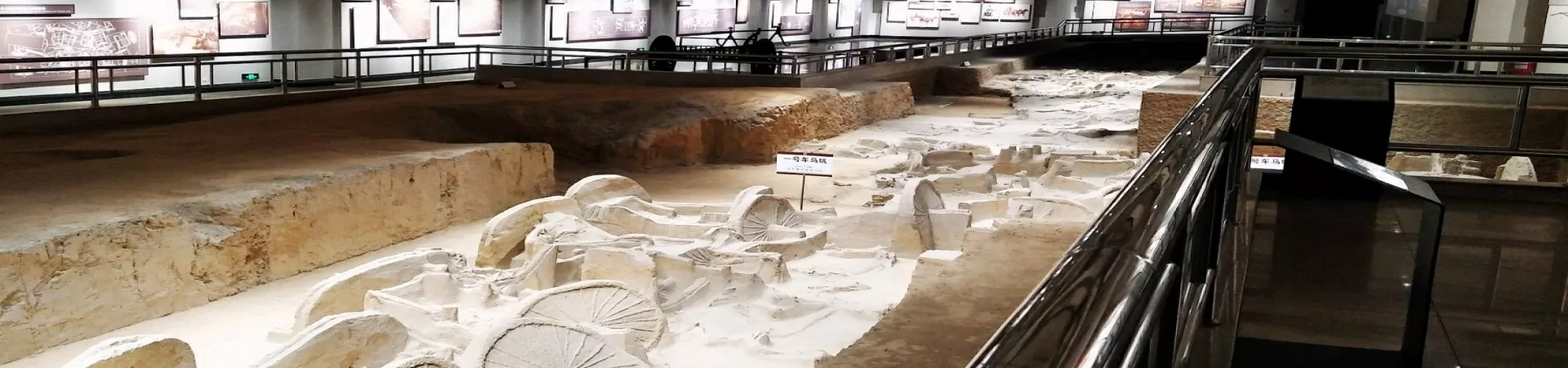
3.3. The In-Situ Preservation A uniquely powerful aspect of the visit is the opportunity to view parts of the original cemetery site preserved within the museum complex. Visitors can look upon actual tomb pits and chariot-and-horse burial pits in their discovered state. This direct, physical connection to the archaeological site bridges the gap of millennia, making the scale and customs of this ancient burial ground tangibly real.
4. Practical Visitor Information
4.1. Accolades and Facilities The museum's commitment to excellence extends beyond its collections. In August 2002, it was officially rated as a National AAAA-level Tourist Attraction. It has also achieved the ISO14001 International Environmental Management System certification, underscoring its dedication to sustainable operation. The quality of its presentations was nationally recognized in August 2003 when it was awarded the prestigious prize for the "Fifth National Top Ten Museum Exhibitions."
4.2. Planning Your Visit To ensure a smooth and enriching experience, visitors should note the following practical details: * Opening Hours: The museum is open daily from 09:00 to 17:30. The last admission is at 17:00. These hours apply throughout the year, from January 1st to December 31st. * Admission Fee: The general entrance ticket is priced at 40 RMB per person. * Contact: For any inquiries, visitors can contact the museum at +86-398-2955760.
A visit to the Guo State Museum is more than a museum tour; it is an immersive historical expedition. It allows one to stand at the very spot where an ancient kingdom honored its dead, to gaze upon objects handled by royalty and craftsmen three thousand years ago, and to gain a profound understanding of the foundations of Chinese aristocratic culture during the dawn of its imperial history.