Luliang Colored Sand Forest
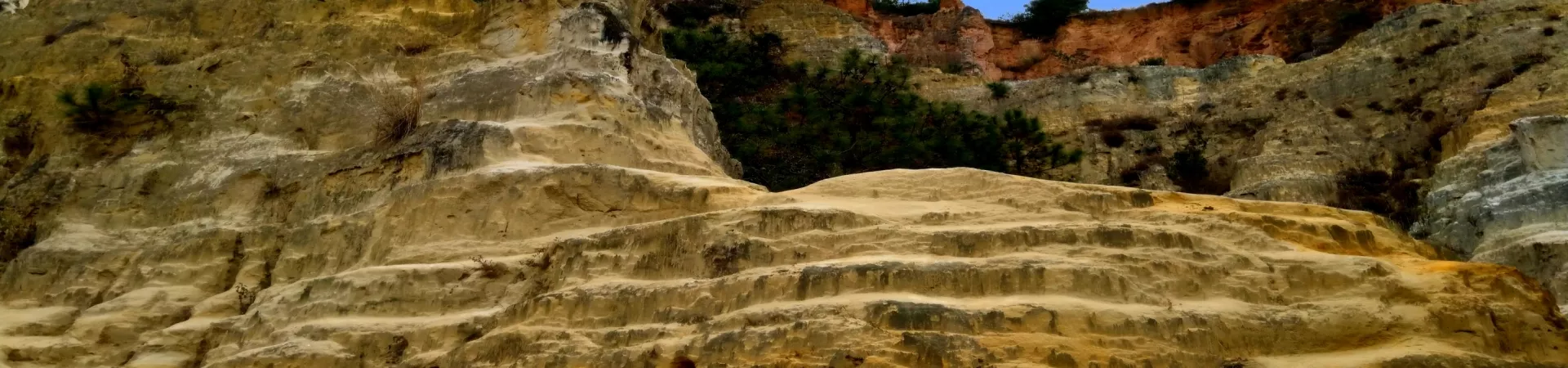
Subtitle: A Geological Masterpiece in Yunnan: Exploring the Vibrant Hues and Forms of Luliang Colorful Sand Forest
Introduction: A Landscape Born of Nature's Forces
Nestled in the heart of Yunnan Province, near the city of Qujing, lies a geological phenomenon unlike any other in China: the Luliang Colorful Sand Forest. This is not a forest of trees, but a breathtaking expanse of towering sandstone pillars, ravines, and cliffs, sculpted over millennia into a surreal, painterly landscape. The site stands as a powerful testament to the artistic prowess of natural forces—primarily seismic activity and relentless erosion by wind and rain. These elements have carved the soft, multi-hued sandstone into a mesmerizing array of forms: some resemble ancient castles, others evoke mythical beasts, towering mushrooms, or sharp blades piercing the sky. The true magic of the Sand Forest, however, lies in its palette. It is a living canvas where the earth itself displays a stunning spectrum of color.
The Symphony of Color: A Palette Carved in Stone
2.1 The Dominant Hues and Their Origins The foundation of this natural artwork is a vibrant blend of red, yellow, and white sandstone. These dominant colors are the result of varying mineral compositions within the sedimentary layers, primarily iron oxides which create the rich reds and yellows, and quartz or feldspar contributing to the lighter tones. Interspersed among these are striking veins and patches of secondary colors: cool blues, deep greys, somber blacks, and occasional hints of green. This complex stratification tells a silent geological history spanning millions of years.
2.2 The Dynamic Visual Experience What makes the Colorful Sand Forest perpetually captivating is its refusal to look the same twice. Its appearance is a dynamic interplay between the static landform and transient natural conditions.
- 3.1 The Influence of Light and Time: The passage of the sun dramatically alters the scene. At dawn, the soft, angled light accentuates textures and casts long, dramatic shadows, bathing the pillars in warm gold and pink. At high noon, the landscape is vividly illuminated, making the colors appear at their most intense and stark. Sunset transforms the area into a fiery spectacle, with the red sandstone seeming to glow from within.
- 3.2 The Impact of Weather and Seasons: After rainfall, the colors become deeply saturated and lustrous, with damp sand intensifying the hues. Mist or light fog can shroud the formations in mystery, softening their outlines and creating an ethereal atmosphere. Different seasons bring varying angles of sunlight and atmospheric qualities, further modifying the visual perception of the cliffs and valleys.
- 4. The Role of Perspective: The visitor’s journey through the sand forest is one of constant rediscovery. A formation that appears as a solid red wall from one vantage point might, from another angle, reveal itself as a delicate, multi-colored arch or a series of thin, separate fins. Walking the paths and looking up from the base of these colossal structures imparts a profound sense of scale and wonder.
Practical Information for Your Visit
2. Planning Your Journey: Location and Access The Luliang Colorful Sand Forest is located in Luliang County, approximately a 1 to 1.5-hour drive from downtown Qujing. For visitors using public transport, the local Luliang Bus No. 5 provides service directly to the "Colorful Sand Lin (Colorful Sand Forest)" bus stop, from where the entrance is within walking distance. Taxis or private car hires from Qujing offer more flexibility for the journey.
3. Essential Visitor Details
- 4.1 Admission Fees: The standard adult entrance ticket is priced at 70 RMB. This fee provides access to the core scenic area with its network of walking paths and viewing platforms. It is advisable to check for any potential discounts for students, seniors, or children at the ticket office.
- 4.2 Operating Hours: The park is officially open all day, every day of the year. This allows for planning visits to capture specific lighting conditions, such as sunrise or sunset. However, access to certain paths or facilities may be subject to change based on weather or conservation efforts.
- 4.3 Suggested Duration: To fully appreciate the scale, details, and changing light within the Sand Forest, a visit of at least 3 hours is recommended. This allows for a leisurely pace to walk the main trails, take photographs from different perspectives, and simply absorb the unique environment.
4. Navigating and Experiencing the Park Upon entering, a well-marked system of trails guides visitors through the most impressive sections of the Sand Forest. These paths wind through narrow canyons, open up to grand amphitheaters of stone, and lead to overlooks with panoramic views. Informational signboards are placed at key points, explaining the geological formations and local legends associated with certain shapes. The terrain is generally manageable, but wearing sturdy, comfortable walking shoes is essential due to sandy and occasionally uneven paths.
Preservation and Cultural Context It is important to recognize that the Sand Forest is a fragile ecosystem. The sandstone is susceptible to erosion, and the vibrant colors can be damaged by physical contact. Visitors are urged to stay on designated paths, refrain from touching or climbing on the formations, and carry out all trash to help preserve this natural wonder for future generations. The area is also steeped in local Yi and Sani culture, and the strange landscapes are often woven into folk tales, adding a layer of human imagination to the geological narrative. The site, while a stunning natural attraction, also serves as an open-air classroom for geology and geography enthusiasts, vividly illustrating processes of sedimentation, tectonic uplift, and erosion.