Lubuge Little Three Gorges
Subtitle: A Journey Through Man-Made Marvels and Natural Splendor in Yunnan
Introduction Nestled within the rugged landscapes of Qujing, Yunnan Province, lies the captivating Lubuge Lesser Three Gorges. This remarkable destination is not solely a product of nature's artistry but a harmonious blend of geological wonder and human ingenuity. The area was transformed following the completion of the Lubuge Hydropower Station, whose impoundment created a serene, 19.8-kilometer-long artificial lake that now fills a once deep and mysterious gorge. The result is a stunning tableau where emerald waters weave through a dramatic corridor of sheer cliffs and towering peaks, offering a unique and picturesque adventure that contrasts serene lake travel with the grandeur of a steep canyon.
Section 1: The Geological Drama of the Gorges 1.1 A Landscape of Contrasts The defining feature of Lubuge Lesser Three Gorges is its breathtaking topography. The canyon presents a dramatic play of scale and perspective. At its most expansive, the gorge stretches over 500 meters wide, allowing sunlight to flood the water and cliffs. Conversely, at its narrowest points, the cliffs constrict to a mere 30 meters apart, creating intimate, awe-inspiring passages where the water deepens to a profound shade of green and the towering rock faces feel intimately close. This constant variation ensures a visually dynamic journey from start to finish.
1.2 The Three Signature Gorges The lake voyage naturally segments into three distinct gorges, each with its own character and legendary namesake. * The Male Lion Gorge (Xiongshi Xia): Often the initial major section encountered, this gorge is named for formidable rock formations that resemble a crouching lion guarding the waterway. The cliffs here are typically massive and imposing, setting a tone of grandeur. * The Dripping Soul Gorge (Diling Xia): This section is frequently cited as the most enchanting. The name evokes a sense of ethereal beauty, often derived from the delicate waterfalls, mist, and lush vegetation that adorn the crevices of its cliffs. The atmosphere here is one of tranquil mystery. * The Twin Elephants Gorge (Shuangxiang Xia): Marking another impressive geological spectacle, this gorge is named for two large, projecting rock formations on the cliffside that resemble the heads of elephants dipping their trunks into the lake below, showcasing nature's whimsical sculptural prowess.
Section 2: Core Attractions and Cultural Encounters 2.1 Iconic Scenic Spots Beyond the three gorges, several specific landmarks captivate visitors. * The Feilong Waterfall (Flying Dragon Waterfall): A highlight of the tour, this is where a substantial river or stream cascades down the canyon wall directly into the lake. The sight and sound of the waterfall, especially after the rainy season, provide a powerful counterpoint to the lake's calmness. Boats often approach closely, allowing guests to feel the spray and admire the vibrant rainbows frequently formed in the mist. * The Huangge Fangrong (Imperial Pavilion Square Banyan): This refers to a venerable, large banyan tree located near the water's edge, possibly in a historical village site. Such ancient trees in China are often steeped in local lore and serve as a living testament to the area's long-standing human habitation and cultural history.
2.2 The Bouyei Cultural Context The experience at Lubuge is enriched by its setting within a region inhabited by the Bouyei ethnic minority. While the boat tour focuses on natural scenery, the journey to the gorge often passes through or near traditional Bouyei villages like Duoyi. These communities, with their distinctive stilted architecture, vibrant textiles, and rich traditions, represent an integral layer of the region's identity. The area successfully integrates this cultural element with its natural and technological wonders, offering a more holistic Yunnan experience.
Section 3: Essential Visitor Information 3.1 Transportation and Access Lubuge Lesser Three Gorges is located approximately 55 kilometers from Luoping County town, and the journey there is part of the adventure. * Primary Route: The most common approach involves taking a public bus from Luoping directly to the Lubuge Hydropower Station area. From the drop-off point, visitors can walk or arrange local transport to the dock. The road itself offers scenic views, passing through the spectacular "Shiwan Dashan" (Hundred Thousand Mountains), Bouyei villages, the impressive dam structure, and the Huangnihe River Valley. * Alternative Route: Another option is to take a local rural passenger vehicle from Luoping to Nage, and then hire a private car or minivan for the final leg to the scenic area dock. A round-trip charter typically costs around 200 CNY.
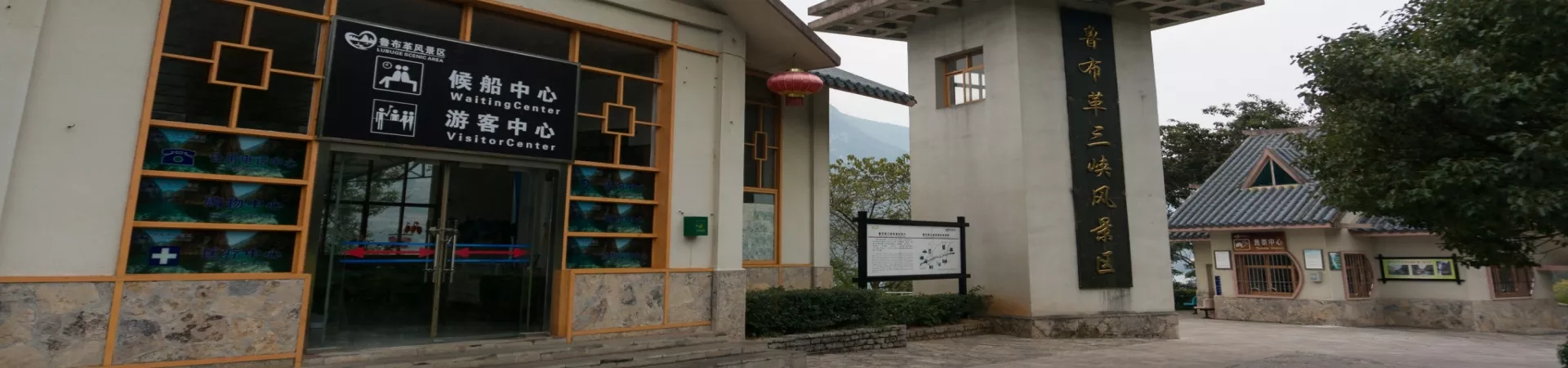
3.2 Tickets, Hours, and Logistics * Admission Fee: The standard entrance ticket is priced at 100 Chinese Yuan per person. This fee is inclusive of the essential boat tour through the gorges, which is the primary method for sightseeing. * Operating Hours: The scenic area is open daily from 8:00 AM to 5:30 PM throughout the year. * Time Recommendation: To fully appreciate the boat journey, disembark for photos at permitted spots, and account for transportation, a minimum of 3 to 4 hours should be allocated for the entire excursion from Luoping.
Section 4: The Formative Role of the Lubuge Dam 4.1 From Wild River to Serene Lake The very existence of the navigable gorge landscape is inextricably linked to the Lubuge Hydropower Station, a significant engineering project. Prior to the dam's construction, the canyon was a deep, rugged river valley. The damming of the river submerged the lower reaches of the gorge, taming the rapids and creating the calm, extensive lake that now allows boats to travel deep into the heart of the cliffs. This transformation added a layer of serene beauty to the raw, powerful scenery.
4.2 A Symphony of Nature and Engineering The site stands as a compelling example of how human infrastructure can, in certain cases, create new forms of scenic beauty. Visitors witness not only ancient geological formations but also the monumental face of the modern dam. The juxtaposition of the pristine natural canyon with the clean, functional architecture of the hydropower facility prompts reflection on energy, development, and environmental transformation in remote regions. The lake itself has become a thriving ecosystem and a recreational asset, demonstrating a secondary benefit of the engineering project.