Huize Ancient Town
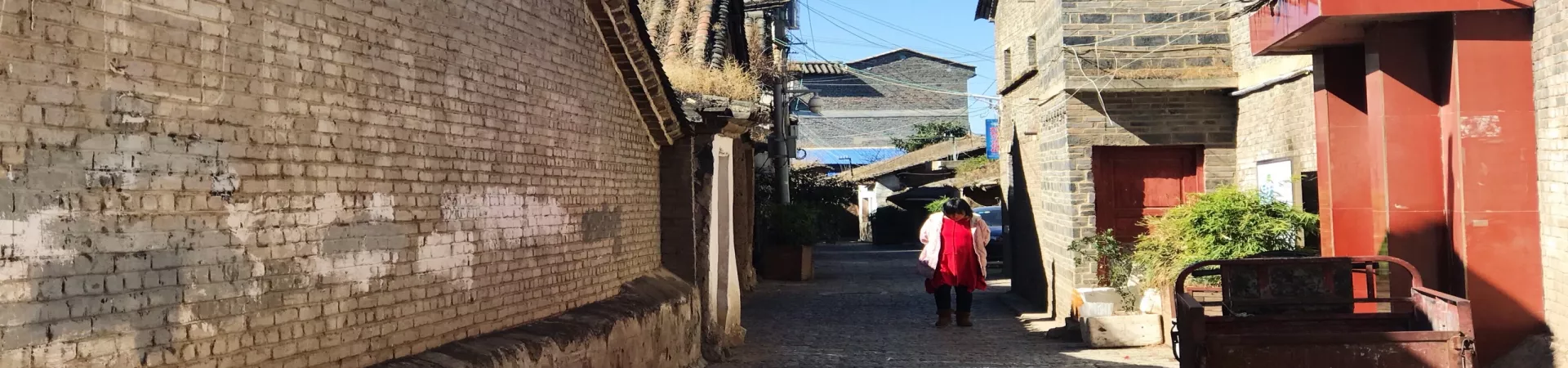
Subtitle: A Journey Through Time and Nature in Yunnan's Historic Copper Capital
1. Introduction: The Cradle of Yunnan's Civilization Nestled in the northeastern part of Yunnan Province, Huize Ancient Town stands as a living monument to China's rich and layered history. It holds the distinguished title of being one of the four earliest established counties in Yunnan's annals, a fact that imbues its very soil with a profound sense of antiquity. For centuries, Huize was synonymous with mineral wealth, particularly copper and lead. This legacy reached its zenith during the Qing Dynasty when the town evolved into a pivotal coin-minting center for Southwest China, fueling economies and shaping histories. Beyond its industrial past, Huize is also the birthplace of Tang Jiyao, a pivotal historical figure who led the National Protection War in Yunnan. Today, Huize seamlessly blends this deep historical narrative with breathtaking natural landscapes and unique architectural heritage, offering a travel experience that is both culturally enriching and visually spectacular.
2. A Tapestry of Natural Wonders The terrain surrounding Huize is a dramatic canvas painted with diverse and stunning scenery, forming a distinctive tourist landscape in northeastern Yunnan.
2.1. The Black-Necked Crane National Nature Reserve A true ecological treasure, this reserve is a sanctuary for the rare and elegant black-necked crane, one of the world's most vulnerable crane species. Every winter, these majestic birds migrate to the wetlands of Huize, creating a mesmerizing spectacle of wildlife against a backdrop of serene waters and mountains. It is a haven for birdwatchers and nature lovers, offering a poignant reminder of nature's delicate balance.
2.2. The Vast Da Hai Grass Mountain Contrary to its name suggesting a "sea," Da Hai Grass Mountain presents an endless, rolling expanse of alpine meadows. This sprawling, grassy plateau offers a sense of boundless freedom and pastoral tranquility. The landscape changes hues with the seasons—lush green in summer and golden in autumn—providing fantastic opportunities for hiking, photography, and simply immersing oneself in the grandeur of nature.
2.3. The Scenic Yili River Winding through the region, the Yili River adds a touch of gentle beauty to Huize's topography. Known for its clear waters and picturesque banks, the river is often referred to as a "silver ribbon" threading through the land. Its serene flow complements the more dramatic mountain and grassland scenery, offering spots for leisurely walks and quiet contemplation.
2.4. Jinzhong Mountain Adding to the region's topographical diversity, Jinzhong Mountain provides opportunities for exploration and panoramic views. It serves as a natural vantage point to appreciate the scale of Huize's beautiful countryside.
3. The Architectural Heritage: Guildhall Culture Perhaps the most unique cultural facet of Huize is its exceptionally well-preserved collection of ancient guildhalls (Huiguan). These structures, built by merchant groups and associations from different Chinese provinces during the Ming and Qing dynasties, stand as a testament to Huize's historical role as a bustling commercial hub. The concentration, architectural variety, and intricate detailing of these guildhalls are remarkable.
3.1. A Microcosm of Traditional Architecture Walking through the old town streets is like traversing an open-air museum of Chinese architectural styles. Each guildhall, representing its native province, showcases distinct decorative motifs, carving techniques, and spatial layouts. The Jiangxi Temple (or Guildhall), the Big Buddha Temple, and the Xilai Temple are prominent examples, featuring ornate woodwork, majestic halls, and serene courtyards. They are not merely buildings but symbols of community, trade, and cultural exchange from a bygone era.
3.2. Confucian Institutions: The Wen Temple and Wenchang Palace Alongside the commercial guildhalls, Huize's deep respect for scholarship and tradition is embodied in its Wen Temple (Confucian Temple) and Wenchang Palace. These structures were central to the intellectual and spiritual life of the town, dedicated to Confucius and the deity of literature, Wenchang, respectively. They represent the scholarly aspirations that coexisted with the town's mercantile drive, offering a quieter, more contemplative side to its historical character.
4. Practical Visitor Information To facilitate a smooth and enjoyable visit to Huize, here are some essential logistical details.
4.1. Transportation Huize is accessible primarily by road. Multiple long-distance bus services operate daily between Kunming, the capital of Yunnan Province, and Huize County. Departures are available from several major bus stations in Kunming, providing a direct and straightforward connection to the ancient town.
4.2. Opening Hours The ancient town itself and its surrounding natural attractions are generally accessible to visitors 24 hours a day, throughout the year. This allows for flexible itineraries, whether one wishes to catch the sunrise over the grasslands, explore the old streets in the afternoon, or enjoy a quiet evening stroll. It is advisable, however, to check for specific operating hours for individual temple sites or the nature reserve's visitor centers, as they may have more restricted entry times.
4.3. Suggested Duration To fully appreciate the historical depth of the ancient town, explore several of its key guildhalls and temples, and experience at least one of the major natural sights like the Da Hai Grass Mountain or the crane reserve, a minimum of one full day is recommended. This allows for a comprehensive, unhurried experience without being overly rushed. Visitors with a deep interest in history, architecture, or ornithology may find an extended stay of two days even more rewarding.