Yongning Ancient City in Quanzhou
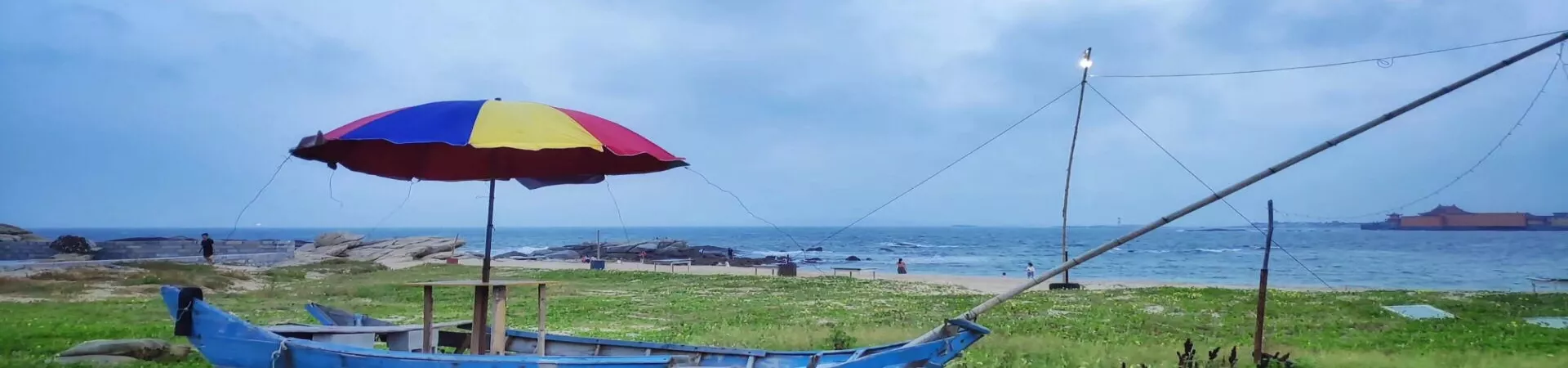
Subtitle: A Journey Through Time in Southern Fujian's Ancient Coastal Garrison
1. Introduction: The Guardian of the Coast Nestled along the southeastern coastline of Fujian Province, within the modern administrative purview of Shishi City, Quanzhou, lies the ancient town of Yongning. More than just a settlement, Yongning stands as a silent, stoic witness to centuries of maritime history, having served as a crucial coastal defense fort and a significant port for over six hundred years. Its story is not merely written in records but etched into the very fabric of its old city walls, its temple architectures, and the winding lanes that whisper tales of the past. For the discerning traveler seeking to move beyond the well-trodden paths of China's mega-cities, Yongning offers an immersive portal into the region's rich, layered history, where the echoes of naval commands and merchant haggling seem to linger in the salty air.
2. Historical Tapestry: From Tang Dynasty Outpost to Ming Fortress 2.1. Evolution of a Name The town's history is reflected in the evolution of its name, each moniker marking a different chapter. Known as "Shui Wo" (水沃) in its earliest days, suggesting a fertile, water-rich land, it was later referred to as "Gaoting" (高亭) during the Tang Dynasty, possibly indicating a watchtower or pavilion. By the Song Dynasty, it had become "Liang'en Ting" (凉恩亭), a name imbued with a sense of cool grace. However, it was during the Ming Dynasty that Yongning (永宁), meaning "Eternal Peace," truly came into its strategic prominence.
2.2. The Ming Dynasty Garrison City In the 14th century, amid concerns over coastal security and pirate threats (including the infamous wokou), the Ming government established Yongning as a key weiso (guard post or battalion garrison). This transformation into a fortified naval defense town shaped its destiny. Massive stone walls, gates, and a systematic internal layout were constructed, designed to repel invasions and protect the hinterlands. For centuries, it was a linchpin in the coastal defense network of southern Fujian, a status that defined its community, architecture, and spirit.
3. Exploring Yongning Ancient Town: A Visitor's Guide 3.1. Layout and Main Attractions The core of the visit is the ancient garrison city itself. While time has worn down parts of the original fortifications, significant sections of the old stone wall, several city gates (like the well-preserved Zhenhai Gate area), and the foundational street grid remain. Wandering through the narrow alleys, visitors encounter a living museum of traditional Minnan (Southern Fujian) architecture. Key sights include: * The Old Street (Gu Jie): The main artery of the old town, lined with shop-houses that once catered to soldiers and merchants. * Chenghuang Temple (City God Temple): A central place of worship and community gathering, reflecting local religious practices. * Various Ancestral Halls and Clan Temples: Testaments to the seafaring and migratory history of local families, many with intricate stone and wood carvings. * The Ancient Well and Old Banyan Trees: Scattered spots where daily life unfolded for generations.
3.2. Cultural Context: Beyond the Stones Yongning's significance is deeply tied to the broader history of Quanzhou, which was one of the world's greatest ports during the Song and Yuan dynasties, a starting point of the Maritime Silk Road. The town acted as a protective satellite and a complementary port. Furthermore, it is an integral part of the cultural landscape of the Hokkien (Minnan) people, whose diaspora spread throughout Southeast Asia. Many overseas Chinese can trace their roots to towns like Yongning, making it a poignant site of ancestral connection.
4. Practical Information for the Visit 4.1. Location and Transportation Yongning Ancient Town is located in Shishi City, which is under the jurisdiction of Quanzhou City, Fujian Province. * Getting There: The most common route involves taking a high-speed train (动车) to Quanzhou Railway Station. From there, take a regional bus to Taqian Bus Station in Shishi. Finally, transfer to Shishi Public Bus Route 5 and alight at the Zhenhaishi Park Station. The ancient town is within walking distance from this stop. The journey from Quanzhou city center takes approximately 1.5 to 2 hours in total, offering glimpses of the dynamic Fujian countryside and urban sprawl.
4.2. Admission and Opening Hours * Admission Fee: There is no entrance fee to access the Yongning Ancient Town area. It is an open historical neighborhood. (Note: Specific temples or small museums inside may request a nominal fee. It is always advisable to check for any updates on official policy on the day of your visit.) * Opening Hours: The ancient town's lanes and public spaces are accessible 24 hours a day, every day of the year. The best time for exploration, however, is during daylight hours (approximately 8:00 AM to 6:00 PM) when you can fully appreciate the architectural details and local life. Early mornings or late afternoons provide softer light for photography and a more tranquil atmosphere.
4.3. Suggested Duration and Tips * Time Reference: To fully appreciate the historical context, explore the main alleys, visit a couple of key temples, and absorb the atmosphere, a visit of 3 hours or more is recommended. History enthusiasts or photographers may wish to dedicate half a day. * Visitor Tips: * Wear comfortable walking shoes, as the exploration involves cobbled streets and uneven paths. * Engage with the locals respectfully; some elderly residents have lived here their whole lives and embody the town's history. * Combine your trip with other nearby attractions in Shishi or the greater Quanzhou area, such as the Maritime Museum or Kaiyuan Temple in Quanzhou city, to enrich your understanding of the region's maritime legacy. * While basic amenities are available, it is a working town, not a commercialized tourist park. Come with a mindset for authentic cultural exploration.