Wudian City in Jinjiang
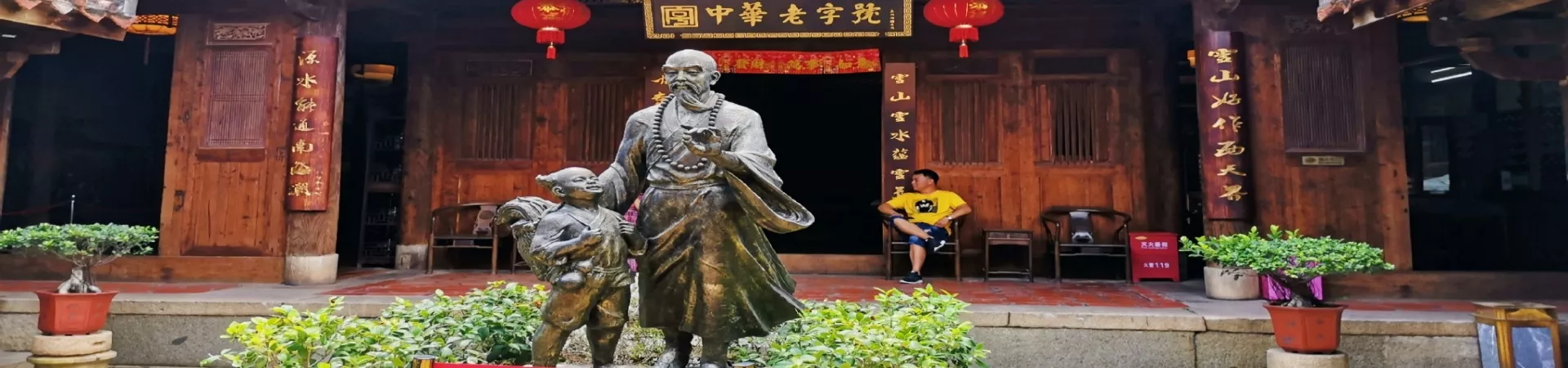
Subtitle: A Journey Through Time in Jinjiang's Ancient Commercial Heart
1. Introduction: From Humble Beginnings to a Cultural Hub
Nestled in the bustling modern city of Jinjiang, Fujian province, lies the Wudiancun Traditional Block (Five Shops Village), a living museum whispering tales of over a thousand years of history. Its story begins not with grand palaces, but with simple hospitality. During the Kaiyuan era of the Tang Dynasty (713-741 AD), five descendants of the Cai family, recognizing the needs of travelers on the official road at the foot of Qingyang Mountain, established five food and drink shops. These establishments, with their fluttering wine banners and inviting aromas, quickly gained renown. The area became affectionately known as "Qingyang Cai, Wudiancun," and eventually, "Wudiancun" evolved into a synonym for Qingyang itself. This marked the genesis of a remarkable urban fabric that would flourish for centuries, transforming from a roadside stop into a thriving commercial and residential center, now meticulously preserved as a window into Southern Fujian's soul.
2. Architectural Tapestry: A Walk Through Dynasties and Styles
The true magnificence of Wudiancun unfolds in its breathtaking architectural ensemble, a physical chronicle of its prosperity, particularly during the Ming and Qing dynasties. The block is a dense, captivating mosaic of over 130 historical structures, including ancestral temples, shrines, dwellings, and shops. Among these, 81 well-preserved residential buildings span from the Ming and Qing periods through the Republic of China era to modern times, with six designated as official Cultural Relics Protection Units.
2.1. The Quintessence of Minnan "Hongzhuan Cuo" The most iconic sights are the splendid "Hongzhuan Cuo" (red-brick houses), often called "Imperial-style" or "Palace-commencement" architecture. Characterized by their ornate red brick facades, gracefully curved swallow-tail ridges (yanwei ji), and intricate stone and wood carvings depicting floral motifs and auspicious symbols, these buildings reflect a unique local aesthetic that once emulated imperial grandeur. The use of red brick and baked clay tiles is not merely decorative but also practical, offering resilience against the humid subtropical climate.
2.2. Diversity in Form and Structure Beyond the iconic red-brick mansions, the architectural landscape showcases fascinating diversity. Simple yet sturdy rammed-earth houses speak to earlier, more vernacular building traditions. This historical stratification allows visitors to visually trace the evolution of local construction techniques and living standards.
2.3. Blending East and West: The "Yang Lou" Adding another layer to the narrative are the early 20th-century "Yang Lou" (foreign-style buildings). These structures, born from the experiences of returning overseas Chinese, feature a fascinating synthesis of Eastern and Western elements. Baroque or Art Deco flourishes might adorn the facade of a building that otherwise retains a traditional Minnan layout, creating a unique hybrid style that testifies to Jinjiang's historical connections with the wider world.
3. The Living Culture: Intangible Heritage and Daily Life
Wudiancun is far more than a collection of old buildings; it is a vessel for intangible cultural heritage. The block actively preserves and promotes the traditional customs, performing arts, and crafts of the Minnan region. Within the ancestral halls and temples, such as the Cai Clan Ancestral Hall, one can sense the enduring importance of family lineage and Confucian values. Traditional ceremonies and festivals are often reenacted here.
3.1. Experiencing Tradition Firsthand Visitors might encounter the lively rhythms of Nanyin (Southern Music), a UNESCO-recognized ancient musical art form, or the mesmerizing movements of Gaojia and Liyuan operas. Artisans demonstrate time-honored skills like lacquerware painting or puppet-making. The block's layout itself, with its interconnected alleyways and communal spaces, fosters a sense of neighborhood continuity, offering a glimpse into the social fabric of old Jinjiang.
4. Practical Information for the Visitor
4.1. Location and Access The Wudiancun Traditional Block is located in the heart of Jinjiang, which is adjacent to Quanzhou City. It is easily accessible by public bus. Key routes include Jinjiang Bus numbers 11, 17, 18, and 22. Alight at the "Wudiancun" bus stop, and the entrance to the historic district is within a short walking distance.
4.2. Admission and Opening Hours General access to the open-air historic block and its public streets is free of charge 24 hours a day, throughout the year. This allows for leisurely strolls at any time to admire the external architecture and atmosphere. However, several curated theme museums and specific historic homes within the block require a paid ticket for entry. These include the Wudiancun Folk Customs Museum and the Festival & Celebrations Museum. * Ticket Price: Approximately 10 RMB per museum. * Concessions: Half-price tickets are available for minors (aged 6-18), full-time students below undergraduate level (with valid ID), and seniors aged 60-70 (with valid ID). * Free Admission: Free entry is granted to active-duty military personnel (with ID), retired veterans, individuals with disabilities, seniors aged 70 and above, and children under 6 or with a height under 1.2 meters.
4.3. Suggested Duration and Contact A comprehensive visit to explore the alleyways, appreciate the architecture from the outside, and tour a couple of the indoor theme museums typically requires 1 to 3 hours. For specific inquiries, you may contact the management office at 0595-36770065 or 0595-36770058.