West Street
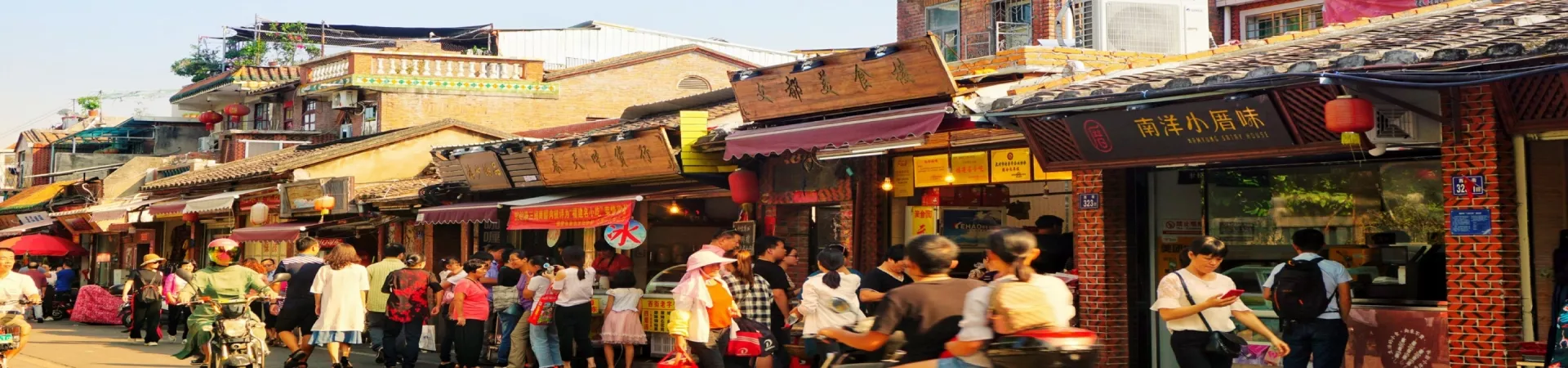
Subtitle: A Walk Through Time in Quanzhou's Ancient Heart
Introduction: The Living Chronicle of a Maritime Empire
To step into Quanzhou's West Street (Xijie) is to walk directly onto the pages of a history book that is still being written. This is not merely an old street; it is the foundational artery of one of the world's greatest medieval ports. As the earliest developed street and district in Quanzhou, West Street's prominence dates back to the Song Dynasty (960-1279 AD), a period when Quanzhou, known then as Zayton, stood as a dazzling cosmopolitan hub on the Maritime Silk Road. The street's very existence symbolized the city's peak prosperity, a tangible thread connecting the present to an era of bustling trade, cultural exchange, and immense wealth. Today, it remains the best-preserved ancient urban block in Quanzhou's city center, not as a static museum exhibit, but as a vibrant, living community where history whispers from every brick and beam.
Architectural Tapestry: A Legacy in Stone and Wood
The most compelling aspect of West Street is its profound architectural authenticity. The street and its surrounding labyrinthine lanes (known as xiang) have miraculously retained a large number of structures that maintain their historical original appearance. This is a streetscape where the grandeur of bygone eras coexists with the rhythms of daily life.
2.1. Protected Monuments: Official Guardians of History The district's historical significance is formally recognized by an impressive concentration of protected sites. The West Street area currently boasts over 20 cultural relics protection units at various levels (national, provincial, and municipal). These are categorized into:
- Ancient Structures: This includes pivotal religious and communal buildings such as the iconic Kaiyuan Temple, with its towering stone pagodas (Zhenguo Pagoda and Renshou Pagoda) that have served as nautical landmarks for centuries, and the ancient city's solemn Confucius Temple.
- Historical Residences and Guildhalls: The former residences of notable figures and the assembly halls of merchant guilds speak to the street's commercial and social importance.
- Stone Inscriptions and Archaeological Sites: Scattered石刻 (shike, stone carvings) and ancient ruins provide fragmentary yet crucial clues to the area's layered past.
2.2. Vernacular Heritage: The Unlisted Treasures Beyond the officially listed monuments lies an equally valuable layer of heritage. There are approximately 12 additional ancient buildings and traditional dwellings that, while not formally graded, are preserved in remarkably good condition. These are the quintessential Minnan (Southern Fujian) style houses—with their graceful swallow-tail ridge roofs (燕尾脊), intricate red-brick facades, and ornate stone carvings. They form the essential fabric of the neighborhood, offering an unfiltered glimpse into the vernacular architecture and living patterns of old Quanzhou.
The Modern Pulse Within Ancient Walls
What truly brings West Street to life is the seamless integration of this historical shell with contemporary vitality. The ground floors of many ancient buildings now house a charming mix of traditional shops selling local handicrafts, time-honored snack stalls, and trendy cafes. The air is filled with the aroma of Quanzhou's famed specialties like zongzi (sticky rice dumplings) and peanut soup, blending with the buzz of conversation and the sight of residents going about their day. This continuous human inhabitation is what preserves the spirit of the place, making history feel immediate and tangible rather than distant and curated.
Practical Information for the Visit
3.1. Admission and Opening Hours Access to West Street itself is completely free of charge, as it is a public thoroughfare and residential area. Visitors can wander the main street and its alleys at their leisure. The street is open all day, every day of the year. Individual attractions within the area, such as the Kaiyuan Temple or certain museums, may have their own specific operating hours and separate ticket policies, so it is advisable to check locally for those details.
3.2. Suggested Duration A visit can be tailored to your interests. A brisk walk along the main stretch to absorb the atmosphere and see the key monuments might take under an hour. However, to truly appreciate West Street, a deeper exploration is recommended. Allocating 2-3 hours allows you to wander the side alleys, visit a couple of the interior courtyards or small museums, sample various local snacks, and perhaps climb to the observation deck of the nearby Bell Tower for a panoramic view of the tiled rooftops.
Exploring the Labyrinth: Beyond the Main Drag
4.1. The Alleyways (Xiang) The real magic of West Street lies in venturing off the central path. The narrow, winding alleys that branch off from it, such as the famous Tumen Street or Houcheng Xiang, are quieter and often reveal even more authentic architectural details, hidden temples, and quiet residential life. These lanes are the neighborhood's veins, and exploring them is essential to understanding its complete character.
4.2. Culinary Journey A visit is incomplete without indulging in the local food culture. West Street is a premier destination for authentic Quanzhou snacks. Look for small, often family-run stalls selling Runbing (spring rolls), Tuzao (a sweet glutinous rice cake), Mianxianhu (vermice