West Lake Park
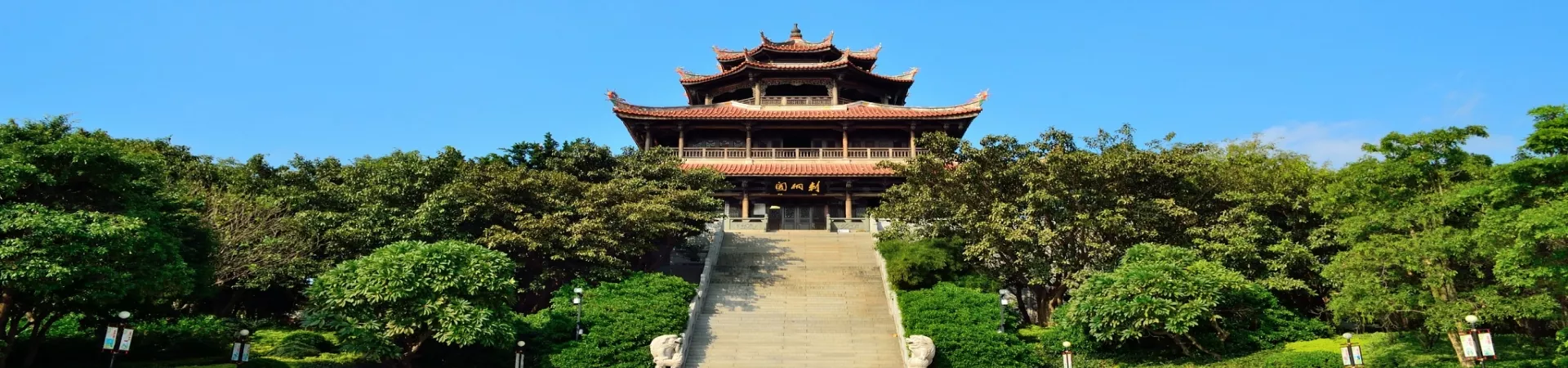
Subtitle: A Classical Garden Oasis in the Urban Heart of Quanzhou
1. Introduction: The City's Ecological and Cultural Jewel
Nestled at the southern foot of the majestic Qingyuan Mountain in the northwestern part of Quanzhou city, Quanzhou West Lake Park stands as a remarkable testament to harmonious integration of functional engineering, ecological restoration, and classical Chinese garden artistry. Far more than just a scenic spot, the park is a vital component of the Northwest Yang Flood Storage and Drainage Project, playing a crucial role in the city's water management. However, its functional origin seamlessly gives way to profound beauty. Encompassing a total area of 100 hectares, with a vast water surface of 82.28 hectares, it holds the distinction of being the largest artificial lake in Fujian Province. The park masterfully blends expansive aquatic vistas with intricate landscaping, creating an environment where "flowers bloom in profusion, ripples shimmer, fish and shrimp leap joyfully, and egrets find their habitat," forming a perfect synthesis of lake, mountain, and garden scenery. It is widely celebrated as a classical garden on the water, offering an exceptional ecological environment within the urban landscape of this historic city.
2. Architectural Layout and Landscape Design
2.1. The Core Structure: Islands, Bridges, and Causeways The park's layout is a masterpiece of traditional Chinese landscape design, organized around the elegant principle of "Four Islands, Three Bridges, and Three Long Causeways." This structure divides the extensive water body into three distinct yet interconnected zones, guiding visitors through a varied and engaging journey.
The Four Islands each offer a unique character and theme: * Fenglin Island (Maple Grove Island / Central Island): Often considered the heart of the park, this island serves as a central hub and vantage point. * Taohua Island (Peach Blossom Island): As the name suggests, it is dedicated to the beauty of spring, likely adorned with peach trees that create a breathtaking spectacle during the blooming season. * Shengtai Island (Ecological Island): This island emphasizes natural habitats and biodiversity, functioning as a sanctuary for wildlife and native plant species. * Huaguo Island (Flower and Fruit Island): This island combines ornamental horticulture with fruitful yields, appealing to the senses throughout the seasons.
Connecting these islands and the lake shores are the Three Bridges, each a homage to famous architectural gems from across China: * The 21-Arch Bridge: A graceful replica of the iconic Seventeen-Arch Bridge in Beijing's Summer Palace, its elongated form and numerous arches create a stunning reflection on the water, especially at sunset. * The Single-Arch Bridge (Jade Belt Bridge): Modeled after the Yudai Bridge in Wujiang, this high, moon-shaped arch bridge allows for the passage of boats beneath and adds a dramatic sculptural element to the landscape. * The Five-Arch Bridge (Five-Pavilion Bridge): Inspired by the beloved Five-Pavilion Bridge on the Slender West Lake in Yangzhou, this bridge is not merely a crossing but a destination itself, likely featuring pavilions for rest and contemplation.
The Three Long Causeways stretch across the water, providing serene, linear pathways for strolls, lined with trees and offering continuous panoramic views of the lake and its activities.
2.2. Themed Gardens and Commemorative Groves Beyond the grand layout, the park is meticulously detailed with specialized botanical collections and meaningful green spaces. It features five specialized gardens, including a Pine and Cypress Garden, a Palm Garden, and a Bamboo Garden, each showcasing the texture, form, and cultural significance of these plant families.
Adding a layer of international and social significance, the park houses thirteen commemorative forest plots. These include the "International Friendship Forest," the "International Young Friendship Forest," the "Youth Civilized Green Garden," and the "Voluntary Tree Planting Forest." These groves symbolize peace, friendship, and environmental stewardship, representing the collective care of both local and global communities. In total, the park's rich botanical tapestry features over 200 species of trees and plants, ensuring year-round color, texture, and ecological vitality.
3. Practical Visitor Information
3.1. Opening Hours and Admission The park is accessible daily, providing a retreat from morning until night. The operating hours are from 6:00 AM to 10:30 PM, Monday through Sunday, throughout the entire year. This schedule allows for visits to experience the park's different moods—from the fresh, misty mornings and lively afternoons to the beautifully lit evenings.
Regarding admission, it is recommended that visitors check the latest details directly with the scenic area. Policies may vary, and the park occasionally hosts special events or exhibitions that could affect standard access.
3.2. Suggested Duration and Experience A visit to Quanzhou West Lake Park can be tailored to suit different paces. For a comprehensive experience that includes leisurely walking along the causeways, crossing the iconic bridges, exploring several islands, and relaxing in the themed gardens, allocating approximately 1 to 3 hours is advisable. This allows ample time for photography, quiet observation of the wildlife, and simply soaking in the tranquil atmosphere without feeling rushed.
4. The Essence of the Experience
The true charm of Quanzhou West Lake Park lies in its synthesis of multiple roles. It is a critical piece of urban infrastructure, a thriving ecological reserve, and a living gallery of Chinese garden design. Visitors are treated to a landscape where the grandeur of replicated architectural wonders coexists with the delicate beauty of specialized gardens and the wild charm of egrets skimming the water's surface. It represents a successful model of how a modern city can preserve and integrate natural beauty and cultural heritage, offering residents and travelers alike a spacious, serene, and aesthetically profound escape. The park is not merely a place to see but an environment to be felt—a peaceful, breathing entity where water, land, history, and horticulture converge in the heart of Quanzhou.