Quanzhou Tianhou Palace
Subtitle: A Journey Through Time at Quanzhou's Mazu Epicenter
Introduction: The Heart of Maritime Devotion
Nestled at No. 1 Tianhou Road, near the southern gate of Quanzhou's city center, stands the Quanzhou Tianhou Palace, a serene yet monumental testament to a faith that shaped maritime history. More than just a temple, it is the living heart of Mazu worship, dedicated to the revered sea goddess believed to protect sailors and fishermen. Its story begins not with grand imperial decree, but with the profound gratitude of a seafaring community, evolving over centuries into the architectural and spiritual benchmark for countless Mazu temples across the globe. A visit here is not merely a sightseeing stop; it is an immersive walk through layers of Chinese history, art, and enduring folk belief, where every beam and courtyard whispers tales of the sea.
1. Historical Significance: From "Niangma Palace" to National Treasure
The palace's origins are deeply rooted in the Southern Song Dynasty, a period when Quanzhou (then known as Zayton) flourished as one of the world's greatest ports along the Maritime Silk Road. Founded in 1196 AD, it was initially and affectionately called the "Niangma Palace" (Lady Mother's Palace). This humble name reflects its organic origins, likely established by merchants and sailors returning safely from perilous voyages, giving thanks to Mazu for her divine protection. Its location was strategic, situated near the bustling waterfront, serving as a spiritual anchor for the city's vibrant maritime commerce.
The temple's importance grew exponentially through subsequent dynasties. It received imperial recognition and patronage during the Ming and Qing eras, solidifying its status as the foremost Mazu temple. This historical prominence was formally acknowledged in the modern era when, in 1987, it earned the distinguished title of a National Key Cultural Relics Protection Unit. This designation, the first ever awarded to a mainland Chinese Mazu temple by the State Council, underscores its unparalleled value not just as a religious site, but as a cornerstone of China's cultural heritage. It stands as the largest, best-preserved, and historically most significant complex of its kind in existence today.
2. Architectural Grandeur: A Symphony in Wood and Stone
Stepping into the temple complex is like entering a meticulously preserved architectural timeline. The layout follows a traditional axial plan, guiding visitors through a series of halls that increase in sanctity. The grandeur of the palace lies in its harmonious blend of scale and exquisite detail, showcasing the pinnacle of ancient Chinese temple architecture.
2.1. Structural Integrity and Scale As the largest existing Mazu temple complex, the palace covers an extensive area. Its buildings are arranged symmetrically along a central north-south axis, typically including gate towers, prayer halls, main halls, and residential quarters for deities. The sense of space is both imposing and tranquil, designed to inspire awe and reverence.
2.2. Rare Historical Artifacts What truly sets the Quanzhou Tianhou Palace apart is its authentic preservation of original elements. Remarkably, the structure retains key components dating back to the Song Dynasty, including foundational stones, plinths, and possibly some bracketing systems. These are rare physical links to its very inception. Furthermore, the bulk of the wooden framework you see today—beams, columns, and intricate dougong (bracket sets)—hails from the Ming and Qing Dynasties. This seamless integration of centuries-old craftsmanship is a marvel, allowing you to literally touch the work of artisans from 500 to 800 years ago.
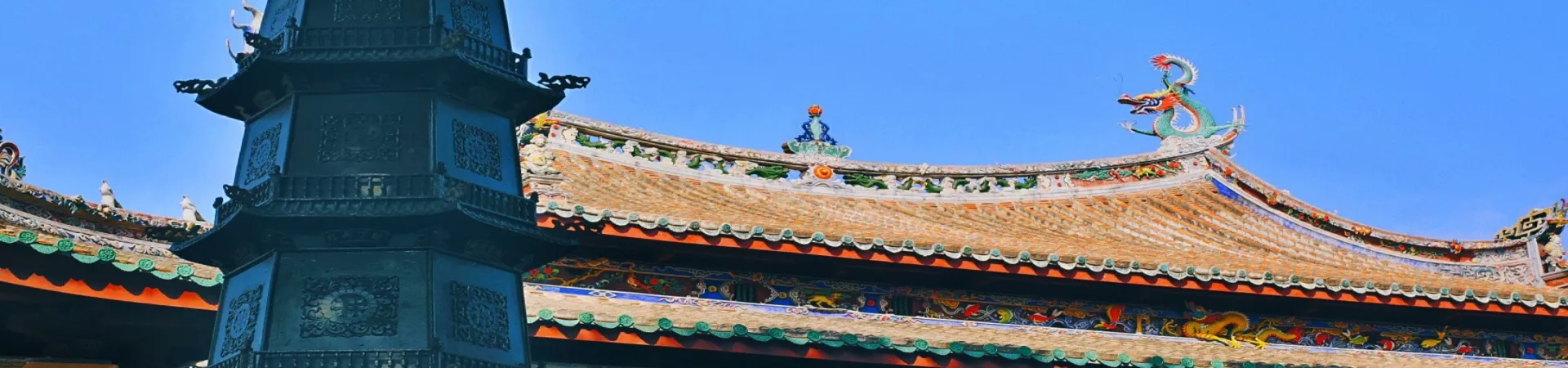
2.3. Artistic and Decorative Details The architectural artistry is breathtaking. Look upwards to admire the brilliantly colored sway-backed roofs, adorned with ceramic figurines depicting mythological scenes. Elaborate wood carvings grace doors, windows, and friezes, featuring motifs of dragons, phoenixes, and floral patterns symbolizing good fortune. Stone carvings on balustrades and pillars are equally impressive. The main hall, housing the statue of Mazu, is the most lavishly decorated, serving as the focal point of both devotion and artistic achievement.
3. The Cultural and Spiritual Experience
Beyond its physical structure, the palace is a vibrant center of living culture. The air is often fragrant with the scent of sandalwood incense, as devotees from near and far come to pray for safety, health, and good fortune.
3.1. Mazu Worship and Rituals The primary deity, Mazu, is typically depicted in a stately, benevolent form. Witnessing or participating in the rituals—lighting incense, making offerings, and offering silent prayers—provides a deep insight into Chinese folk religion. The temple is especially bustling during Mazu's birthday (23rd day of the 3rd lunar month) and other related festivals, when elaborate ceremonies, operas, and processions transform the area into a spectacle of faith and tradition.
3.2. Connection to the Maritime Silk Road The palace is an indispensable chapter in the story of Quanzhou's UNESCO-listed "Emporium of the World." It stands as a spiritual monument to the courage of the merchants, explorers, and sailors who ventured across the oceans. Before voyages, captains and crews would seek blessings here; upon safe return, they would give thanks, sometimes donating funds for the temple's expansion. This cycle intimately tied the temple's fate to the city's economic pulse.
3.3. A Living Museum While a sacred space, the temple also functions as a museum of history and art. Informative plaques (often bilingual) explain the significance of different halls and artifacts. The peaceful courtyards, ancient trees, and the gentle ambiance offer a respite from the modern city, inviting contemplation.
4. Practical Visitor Information
To ensure a smooth and respectful visit, please note the following details:
- Address: No. 1, Tianhou Road, near the South Gate, Quanzhou City.
- Opening Hours: The temple is open daily from 8:00 AM to 6:00 PM. Last admission is at 6:00 PM.
- Admission Fee: There is no entrance fee. The temple is open to the public free of charge.
- Suggested Duration: Plan to spend between 1 to 3 hours to fully appreciate the architecture, explore the various halls, and absorb the atmosphere without rushing.
- Contact: For any inquiries, you may call +86 595 2220 3731.
- Visitor Etiquette: As an active place of worship, visitors are encouraged to speak softly, avoid touching religious artifacts without permission, and be mindful of worshippers. Photography is usually permitted but avoid using flash inside halls, especially when people are praying.
The information presented is based on the latest available updates as of early August 2023. The Quanzhou Tianhou Palace remains a must-visit destination for anyone seeking to understand the soul of this historic port city, offering a profound connection to China's rich maritime past and its enduring spiritual traditions.