Qingyuan Mountain Scenic Area
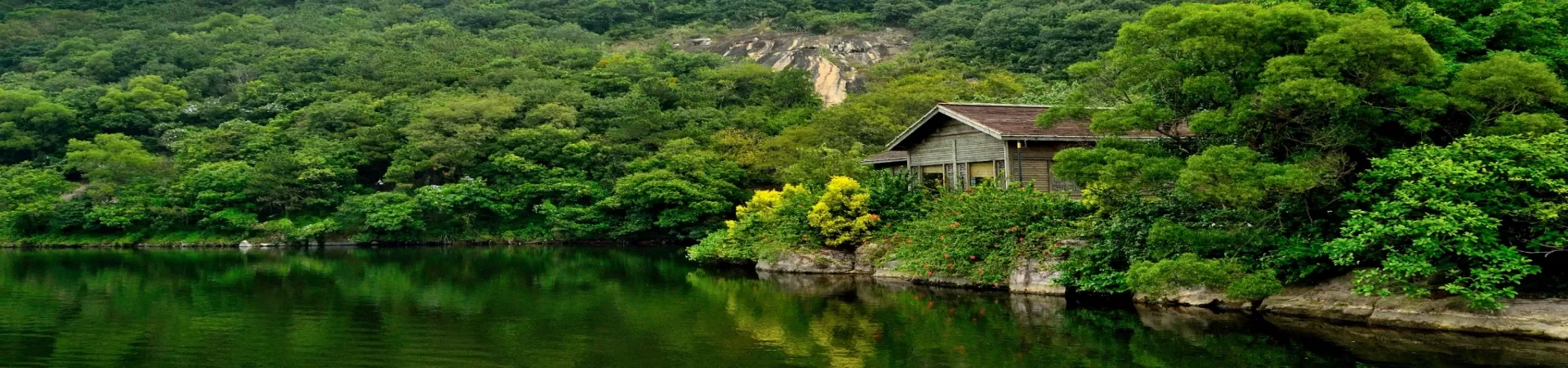
Subtitle: A Journey Through Taoist Serenity, Buddhist Legacy, and Minnan Culture on Quanzhou's Sacred Mountain
1. Introduction: The Spiritual Heart of Quanzhou Rising as the spiritual and natural emblem of the historic port city of Quanzhou, Qingyuan Mountain Scenic Area holds the distinguished title of the city's first and only 5A-class national tourist attraction. More than just a scenic backdrop, it is a profound cultural landscape where ancient philosophy, religious art, and traditional Minnan (Southern Fujian) lifestyle converge amidst serene forests, striking rock formations, and tranquil streams. A visit here is not merely a day of hiking; it is an immersive experience into the philosophical depths of Chinese civilization and the leisurely pace of local Fujian culture, offering a perfect blend of historical exploration, spiritual contemplation, and physical rejuvenation.
2. The Crown Jewel: The Lao Jun Rock 2.1. An Icon of Taoist Art Undoubtedly, the most iconic and awe-inspiring feature of Qingyuan Mountain is the monumental Lao Jun Rock, a colossal stone sculpture of Laozi, the revered ancient philosopher and founder of Taoism. Nestled at the foot of the mountain, this statue is the focal point of the entire area.
2.2. Historical and Artistic Significance Carved directly from a massive granite boulder during the Song Dynasty, it boasts a history spanning over a thousand years. It is celebrated as the largest, most artistically exquisite, and oldest surviving Taoist stone statue in China. The sculpture depicts Laozi in a seated, contemplative pose, his facial expression one of profound wisdom and serene detachment. The flowing lines of his robe and the intricate details of his features, weathered yet distinctly clear by time, showcase the extraordinary skill of Song Dynasty artisans. This silent, majestic figure serves as a powerful introduction to the Taoist principles of harmony with nature that permeate the mountain.
3. A Sacred Buddhist Memorial: The Master Hongyi Relic Pagoda 3.1. A Legacy of a Revered Master Adding a deep layer of Buddhist cultural significance to the mountain is the Relic Pagoda of Master Hongyi (Li Shutong). Master Hongyi was a towering figure in modern Chinese Buddhism—a brilliant artist, musician, and dramatist who later became a supremely revered monastic. He spent his final years in Quanzhou and had a profound connection with the Minnan region.
3.2. Artistic Tributes and Spiritual Reflections His pagoda, a place of quiet reverence, houses a poignant mural by the celebrated painter Feng Zikai. Created with ink mixed with tears of grief, this "tear-ink painting" is a moving artistic tribute to the master. On the stone in front of the pagoda, visitors can see Master Hongyi's final calligraphic inscription, left before his passing: "悲欣交集" ("Mixed Feelings of Sorrow and Joy"). This phrase captures the complex emotions of enlightenment and earthly farewell, inviting visitors to pause and reflect on the transient nature of life.
4. The Qingyuan Experience: Hiking, Tea, and Minnan Flavors 4.1. The Trail: A Walk Through Nature and Culture Exploring Qingyuan Mountain involves a rewarding hike along well-maintained paths that wind through lush greenery, past murmuring springs, and alongside other historical sites like stone inscriptions and classical pavilions. The climb offers varying levels of difficulty, catering to both casual walkers and more enthusiastic hikers, with the reward of fresh air and beautiful vistas at every turn.
4.2. The Art of Tea Amidst the Peaks A quintessential and delightful aspect of the Qingyuan experience is the deeply ingrained local tea culture. Scattered along the hiking trails are numerous rest stops and traditional tea houses. Here, visitors are highly encouraged to emulate the local custom: pause your hike, sit down, and order a pot of fine Tieguanyin or other Fujian tea. Sipping aromatic tea while surrounded by the mountain's tranquility is not just a break; it's a vital way to "slow down" and authentically savor the leisurely, hospitality-rich Minnan way of life.
4.3. Culinary Rewards at the Summit The journey finds a fulfilling conclusion at the mountain's summit. Several restaurants and eateries offer the chance to enjoy a meal with a spectacular panoramic view of Quanzhou. This is the perfect opportunity to try local Minnan and Hakka specialties, turning a physical accomplishment into a culinary celebration.
5. Practical Visitor Information 5.1. Ticket Information * Standard Ticket: 70 RMB. * Concession Ticket (35 RMB): Applies to minors aged 6-18, full-time university students, certified teachers, and seniors aged 60-70 from outside the Quanzhou area (valid ID required). * Free Admission: Granted to children under 6 or under 1.2 meters in height, seniors aged 60 and above within the Quanzhou area, all seniors aged 70 and above, retired veterans with credentials, active-duty military personnel, and persons with disabilities (valid ID required). * Note: Information is for reference. Please confirm the latest details at the ticket office on the day of your visit.
5.2. Opening Hours The scenic area is open daily from 08:00 to 17:30 throughout the year.
5.3. Suggested Duration & Contact A comprehensive visit to appreciate the main cultural sites, enjoy a leisurely hike, and experience the tea culture typically requires a full day. For any inquiries, you may contact the scenic area at: 0595-22777675.