Qingjing Ancient Temple
A Journey Through Time: Unveiling the Splendor of Quanzhou's Qingjing Mosque
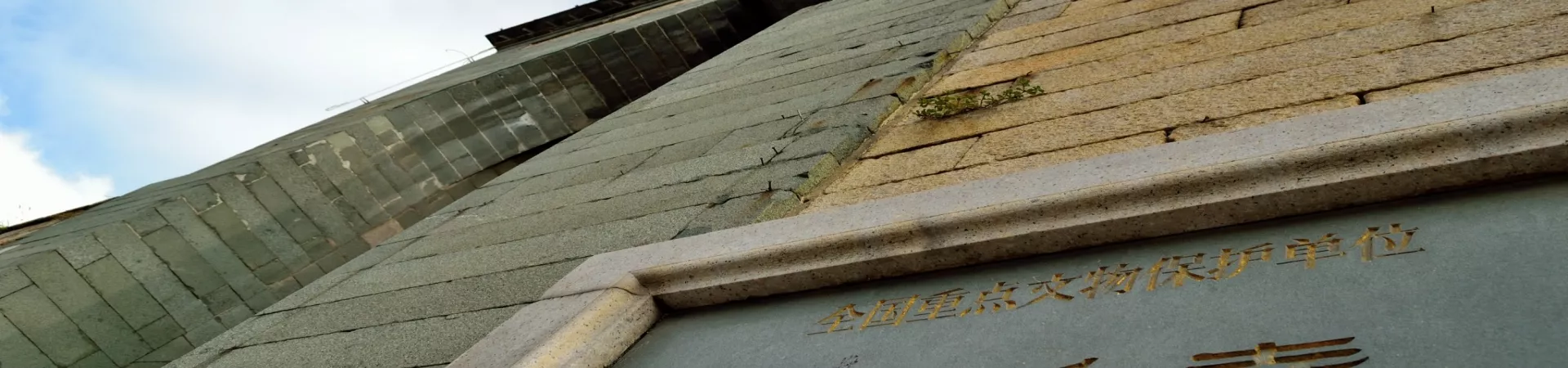
Nestled in the bustling heart of Quanzhou's Licheng District, along the vibrant Tumen Street, stands a monument of profound historical and cultural significance—the Qingjing Mosque. This architectural marvel is not merely a place of worship but a living chronicle etched in stone, representing the earliest surviving Islamic structure in China. Recognized for its immense value, it holds a distinguished place among the first batch of Major Historical and Cultural Sites Protected at the National Level, as designated by the State Council. As the oldest and most ancient mosque in China boasting authentic Arabian architectural style, it offers visitors a unique portal into the rich tapestry of intercultural exchange that defined ancient Quanzhou, a once-flourishing epicenter of the Maritime Silk Road.
The Historical Tapestry: From Song Dynasty to the Present
Origins and Ancient Prosperity The story of the Qingjing Mosque begins over a millennium ago, during the Northern Song Dynasty, with its initial construction dating back to the year 1009. This era coincided with Quanzhou's (then known as Zayton) zenith as one of the world's greatest ports. Arab and Persian merchants, navigators, and scholars flocked to the city, bringing with them their faith, traditions, and architectural knowledge. The mosque served as the spiritual and communal heart for this growing Muslim community. It was extensively renovated and expanded in 1309 during the Yuan Dynasty, a period of continued openness and trade. The existing structures largely reflect this 14th-century renovation, preserving the essence of its original form.
Architectural Resilience and Preservation Despite the inevitable wear of centuries, natural elements, and historical upheavals, the Qingjing Mosque has demonstrated remarkable resilience. While only a portion of the original complex remains today—primarily the majestic gatehouse and walls—these fragments are powerful testaments to its former grandeur. The preservation efforts underscored by its national-level protected status ensure that this irreplaceable link to China's multicultural past is maintained for future generations. Walking through its grounds, one walks the same paths as Silk Road traders did centuries ago.
A Study in Architectural Fusion: Where Arabia Meets China
The Qingjing Mosque's paramount significance lies in its architecture. It is a masterclass in cultural synthesis, seamlessly blending classic Islamic design principles with local materials and subtle Chinese influences.
The Imposing Gatehouse: A First Impression of Grandeur The surviving entrance gatehouse is an awe-inspiring sight. Constructed from massive blocks of diorite and andesite, it rises with a solemn and sturdy presence. Its design is distinctly Islamic, featuring a pointed arch doorway—a hallmark of Arabian architecture. The facade is adorned with intricate Arabic calligraphic inscriptions, verses from the Quran, and decorative geometric patterns carved directly into the stone. This grand entrance, reminiscent of mosques found across the Middle East, immediately transports the visitor across continents.
The Prayer Hall and Its Absence: Evoking Lost Splendor Beyond the gatehouse lie the foundations and partial walls of what was once the vast main prayer hall. Historical records describe a magnificent square hall covered by a colossal dome, capable of accommodating hundreds of worshippers. Although the dome and roof are lost, the remaining floor plan and the bases of numerous pillars allow the mind's eye to reconstruct its scale and layout. The arrangement of the qibla wall (indicating the direction of Mecca) and the remnants of the mihrab (prayer niche) are still discernible, marking the sacred focal point of the mosque.
Details and Craftsmanship: Inscriptions and Symbolism Scattered throughout the site are further stone relics: tombstones, pedestals, and decorative fragments. These pieces are invaluable, covered in exquisite Kufic and Thuluth script calligraphy. They record names, dates, and prayers, serving as direct historical documents. The use of local stone, meticulously carved with foreign scripts and motifs, symbolizes the very essence of Quanzhou's historical identity—a harmonious blend of the local and the global, the domestic and the imported.
Practical Information for the Modern Visitor
Location and Accessibility The mosque is conveniently located at the center section of Tumen Street (涂门街) in Licheng District, Quanzhou, Fujian Province. It is easily accessible by public bus, taxi, or as part of a walking tour of the city's historic old town, which is densely packed with other cultural sites.
Visiting Hours and Admission The site is generally open to the public daily from 7:30 AM to 5:30 PM. It is advisable to allocate approximately 1 to 3 hours for a thorough visit, allowing time to appreciate the architecture, examine the inscriptions, and absorb the atmosphere. A nominal admission fee is charged (historically around 3 RMB, subject to change). As operational details can be updated, it is recommended to verify the latest opening hours and ticket prices prior to your visit by checking official local tourism resources.
Context and Deeper Appreciation To fully appreciate the Qingjing Mosque, it is best understood within the broader context of Quanzhou's history. A visit to the nearby Quanzhou Maritime Museum is highly recommended. The museum houses an unparalleled collection of artifacts from the Silk Road, including Islamic tombstones and relics directly connected to the mosque's community, providing a richer narrative about the people who built and used this sacred space. The mosque itself is not an active place of worship today but functions primarily as a protected museum site, allowing visitors of all backgrounds to explore its history freely.
A Legacy in Stone: The Mosque's Enduring Significance
The Qingjing Mosque transcends its physical structure. It is a powerful symbol of the peaceful exchange of ideas, religion, and art along the Maritime Silk Road. It stands as irrefutable evidence of the diverse, cosmopolitan nature of medieval China, where different cultures met, interacted, and left a permanent mark. For the contemporary visitor, it offers a moment of quiet reflection amidst the modern city—a chance to touch the weathered stone and feel a tangible connection to a pivotal chapter in human history, where distant worlds converged on the shores of Quanzhou.