Guandi Temple
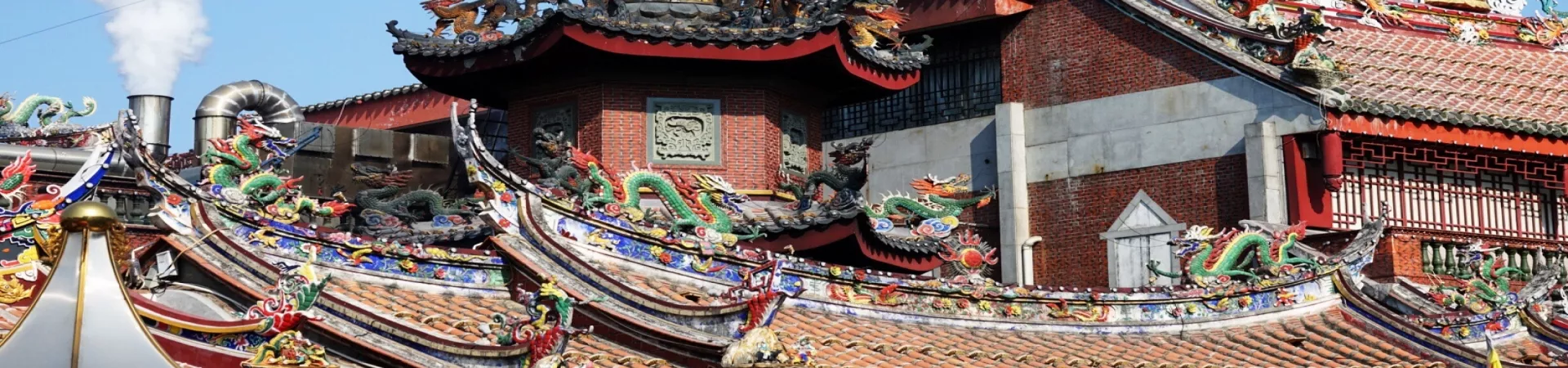
Subtitle: A Spiritual Anchor and Cultural Bridge: Exploring Quanzhou's Grand Guan Di Temple
Introduction: The Heartbeat of Minnan Faith
Nestled within the historic fabric of Quanzhou, a city once hailed as the "Alexandria of the East," stands a monument to loyalty, righteousness, and communal spirit—the Quanzhou Guan Di Temple. Far more than a single place of worship, this grand temple complex, situated prominently on Tumen Street adjacent to the ancient Qingjing Mosque, represents a vibrant epicenter of Minnan (Southern Fujian) culture and a powerful, living connection across the Taiwan Strait. While another significant temple exists in Dongshan's Tongling, the Quanzhou Guan Di Temple draws hundreds of thousands of devotees and cultural pilgrims annually. Among the swirling incense smoke and murmured prayers, a significant portion are Taiwanese compatriots and overseas Chinese, their journeys underscoring the temple's profound role as a cultural and spiritual bridge. It stands not merely as an architectural site but as a dynamic testament to the shared heritage that continues to bind communities together, playing an indispensable part in fostering people-to-people exchanges and mutual understanding.
Historical and Cultural Significance: From Warrior to Deified Guardian
The Cult of Guan Yu: Foundation of a Faith The temple is dedicated to Guan Yu, a revered general from the Three Kingdoms period (220-280 AD) immortalized in the classic Romance of the Three Kingdoms. Historically celebrated for his unwavering loyalty, righteousness, and martial prowess, Guan Yu underwent a centuries-long process of deification. He was successively elevated by imperial decrees, evolving from a heroic figure into Guan Di, or Emperor Guan—a divine protector, a god of war and literature, and most importantly for the mercantile culture of Quanzhou, a patron deity of business and trustworthiness. His moral code embodies the Confucian virtues highly prized in Chinese society, making his worship both a spiritual practice and a reinforcement of social ethics.
Quanzhou's Unique Synthesis: A Tapestry of Beliefs The temple's location next to the Qingjing Mosque, one of China's oldest Islamic mosques, is symbolic of Quanzhou's historic maritime cosmopolitanism. As a major terminus of the Maritime Silk Road, Quanzhou hosted merchants and settlers from across Asia and the Middle East. The Guan Di Temple's prominence amidst this diversity highlights how indigenous Chinese religious and cultural practices flourished and adapted. The temple's architecture, rituals, and its very presence speak to a layered history where local traditions confidently coexisted with foreign influences, creating a unique cultural landscape. The worship of Guan Di became a unifying force for the local Hokkien-speaking community, providing a stable spiritual anchor in a bustling, international port city.
Architectural and Artistic Grandeur: A Visual Symphony
Layout and Spatial Narrative The temple complex is a magnificent example of Southern Fujian temple architecture, characterized by its ornate decoration, sweeping swallow-tail roof ridges, and vibrant color palette. The layout typically follows a traditional axis, guiding visitors through a sequence of halls that build spiritual momentum. The procession often begins at an ornate entrance gate, leading to a front hall that might house guardian figures, before culminating in the main hall—the sacred sanctum where the imposing statue of Guan Di resides. Courtyards in between serve as gathering spaces for worshippers, especially during major festivals.
A Feast of Craftsmanship: Carvings, Ceramics, and More Every surface of the temple tells a story through exquisite craftsmanship: * Wood and Stone Carvings: Intricately carved beams, brackets (dougong), and stone pillars depict scenes from Chinese mythology, historical narratives, and auspicious symbols like dragons, phoenixes, and lotuses. The depth and dynamism of these carvings are hallmarks of the region's master artisans. * Cut-Porcelain Mosaic (Jiannian): This is perhaps the most stunning feature. Thousands of shards of colored porcelain are meticulously embedded into plaster to create dazzling, relief-style murals on the roof ridges and temple walls. These mosaics portray intricate scenes of figures, landscapes, and floral patterns, glittering under the sun and showcasing a unique recycling art form born from Quanzhou's ceramic export history. * Sculpture and Iconography: The central statue of Guan Di, often flanked by his loyal companions General Zhou Cang and his son Guan Ping, presents a formidable yet dignified visage—usually with a red face, long beard, and commanding eyes. The artistry aims to inspire both awe and reverence.
The Living Temple: Rituals, Pilgrimage, and Cross-Strait Bonds
Daily Worship and Major Festivals The temple is a hive of daily activity. Devotees perform a sequence of rituals: lighting incense sticks, making offerings of fruit or flowers, casting jiaobei blocks (moon-shaped divination tools) to seek guidance, and drawing fortune sticks. The atmosphere is one of direct, personal communication with the divine. This activity crescendos during key festivals, particularly on Guan Di's birthday, celebrated on the 24th day of the sixth lunar month, and during the Chinese New Year. These occasions transform the temple and its surroundings into a spectacle of operatic performances, procession of the deity's statue, and massive gatherings of the faithful, accompanied by the cacophony of firecrackers and traditional music.
The Pilgrimage from Taiwan: Weaving the Cultural Fabric Anew The most profound aspect of the temple's contemporary life is its connection with Taiwan. Due to centuries of migration from Southern Fujian to Taiwan, the worship of Guan Di (also known as Guan Gong) is deeply entrenched in Taiwanese religious life, with thousands of temples dedicated to him. For many Taiwanese believers, a pilgrimage to the Quanzhou Guan Di Temple is a journey to a spiritual root, a powerful act of cultural and genealogical return. These pilgrimages, often organized on a large scale, are not merely religious events but are potent expressions of shared identity. They facilitate continuous dialogue, familial reunions, and collaborative temple management, creating resilient people-to-people links that transcend political divisions. In this role, the temple functions as a crucial, grassroots agent for sustaining the intangible cultural fabric of the Minnan community across the Strait.
Visitor Information: Planning Your Visit
Practical Details for the Traveler * Location: Tumen Street, Licheng District, Quanzhou City, Fujian Province. It is centrally located and easily accessible, adjacent to the Qingjing Mosque. * Opening Hours: 8:00 AM to 5:30 PM daily. Last entry is at 5:30 PM. * Admission: Free of charge. * Suggested Duration: A visit can take approximately 1 to 2 hours, allowing time to observe architecture, witness rituals, and absorb the atmosphere. Allocating more time is recommended during festival periods. * Contact: +86 595 2809 2252
Etiquette and Observance Visitors are encouraged to observe respectfully. While photography is generally permitted in courtyards and of the exterior architecture, always avoid using flash inside halls and be discreet when photographing worshippers. Maintain a quiet demeanor, dress modestly, and follow the flow of movement. If you wish to participate in incense offering, it is appropriate to purchase a bundle from the temple vendors and follow the lead of local devotees.