Wanyao Pear Flower Valley Scenic Area
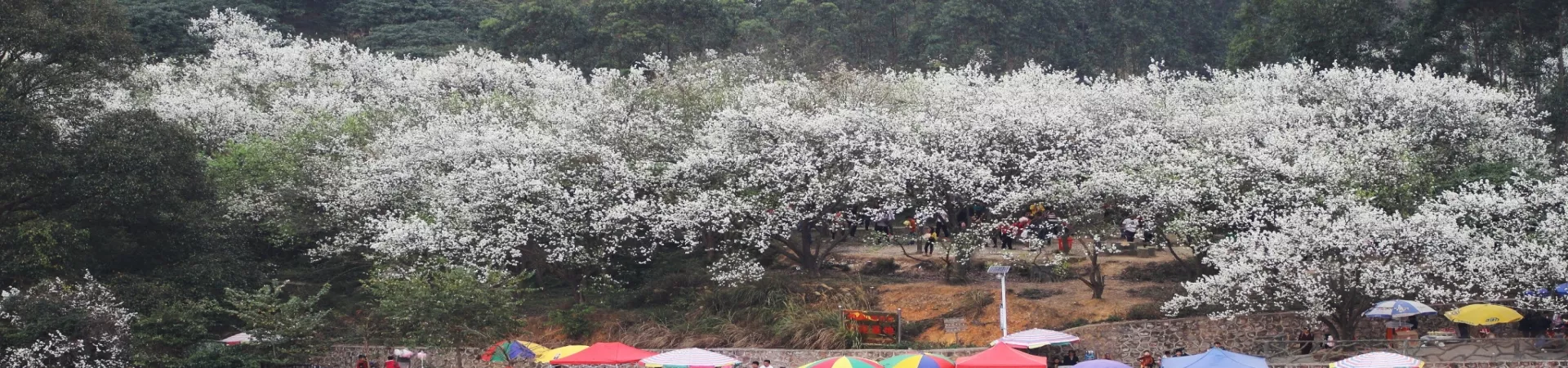
Subtitle: A Journey Through Porcelain Heritage and Floral Splendor in Qinzhou
1. Introduction: The Allure of Qinzhou's Porcelain and Pear Blossom Valley
Nestled within the verdant landscapes of Qinzhou, a coastal city in China's Guangxi Zhuang Autonomous Region, lies a unique destination where cultural heritage and natural beauty perform a harmonious duet: the Wan Yao Li Hua Gu, or the Porcelain Kiln and Pear Blossom Valley. This scenic area is far more than a simple park; it is a living tapestry woven from the threads of ancient industrial history and ephemeral springtime magic. It offers visitors a rare opportunity to delve into the legacy of traditional Chinese porcelain-making while being simultaneously captivated by the breathtaking spectacle of thousands of pear trees in full, resplendent bloom. The valley transforms with the seasons, presenting a serene, scholarly atmosphere amidst historical ruins for most of the year, which erupts into a vibrant, pastel-white wonderland each spring, drawing nature lovers, photography enthusiasts, and culture seekers alike.
2. Historical and Cultural Core: The Porcelain Kiln Legacy
2.1. Echoes of the Flame: The Ancient Kiln Sites The "Wan Yao" (Porcelain Kiln) component of the valley's name is its foundational bedrock. This area is historically significant as the site of ancient kilns that operated for centuries, producing distinctive ceramics. Walking through this section, visitors encounter the solemn ruins and remnants of these kilns. Tumbled brick structures, fragments of saggar pots (protective casings for ware during firing), and scattered porcelain shards silently narrate tales of fiery craftsmanship, diligent labor, and a thriving local industry that once connected Qinzhou to broader trade networks. These physical remnants provide a tangible link to the past, inviting contemplation on the technological and artistic endeavors of earlier generations.
2.2. The Ceramic Artistry of Qinzhou While the kilns themselves are now quiet, the spirit of porcelain lives on. The valley often serves as a cultural hub where the story of local ceramics is told. Through informational displays or occasional exhibitions, visitors can learn about the types of wares produced, the characteristic glazes, and the techniques employed by the potters of old. This context elevates the visit from a mere scenic outing to an educational experience, highlighting Qinzhou's role in China's rich ceramic history. It fosters an appreciation for the material culture that was born from the very earth and fire of this region.
3. The Natural Spectacle: A Symphony of Pear Blossoms
3.1. The Annual Floral Phenomenon If the kiln sites represent the valley's enduring soul, the pear blossoms are its annual, breathtaking heartbeat. The "Li Hua Gu" (Pear Blossom Valley) truly comes into its own from late February through March. During this period, the slopes and valleys are blanketed by an immense grove of pear trees bursting into flower. The blossoms create a mesmerizing sea of white, with petals so numerous they appear like delicate snow clinging to the branches. The air becomes perfumed with a subtle, sweet fragrance, and the gentle hum of bees provides a soothing soundtrack. This transformation is a powerful draw, symbolizing renewal and the exquisite beauty of nature's cycles.
3.2. Experiencing the Blossom Sea Navigating the valley during bloom time is an immersive experience. Well-maintained walking paths and trails meander through the orchards, allowing visitors to wander beneath canopies of flowers. Photographers find endless compositions in the interplay of light, shadow, and delicate petals. The sight is particularly stunning on sunny days when the white blossoms seem to glow against the blue sky, or on misty mornings when they emerge from the haze like a dreamscape. Designated viewing platforms often offer panoramic vistas of the floral "snow" covering the rolling hills, creating unforgettable memories and stunning visual captures.
4. Practical Information for Visitors
4.1. Planning Your Visit: Hours and Best Time To ensure a smooth experience, careful planning is recommended. The scenic area is open to visitors daily from 08:00 to 18:00, with last admission at 18:00. It is crucial to note that the iconic pear blossom season is relatively short and weather-dependent, typically peaking in early to mid-March. This period also coincides with the highest number of visitors. For a more tranquil experience focused on the historical kiln sites, autumn and winter offer pleasant weather and fewer crowds. Regardless of the season, arriving earlier in the day is advisable to make the most of the opening hours and softer light for photography.
4.2. Navigating the Valley and Amenities The terrain within the Porcelain Kiln and Pear Blossom Valley can involve gentle slopes and walking paths. Comfortable, sturdy footwear is highly recommended. While the natural setting is paramount, the scenic area usually provides basic visitor amenities such as restrooms, small rest areas, and sometimes local vendors offering snacks and drinks. However, it is prudent to carry water, sun protection (hats, sunscreen) during spring and summer visits, and perhaps a light rain jacket given changeable weather conditions. As always, respecting the environment by staying on marked paths and disposing of waste properly helps preserve the beauty and integrity of the site for all.
4.3. Location and Accessibility The valley is situated in the Qinbei District of Qinzhou City. It is most conveniently accessed by private vehicle or taxi from downtown Qinzhou, with the journey offering glimpses of the region's rural landscapes. While public transportation options might exist, they may require transfers and more time. Visitors are encouraged to check the latest local travel information or use updated navigation apps for the most accurate routing. Its location also makes it a viable day-trip destination when combined with other attractions in the Qinzhou area, which may include coastal spots or other cultural sites.