Former Residence of Feng Zicai
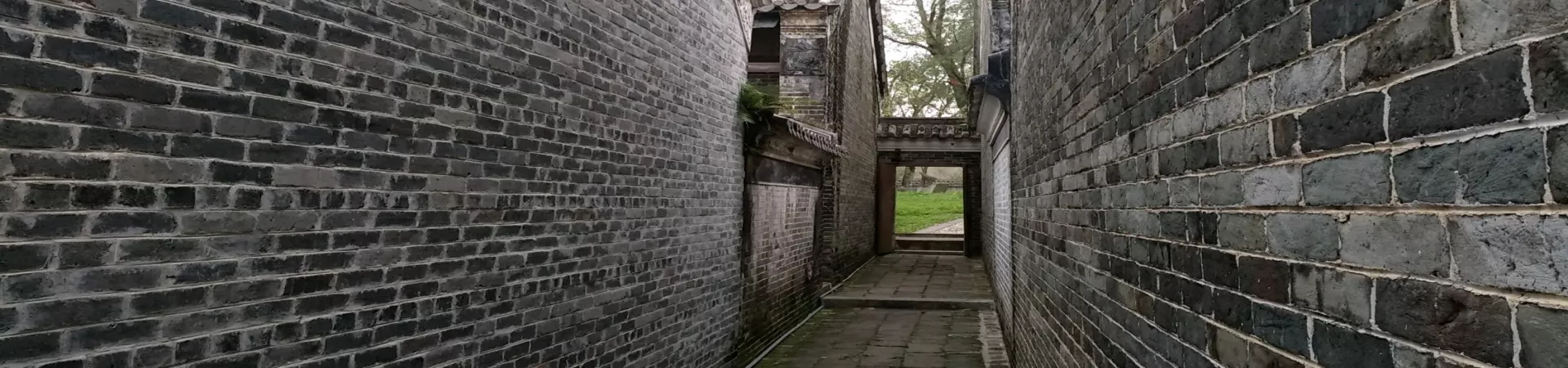
Subtitle: Exploring the Former Residence and Tomb of General Feng Zicai in Qinzhou
1. Introduction to the Site
Nestled approximately 13 kilometers northeast of downtown Qinzhou, in the Nibridge Village of Shabu Township, lies a site of profound historical and cultural significance: the Former Residence and Tomb of General Feng Zicai. This memorial complex, dedicated to one of China's revered military leaders from the late Qing Dynasty, offers visitors a serene and contemplative journey into the past. The location itself is strategically picturesque, situated on a small hillock surrounded by rolling green mountains, providing a tranquil and dignified setting befitting a national hero. The site serves not only as a final resting place but as a testament to General Feng's enduring legacy in Chinese history, particularly his crucial role in the Sino-French War (1883-1885). A visit here combines historical education with an appreciation for traditional Chinese tomb architecture and artistry, all set within a peaceful natural landscape.
2. Architectural and Artistic Grandeur of the Tomb
The centerpiece of the site is the meticulously constructed tomb of General Feng Zicai. Oriented north to south, the tomb complex covers an area of about 1,200 square meters and is a masterclass in traditional Chinese funerary architecture and stone carving.
2.1. The Main Tomb Structure The most striking feature is the tomb's roof, crafted from a single, massive slab of granite measuring two meters in length and half a meter in width. This slab is intricately carved to resemble the ornate屋檐 (eaves) of a traditional temple, immediately setting a tone of reverence and permanence. Beneath this protective granite eave, the front of the tomb stele is flanked by a pair of exquisitely carved stone columns, each adorned with coiling dragons. These dragons, symbols of power and guardianship in Chinese culture, are rendered with remarkable detail and dynamism.
2.2. The Ceremonial Forecourt and Stone Statuary Extending before the tomb are three broad ceremonial platforms, each measuring 5 by 6 meters, designed for rituals and paying respects. Guarding the approach to the tomb is a solemn and impressive array of stone sculptures, arranged in pairs on either side. These include statues of civil officials (文仕) and military officers (武将), symbolizing the general's balanced virtue of wisdom and valor. Further enhancing the protective and majestic atmosphere are pairs of lions, tigers, and horses. The lions represent power and prestige, the tigers symbolize military might and courage, and the horses denote speed, loyalty, and endurance. Each statue is notable for its harmonious proportions, lifelike造型 (modeling), and refined craftsmanship, showcasing the high skill of the artisans of the period.
2.3. Inscriptions and Symbolic Pillars Dominating the entrance to the tomb forecourt are eight distinctive lion-headed stone pillars, arranged in a row with four tall and four shorter ones. These pillars are not merely decorative; they are inscribed with a poignant couplet that encapsulates General Feng's legacy. The inscription reads: "万里干城,一方砥柱;寸心金石,万世馨香。" This translates to "A mighty wall defending vast frontiers, a pillar of strength for the nation; A heart firm as metal and stone, a fragrance of virtue for ten thousand generations." This poetic epitaph powerfully summarizes his role as the nation's bulwark and his unwavering, virtuous character, promising his memory will endure eternally.
3. Practical Visitor Information
To facilitate a smooth and informed visit, please note the following essential details regarding access and timing.
3.1. Admission and Opening Hours Admission to the Former Residence and Tomb of Feng Zicai is free of charge, making this historical site accessible to all visitors. The site is open daily from 9:00 AM to 4:50 PM. It is important to note that the last entry is at 4:50 PM, after which the gates are closed. This schedule is maintained throughout the year, from January 1st to December 31st.
3.2. Suggested Duration of Visit To fully appreciate the architectural details, explore the grounds, and reflect on the historical context, visitors should allocate approximately 1 to 3 hours for their visit. This allows for a leisurely pace to absorb the solemn atmosphere and examine the intricate stone carvings without feeling rushed.
4. Historical Context and Legacy
Understanding the man honored here deepens the visit's significance. Feng Zicai (1818-1903) was a celebrated Chinese military commander during the twilight years of the Qing Dynasty. He is best remembered for his decisive leadership and strategic brilliance during the Sino-French War, particularly in the crucial battles fought in the border regions of Guangxi and Vietnam. His victories, such as the Battle of Zhennan Pass (now the Friendship Pass), were pivotal in bolstering Chinese resistance against foreign aggression and are considered bright spots in a challenging period of Chinese military history. His former residence, associated with the tomb site, offers further insight into his life off the battlefield. While the architectural focus is often on the tomb, the residence area provides a glimpse into the personal world of the general, contextualizing him as both a national hero and a local figure. The entire site stands as a proud symbol of local and national heritage, preserving the memory of a man whose "heart firm as metal and stone" left an indelible mark on China's historical narrative.
Information last updated: January 8, 2023. Credit and thanks to contributor "离开西塘的石头姐" for editorial input.