Dalu Village Folk Customs Tourism Area
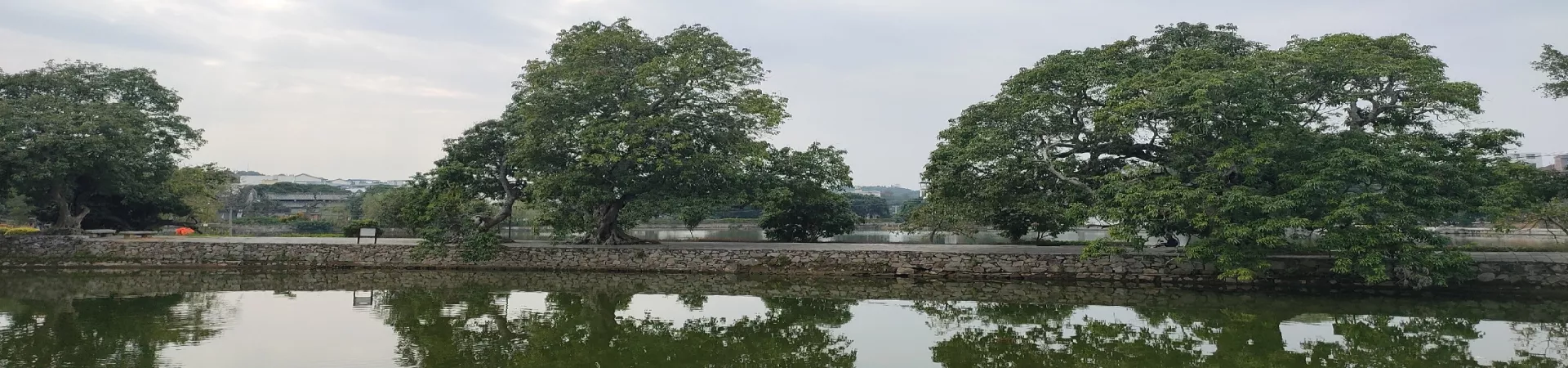
Subtitle: A Journey Through Time: Exploring the Ancient Charms and Living Traditions of Dalu Village
1. Introduction: The Soul of Qinzhou Nestled in the Qinbei District of Qinzhou, a coastal city in Guangxi Zhuang Autonomous Region, lies Dalu Village, a place where time seems to have stood still. More than just a scenic spot, it is a profound cultural sanctuary, often hailed as "The First Village of South China's Ancient Residential Architecture." For centuries, the village has been the ancestral home of the Lao clan, whose descendants have meticulously preserved not only an extraordinary complex of Ming and Qing dynasty mansions but also a unique, living cultural heritage. A visit here is not merely a tour; it is an immersive dialogue with history, architecture, clan culture, and the enduring spirit of rural China.
2. The Architectural Tapestry: Ming and Qing Grandeur The core of Dalu Village's allure lies in its breathtakingly well-preserved ancient architecture.
2.1. The Layout and Philosophy The village comprises several major residential groups, including Dongyuan Villa, Sangu Hall, Dushi Hall, and Erzu Hall. Their layout is a physical manifestation of traditional Chinese philosophical thought. Strictly following Feng Shui principles and Confucian codes of hierarchy and order, the complexes are organized along central axes. The structures reflect a clear distinction between primary and secondary, inner and outer, creating a harmonious and self-contained ecosystem that speaks volumes about the social structure and worldview of its original inhabitants.
2.2. Artistic Details and Symbolism Every corner of these mansions is adorned with exquisite artistry. Intricate wood carvings, majestic stone sculptures, and elegant brick reliefs decorate beam heads, door frames, and eaves. The motifs are rich with symbolism—bats for fortune, deer for prosperity, cranes for longevity, and lotus flowers for purity. These are not mere decorations; they are silent narratives of the clan's aspirations, values, and aesthetic pursuits, turning the architecture into an open book of folk art.
2.3. The Legacy of the Couplet Culture Dalu Village is famously known as "The Village of Couplets." This is its most distinctive cultural signature.
3.1. A Forest of Inscribed Wisdom Throughout the village, in main halls, study rooms, and even on pillars by doorways, you will find ancient, beautifully carved wooden couplets. Over 300 pairs have been preserved, some dating back more than 300 years. These are not generic poetic phrases but were specifically composed by the Lao clan ancestors to admonish and educate their descendants.
3.2. Themes and Moral Instruction The content of these couplets focuses on core values: emphasizing the importance of diligent study, advocating for frugality and integrity, promoting filial piety and respect for elders, and encouraging kindness towards neighbors. They served as a constant, visible moral code for generations, shaping the clan's character. Reading them today offers direct insight into the intellectual and ethical landscape of China's scholarly gentry class in centuries past.
4. Living Traditions and Folk Customs Beyond the static beauty of its buildings and texts, Dalu Village is a vibrant repository of intangible cultural heritage.
4.1. Seasonal Rituals and Festivals The village calendar is marked by traditional ceremonies, most notably during the Chinese New Year and the Zhongyuan Festival. Ancestral worship ceremonies are conducted with great solemnity, following ancient protocols that connect the present community with its lineage. These events are vibrant displays of devotion, featuring traditional music, offerings, and a deep sense of communal identity.
4.2. Folk Performances Visitors might be fortunate to witness captivating local performances. This includes Nanyin (Southern Tone), a classical musical art form known for its elegance, and Qinzhou Bay Opera, a lively local theatrical style with distinctive vocal techniques and costumes. These arts, passed down through generations, provide a dynamic soundtrack to the village's history.
4.3. Local Livelihood and Crafts While modern life has made inroads, glimpses of traditional livelihoods remain. You may observe locals engaged in age-old crafts or agricultural practices. The surrounding landscape of lush hills and fields is integral to the village's Feng Shui and self-sustaining past, offering a serene backdrop and a chance to appreciate the harmonious relationship between the community and its natural environment.
5. Practical Information for Your Visit To fully appreciate Dalu Village, a bit of planning is helpful.
5.1. Opening Hours and Access The village is open to visitors daily. The operating hours are from 8:30 AM to 5:30 PM, with the last admission at 5:00 PM. It is advisable to arrive with sufficient time to explore the extensive complexes at a leisurely pace. Qinzhou city is accessible by rail and road, with local buses or taxis providing the final connection to the village.
5.2. Experiencing the Village To truly connect with the essence of Dalu, move beyond passive observation. Take time to decipher the couplets, imagine the daily life in the courtyards, and engage respectfully with local residents or guides who can share personal stories. The village is particularly atmospheric in the soft light of early morning or late afternoon. Allow at least half a day to wander its ancient pathways, absorb its scholarly ambiance, and witness the seamless blend of monumental history and quiet, ongoing life.