72 Jing
Subtitle: A Labyrinth of Islands and Waterways – Qinzhou’s Hidden Coastal Gem
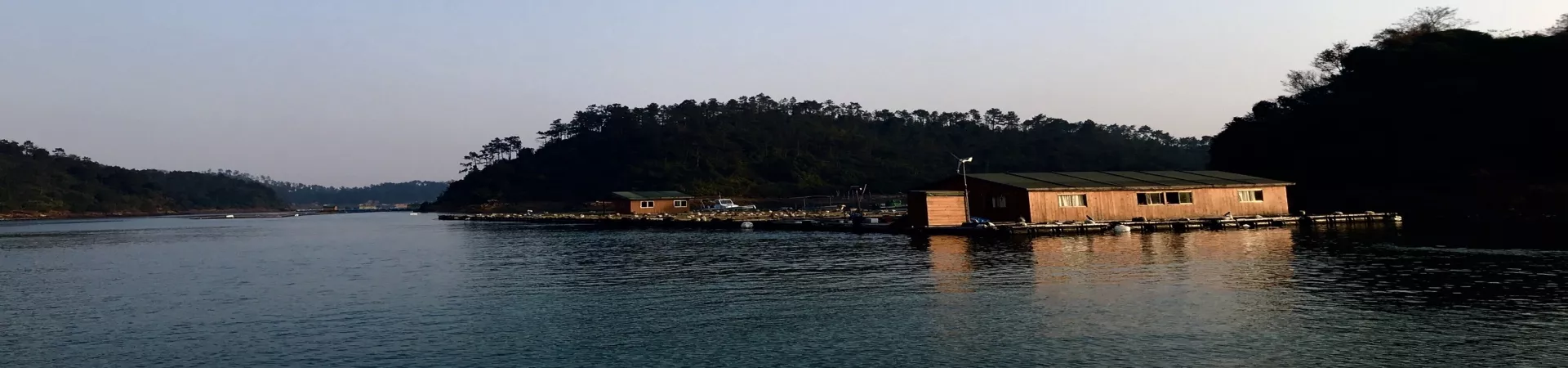
Introduction: The Mystique of the Seventy-Two Bays Nestled along the coast of Qinzhou in the Guangxi Zhuang Autonomous Region, the Seventy-Two Bays (Qishier Jing) presents one of China’s most captivating and unique coastal landscapes. Far from the typical expansive ocean vista, this destination offers an intricate and serene world where land and sea perform a delicate dance. The name "Seventy-Two" is a traditional Chinese expression denoting abundance rather than an exact count, hinting at the countless winding waterways that snake between a lush archipelago of over one hundred small islands. This vast network of calm, emerald-green channels, set against a backdrop of rich greenery and peculiar karst rock formations, creates a scene of tranquil beauty often likened to a "maze on the sea" or a "waterborne Li River." It is a place for leisurely exploration, cultural discovery, and profound connection with a less-traveled facet of China’s southern coastline.
Section 1: Navigating the Labyrinth – The Core Experience 1.1. The Landscape: A Waterborne Masterpiece The fundamental experience of the Seventy-Two Bays is defined by its hydrological and topographical artistry. Formed by the submergence of a ancient river valley, the area features a stunningly complex coastline. Countless narrow inlets (the "Jing") penetrate deep into the land, while a myriad of islands—some sizable, others mere rocky outcrops—dot the seascape. The waters are typically calm and sheltered, reflecting the dense mangrove forests and oddly shaped hills that line the shores. This creates a constantly shifting panorama where the view changes with every turn of the boat, offering endless opportunities for photography and quiet contemplation.
1.2. Primary Activities: Boat Tours and Island Hopping The only practical way to immerse oneself in the heart of the Bays is by water. * Organized Boat Tours: The most common and convenient method. These tours, departing from designated piers in Qinzhou, guide visitors through the most scenic sections of the waterways. Knowledgeable guides often narrate the journey, pointing out notable rock formations resembling animals or mythical figures and sharing local legends. * Private Charter: For families or small groups seeking a more flexible and intimate experience, chartering a smaller vessel allows for customizing the route, pausing at will for photos, or venturing into quieter channels. * Key Highlights En Route: A typical voyage might pass by or stop at islands known for their specific features, such as dense ecological preserves, small temples, or particularly impressive geological structures.
Section 2: Practical Information for Visitors 2.1. Duration of Visit To truly appreciate the scale and beauty of the Seventy-Two Bays, a significant time commitment is recommended. A standard boat tour can last over three hours. Visitors opting for private charters or planning to combine the boat trip with a more thorough exploration of specific islands, nearby attractions like the Sanjiang Kou (Three Rivers Estuary), or the adjacent Qinzhou Port area should allocate at least half a day to a full day for a comprehensive experience.
2.2. Ticketing and Fees There is no single "entrance fee" to the vast Seventy-Two Bays area itself. Costs are primarily associated with transportation and specific island attractions. * Boat Tour Tickets: The essential expense is the boat tour fee. Prices vary depending on the type of boat (larger shared tour boat vs. private charter), the duration of the tour, and the specific route covered. * Island Attractions: Some individual islands within the Bays may have separate, small entrance fees if they maintain developed walking paths, viewing pavilions, or cultural sites. * Consultation Advised: It is highly recommended to inquire about the latest detailed pricing and package options directly with the scenic area or local tour operators. This ensures clarity on current rates, available tour schedules, and what is included in the price.
2.3. Operating Hours The Seventy-Two Bays, as a natural coastal area, is accessible 24 hours a day, every day of the year. However, this refers to general access to the region. Practical visitation is governed by the operating hours of key services: * Boat Tour Operations: This is the critical factor. Scheduled boat tours have specific departure times, typically operating during daylight hours for safety and optimal viewing. The last departures often occur in the mid-to-late afternoon. Private charters may offer more flexibility but are also subject to daylight and weather conditions. * Best Time to Visit: Daylight hours are obviously essential for sightseeing. Early morning tours can offer misty, ethereal views, while afternoon light enhances the colors of the water and foliage.
Section 3: Enhancing Your Journey – Context and Tips 3.1. Ecological and Economic Significance Beyond its scenic value, the Seventy-Two Bays is a vital ecological zone and an economic hub. The extensive mangrove forests lining the waterways serve as crucial nurseries for marine life, help purify water, and protect the coastline from erosion. The area is also integral to Qinzhou’s modern development, with the deep-water Qinzhou Port being a key component of the New International Land-Sea Trade Corridor. Observing the harmonious coexistence of pristine nature and strategic infrastructure adds a fascinating layer to the visit.
3.2. Cultural Connections The history of the Bays is intertwined with local maritime culture. It has been a shelter for fishing boats for centuries. Nearby, visitors can explore the Ancient Qisha Road, a historical pathway, and the Liu Yong’s Former Residence, dedicated to a famous local Qing Dynasty official and calligrapher. Combining a boat trip with these cultural sites provides a richer understanding of Qinzhou’s heritage.
3.3. Travel Recommendations * Best Seasons: Spring (March-May) and Autumn (September-November) offer the most pleasant weather, with comfortable temperatures and lower humidity. Summer can be hot and rainy, though the greenery is lush; winter is mild but can be foggy. * Preparation: Sun protection (hat, sunscreen, sunglasses) is essential on the water. Bring water, and consider motion sickness medication if you are prone to it, although the waters are generally calm. A light rain jacket can be useful due to unpredictable coastal weather. * Combination Trips: Efficiently plan your day by linking the Seventy-Two Bays tour with other Qinzhou attractions, such as the Qinzhou Old Street for local snacks and souvenirs or the Bama Yao Autonomous County further inland for renowned longevity villages.