Baojing Palace
Subtitle: A Journey Through Time and Stone: Unveiling the Wonders of Baojing Palace in Qingyuan
Introduction Nestled within the Yanziyan Mountain Range, approximately 7.2 kilometers south of Yingde City in Qingyuan, Guangdong, lies Baojing Palace (宝晶宫), a sprawling 9-square-kilometer scenic area that masterfully blends breathtaking natural karst formations with profound historical depth. More than just a single cave, it is a comprehensive geological and cultural park, offering visitors an immersive experience into a subterranean world of artistic wonder and a landscape dotted with historical echoes. This destination promises not only visual spectacle but also a tangible connection to millennia of natural history and human activity, making it a standout attraction in South China.
1. The Core Attractions: A Tapestry of Nature and Culture The Baojing Palace area is systematically divided into six main components, each offering a distinct facet of its charm.
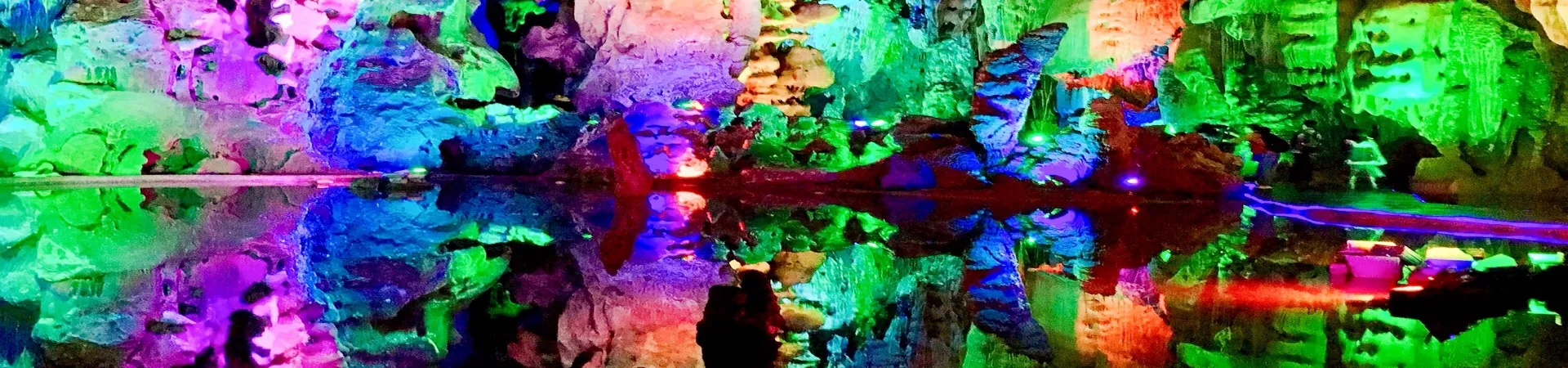
1.1. The Crown Jewel: Baojing Palace Karst Cave The namesake and centerpiece of the area is the magnificent Baojing Palace Karst Cave. Carved into the mountainside, this colossal cave spans over 30,000 square meters, holding the title of the largest karst cave in Guangdong province. Its reputation is well-earned. Inside, visitors are greeted by a fantastical realm of over a hundred stalactites and stalagmites, each shaped by the patient drip of water over countless centuries. These formations are celebrated for their astonishing variety, lifelike appearances, and majestic scales, often described as majestic, peculiar, and magnificent. The intricate stone draperies, towering pillars, and delicate helictites create a naturally sculpted palace that justifies its revered nickname, "The Premier Cave Heaven of Lingnan."
1.2. The Historical & Scenic Complements Surrounding the main cave are other significant sites that enrich the visit: * Biluodong (碧落洞): This site holds the ruins of a millennia-old Taoist temple, offering a serene counterpoint to the grandeur of the main cave and providing insight into the region's spiritual history. * Swan Lake (天鹅湖): A tranquil body of water that reflects the lush greenery and karst peaks, perfect for a moment of peaceful contemplation and photography. * Lion Mountain (狮子山): A rock formation whose shape resembles a resting lion, adding a touch of playful recognition to the natural landscape. * Ying Stone Garden (英石园): A dedicated area showcasing Yingde Stone, a unique and highly prized type of limestone ornamental rock famous for its intricate textures and shapes, central to local cultural heritage. * Cliff Inscription Complex (摩崖石刻群): These ancient carvings on cliff faces serve as a tangible historical record, with inscriptions from various dynasties that whisper stories of past visitors and scholars.
2. A Layer of Human History Beyond the immediate geological splendor, Baojing Palace is a site of significant archaeological importance. The area encompasses a Paleolithic site dating back approximately 100,000 years, providing crucial evidence of early human activity in the region. Furthermore, the preserved Laodiwan Qing Dynasty residential houses offer a glimpse into the architectural styles and living conditions of a more recent historical period. These elements transform the park from a natural sightseeing spot into an open-air museum of human habitation and cultural development.
3. Practical Information for Visitors
3.1. Tickets and Operating Hours * Primary Ticket (Baojing Palace Cave): * Standard Fee: 76 RMB. * Concession Fee: 45 RMB. This applies to minors under 16 years old or with a height between 1.2m and 1.5m, and seniors aged 60 and above (with valid ID). * Free Admission: Children under 1.2 meters in height. * Opening Hours: The scenic area is open daily from 8:30 AM to 6:00 PM throughout the year. * Important Note: The above ticket prices and hours are for reference. It is always advisable to check for the latest information directly with the scenic area on the day of your visit, as details may be subject to change.
3.2. Planning Your Visit * Suggested Duration: To fully appreciate the main cave and explore at least a couple of the surrounding sites at a comfortable pace, a minimum of 3 hours is recommended. Visitors with a deep interest in geology, history, or photography may wish to allocate half a day or more. * Contact: For the most current inquiries, you can contact the scenic area at 0763-2219999.
4. The Overall Experience A trip to Baojing Palace is a multi-sensory journey. It begins with the awe-inspiring descent into the cool, vast chambers of the karst cave, where imaginative rock formations are highlighted by strategic lighting. Emerging back into the sunlight, the exploration continues through a culturally rich landscape—from the quiet dignity of ancient Taoist ruins and the scholarly aura of cliff inscriptions to the picturesque calm of Swan Lake. The presence of the Paleolithic site adds a profound layer of timelessness, reminding visitors that this landscape has been a focal point for awe and sustenance for eons. It is this powerful combination of natural grandeur and enduring human history that cements Baojing Palace's status as a must-visit destination in Guangdong, offering a compelling narrative written in stone, water, and time.