May Fourth Square
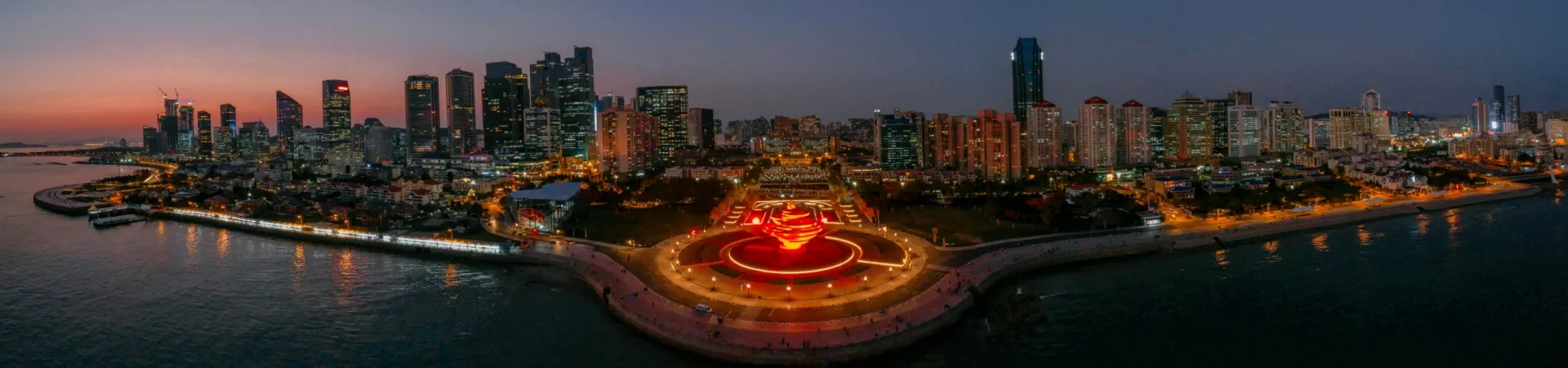
May Fourth Square: The Heartbeat of Modern Qingdao
Nestled between the seat of municipal power and the shimmering waters of Fushan Bay, May Fourth Square is not merely a public space; it is the symbolic and spiritual core of contemporary Qingdao. Its name, echoing the monumental "May Fourth Movement" of 1919, anchors it firmly in China's modern historical narrative, while its sweeping design and artistic installations propel it into the present as a vibrant urban landmark. Stretching 700 meters north to south, this expansive plaza masterfully blends open lawns, dynamic fountains, and profound sculpture into a cohesive and inspiring modern landscape, offering visitors a place for reflection, recreation, and connection with the city's pulse.
A Legacy Cast in Steel and Stone: The Historical Significance
The square's very identity is a tribute to a pivotal moment. The May Fourth Movement, ignited in 1919 by patriotic students and intellectuals protesting the Treaty of Versailles, marked a profound awakening of national consciousness and a push for modernization. Naming this central square in its honor ensures that the spirit of patriotism, democracy, and scientific advancement associated with the movement remains a visible, tangible part of Qingdao's urban fabric. The square, therefore, is more than a scenic spot; it is an open-air monument to the city's and the nation's journey through the 20th century.
Architectural Harmony and Artistic Vision: Navigating the Square's Layout
The square is strategically divided into northern and southern sections, connected by a powerful central axis that guides the visitor's experience.
The Northern Section: Civic Grandeur Adjacent to the Qingdao Municipal Government building, this area establishes a tone of order and stability. Wide pedestrian walkways and structured green spaces create a formal, yet accessible, environment that seamlessly integrates the administrative heart of the city with the public realm.
The Southern Axis: The Pulse of the Plaza The true soul of the square unfolds along its central spine, leading towards the sea. This axis is a carefully choreographed sequence of spaces designed for engagement and contemplation.
The Central Sculpture: "Wind of May" Dominating the axis and serving as the square's undisputed icon is the magnificent sculpture "Wind of May" ("Wuyue de Feng"). This towering, spiraling structure of vibrant red steel is a masterpiece of abstract art. Its dynamic, upward-twisting form resembles both a raging flame and a powerful whirlwind, vividly embodying the fervent, transformative energy of the historical movement it commemorates. It stands as a bold statement of resilience, progress, and soaring aspiration, offering a breathtaking focal point against the backdrop of sky and sea.
Transition to the Sea: Fountains and Fushan Bay Progressing southward, the axis incorporates large-scale fountain complexes. These are not merely decorative; they provide a lively, interactive element, with water displays that change in pattern and intensity, delighting children and adults alike, especially in the warmer months. The axis culminates at the edge of Fushan Bay, where the panoramic view opens up dramatically. Here, the modern cityscape meets the natural beauty of the coastline, with the vast Yellow Sea stretching to the horizon. This seamless integration of urban design with the maritime environment is a quintessential Qingdao experience.
A Living Urban Space: Activities and Atmosphere
May Fourth Square is a hub of daily life and celebration. By day, it's a place for leisurely strolls, family picnics on the vast lawns, and flying kites in the coastal breeze. Photographers are drawn to the striking contrast between the red sculpture, blue skies, and sea. As evening falls, the square undergoes a magical transformation. The "Wind of May" and surrounding buildings are illuminated, creating a spectacular nocturnal landscape. The fountains often feature colorful light shows synchronized to music, drawing crowds of spectators. It is also a preferred gathering point for major public events, festivals, and national celebrations, truly living up to its role as the city's premier public forum.
Essential Visitor Information
- Admission: The square is a public, open-access area. Admission is completely free.
- Opening Hours: The square is accessible 24 hours a day, every day of the year. The lighting displays for sculptures and fountains typically operate during evening hours.
- Recommended Visit Duration: To fully appreciate the square's scale, art, and atmosphere, plan to spend between 1 to 3 hours. This allows time to walk its length, admire the details, relax by the bay, and perhaps enjoy the evening lights.
- Getting There: The square is centrally located and well-served by public transport.
- By Bus: Multiple bus lines stop nearby. The most direct is taking Bus 317 and alighting at the "Wusi Guangchang" (May Fourth Square) stop. Alternatively, you can take Bus 25, 26, 31, 202, 304, 316, or 318 to the "Shizhengfu" (Municipal Government) stop and walk south for a few minutes to reach the northern end of the square.
- Contact: For specific inquiries regarding scheduled fountain shows or events, you can call the general information line at 0532-83886355.