Little Qingdao
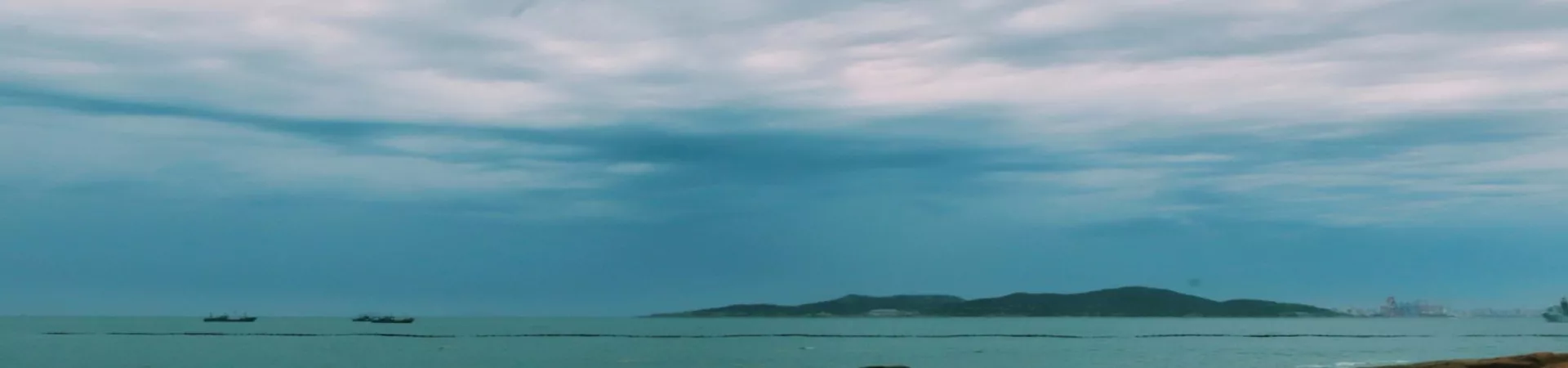
A Visitor's Guide to Xiaoqingdao (琴岛): The "Lute Island" of Qingdao
Nestled at the southern tip of Qingdao's Shinan District, where the clear waters of the Yellow Sea meet the mouth of Jiaozhou Bay, lies a small, picturesque island known as Xiaoqingdao. Its name, meaning "Little Qingdao," belies its significant cultural and scenic stature. More poetically, it is celebrated as "Qin Dao" or "Lute Island," a name derived from its unique shape, which, when viewed from above, resembles an ancient Chinese guqin (a seven-stringed zither) resting gracefully upon the waves. This tiny island, covering a mere 0.024 square kilometers, is far more than a geographical feature; it is an enduring symbol of Qingdao's charm, blending natural beauty, historical maritime significance, and lyrical romance into one captivating destination.
Historical Significance & The Iconic Lighthouse
Xiaoqingdao's history is intrinsically linked to its role as a sentinel for maritime navigation. For centuries, its strategic location made it a crucial landmark. This function was permanently cemented in 1900 with the construction of the island's most defining structure: the Xiaoqingdao Lighthouse. Standing 15.5 meters tall at the island's highest point, this elegant, octagonal white tower is a masterpiece of German engineering and architectural design from the colonial period. Built from marble and adorned with exquisite stone carvings, it transcends its utilitarian purpose to become a work of art.
For over a century, its powerful beam has cut through fog and darkness, guiding countless vessels safely to shore. The lighthouse is not merely a relic; it remains an active aid to navigation under the management of China's maritime safety authorities, representing a perfect fusion of historical heritage and ongoing utility. Its pristine white form against the backdrop of blue sky and sea provides one of the most photographed vistas in Qingdao.
The Enchantment of "琴屿飘灯" (Qin Isle Floating Lights)
While beautiful by day, Xiaoqingdao transforms into a scene of magical reverie at night, offering what is widely considered one of the "Ten Great Scenes of Qingdao." This phenomenon is known as "琴屿飘灯" (Qín Yǔ Piāo Dēng), which translates to "Floating Lights on the Lute Isle."
As dusk falls, the lighthouse's signal changes from a sweeping white beam to a steady, warm red glow. Simultaneously, the lights along the iconic Zhanqiao Pier, which stretches into the sea towards the island, begin to twinkle. Their reflections, along with the red beacon of the lighthouse, dance and shimmer upon the undulating dark waves. From the shore, particularly from the vantage point of Luxun Park or the bayside roads, the effect is mesmerizing. The distant lights appear to float and drift upon the ink-black sea, creating a poetic and almost ethereal tableau that has captivated artists, photographers, and visitors for generations. This nightly spectacle solidifies Xiaoqingdao's status as a quintessential emblem of the city.
A Serene Island Park: Flora and the "Lute Maiden"
Today, Xiaoqingdao is accessible via a slender, 377-meter-long causeway, welcoming visitors as a tranquil seaside park. The island's landscape has been carefully cultivated to enhance its natural serenity. The primary vegetation consists of robust and wind-resistant Japanese black pines, whose twisting forms and evergreen foliage provide year-round texture and a distinctive coastal character. Interspersed among them are seasonal flowering plants, adding splashes of color—from the delicate blossoms of spring to the vibrant hues of autumn—creating a constantly changing palette against the perennial blue of the sea.
At the relatively flat southern end of the island, visitors will find a small, peaceful plaza. Here, the island's lyrical namesake is given human form in the elegant "琴女" (Qín Nǚ) or "Lute Maiden" sculpture. The statue depicts a graceful young woman, seated and holding an ancient guqin, her gaze thoughtfully turned towards the endless ocean. She seems to be drawing inspiration from the sound of the waves, or perhaps her silent music is what brings harmony to the scene. This sculpture adds a layer of mythological and artistic depth to the island, inviting contemplation and connecting the landscape directly to its musical identity.
Practical Information for Your Visit
Getting There The island is conveniently located near the heart of Qingdao's scenic coastal strip. The most straightforward approach is to take public bus routes 202, 214, 228 Loop, 231, or 26 and alight at the "Luxun Park" station. From there, a short and pleasant stroll along the shoreline will lead you to the entrance of the causeway to Xiaoqingdao.
Admission and Opening Hours One of the great advantages of visiting Xiaoqingdao is that it is free of charge to enter, making it an accessible attraction for all travelers.
The park operates on seasonal hours: * April 1st to October 31st: 7:30 AM – 6:30 PM * November 1st to March 31st: 7:30 AM – 5:30 PM (Last admission at 5:30 PM)
It is always advisable to double-check the latest information before your visit, as schedules can occasionally change.
Suggested Duration A visit to Xiaoqingdao can be tailored to your pace. To fully appreciate the lighthouse, stroll the winding paths, enjoy the sea views from different angles, contemplate the Lute Maiden sculpture, and perhaps simply sit and listen to the waves, a visit of 1 to 3 hours is recommended. It serves as a perfect complement to a day exploring the nearby Zhanqiao Pier, Naval Museum, and Luxun Park.
In essence, Xiaoqingdao is a microcosm of Qingdao's appeal. It offers a quiet respite from the urban bustle, a lesson in maritime history, a breathtaking panoramic view, and a touch of poetic legend—all contained on a small island shaped like a timeless musical instrument.