Yixing Wanfo Temple
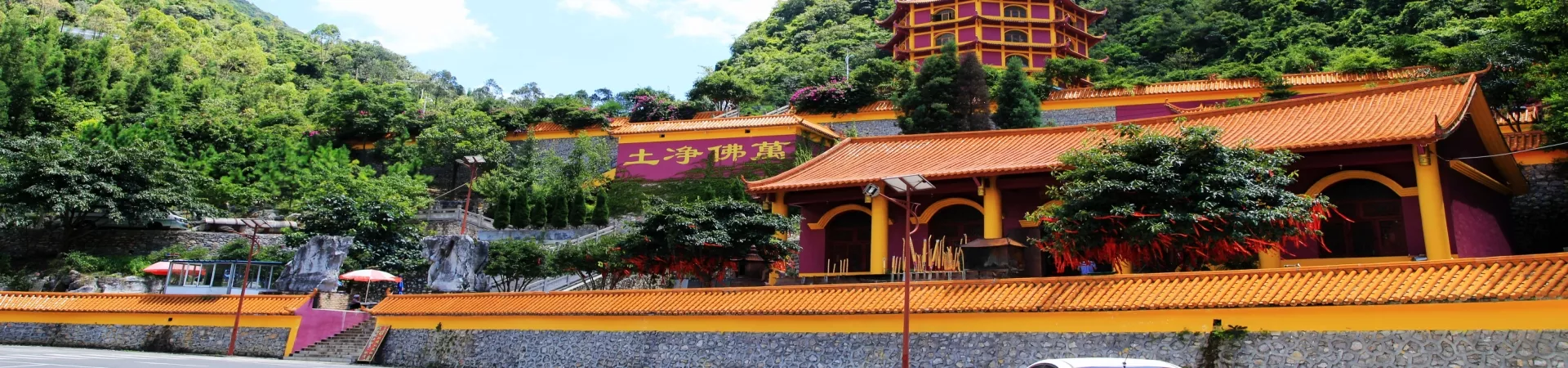
Subtitle: A Journey into the Heart of a Mountain: Exploring Wanfo Temple, a Sanctuary of Serenity in Qianxinan
1. Introduction: Where Nature and Devotion Converge
Nestled within the breathtaking karst landscape of Qianxinan Buyei and Miao Autonomous Prefecture in Guizhou Province, China, lies a place of profound spiritual significance and unparalleled natural beauty: Wanfo Temple, or the Temple of Ten Thousand Buddhas. Unlike any conventional monastery, Wanfo Temple is a magnificent fusion of human devotion and geological wonder. It is not built upon the land but carved into its very soul, residing within a colossal natural cave that seamlessly integrates with the world-famous Wanfenglin (Ten Thousand Peak Forest) scenery. This unique characteristic elevates it from a mere religious site to a sublime experience where architecture, art, and the raw power of nature exist in harmonious dialogue. As one of the most significant centers for Buddhist activities across the tri-border region of Guizhou, Yunnan, and Guangxi, the temple offers visitors a rare opportunity to witness living faith within an awe-inspiring subterranean world.
2. A Legacy Carved in Stone: History and Reconstruction
2.1. Origins and Tribulation The spiritual history of this site traces its roots back to the Ming Dynasty (1368-1644 AD), when the original temple was first established. For centuries, it served as a beacon for pilgrims and monks amidst the dramatic peaks. However, the forces of nature that created its home also posed a threat. Historical records indicate that the initial temple structures were tragically destroyed by flooding, a reminder of the dynamic and powerful environment in which it resides.
2.2. Renaissance and Reopening The temple that visitors encounter today is a testament to resilience and enduring faith. It is a complete reconstruction, meticulously planned and executed to revive the sacred site. After years of dedicated work, Wanfo Temple was triumphantly reopened to the public and devotees in 2007. This rebirth preserved the sacred function of the location while allowing for careful consideration of visitor access and preservation within the fragile cave ecosystem. The modern temple honors its historical legacy while providing a restored and accessible sanctuary for the 21st century.
3. The Subterranean Sanctuary: Architectural and Spiritual Layout
The true marvel of Wanfo Temple lies within the cavern itself. The cave is astonishingly vast, with a capacity to hold over ten thousand people, creating a naturally formed cathedral of immense scale. Within this cool, echoing space, the architectural layout follows traditional Buddhist temple planning, with halls and worship spaces ingeniously arranged to fit the contours of the cave.
3.1. Halls of Veneration The main devotional areas are dedicated to key figures in Buddhist cosmology: * The Grand Hall (Daxiong Baodian): Typically the heart of any Buddhist temple, this hall houses statues of Sakyamuni Buddha, the historical founder of Buddhism, often flanked by other important disciples or bodhisattvas. * The Maitreya Hall (Mile Dian): Dedicated to Maitreya Buddha, the Buddha of the Future, who is often depicted in a joyful, welcoming posture. * The Guanyin Hall (Guanyin Dian): A hall devoted to Guanyin (Avalokitesvara), the Bodhisattva of Compassion and Mercy, one of the most revered figures in East Asian Buddhism. * The Ksitigarbha Hall (Dizang Dian): This hall honors Ksitigarbha Bodhisattva, renowned for his vow to save all beings in the hell realms and for guiding souls through the afterlife.
3.2. Supporting Facilities Integrated discreetly within the cave complex are functional spaces that support the monastic community and visitors, including a dining hall (zhaitang) for vegetarian meals and a reception hall (ketang).
3.3. The Natural Canvas Beyond the man-made structures, the cave itself is a gallery of natural art. Stalactites and stalagmites form spectacular, whimsical shapes—some resembling mythical beasts, others echoing the forms of flowing drapery or ancient trees. These natural formations are often subtly highlighted, allowing visitors to contemplate the slow, majestic artistry of water and mineral over millennia.
4. Practical Information for the Visitor
4.1. Location and Integration Wanfo Temple is situated to the southeast of Xingyi City's urban center. Its location is not just adjacent to but is an integral part of the Wanfenglin Scenic Area. A visit to the temple naturally complements a tour of the forest of limestone peaks, making it a essential dual destination for those interested in both natural wonders and cultural heritage.
4.2. Admission and Hours In a welcoming gesture, admission to Wanfo Temple is free of charge. The site is officially listed as open 24 hours a day, every day of the year. This round-the-clock access underscores its role as an always-available place of worship and contemplation.
4.3. Suggested Duration and Contact To fully appreciate the scale of the cave, the intricate details of the statues, and the serene atmosphere, a visit of 1 to 3 hours is recommended. For specific inquiries, especially regarding large group visits or religious ceremonies, the temple can be contacted via telephone at 0859-3374058 or 0859-3342299.
Please Note: The information provided above is for reference purposes. Operational details such as opening hours, access to specific areas, or event schedules are subject to change. It is always advisable to check for any updates or announcements from the scenic area management on the day of your intended visit.