Xianahui Village
Subtitle: A Journey into the Heart of Guizhou's Countryside
Introduction: The Allure of Xi'anahui Village
Nestled within the breathtaking landscape of Qianxinan Buyi and Miao Autonomous Prefecture in Guizhou Province, China, lies the serene and captivating Xi'anahui Village. More than just a dot on the map, this village represents a portal into a slower, more harmonious way of life, where traditional Buyi culture thrives amidst a backdrop of stunning natural beauty. Part of the larger Wanfenglin (Ten Thousand Peak Forest) scenic area, Xi'anahui offers visitors a chance to escape the urban frenzy and immerse themselves in pastoral tranquility, authentic ethnic experiences, and awe-inspiring vistas that seem to belong to a classical Chinese painting.
Section 1: The Natural Canvas – Landscape and Scenery
1.1. The Embrace of Wanfenglin Xi'anahui's most defining feature is its location. The village sits gracefully in a vast basin surrounded by the karst peaks of Wanfenglin. These limestone formations, rising abruptly from the flat fields, create a dramatic and mystical landscape that changes character with the light—from ethereal in the morning mist to sharply defined under the midday sun, and finally to serene silhouettes at dusk. The village itself is a patchwork of vibrant green rice paddies and fields, meticulously tended by local farmers, reflecting the sky and peaks like a natural mosaic.
1.2. The Lifeblood: Rivers and Waterways A network of gentle streams and the larger Nahui River meanders through the village. These waterways are not merely scenic; they are the lifeblood of the agricultural community. Ancient water wheels, turned by the persistent flow, stand as timeless symbols of rural ingenuity. The soothing sound of flowing water provides a constant, calming soundtrack to village life, and the rivers' edges are perfect spots for quiet contemplation or a leisurely stroll.
Section 2: The Cultural Heart – People and Traditions
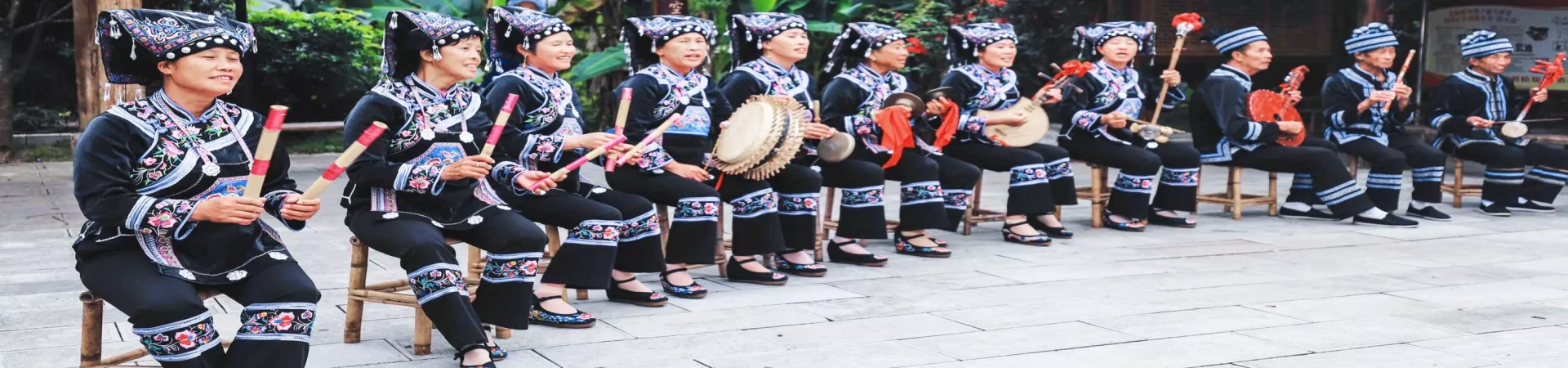
2.1. The Buyi Ethnic Heritage Xi'anahui is primarily inhabited by the Buyi people, one of China's 56 ethnic groups. Their rich cultural heritage is palpable in everyday life. Visitors can observe the distinctive architectural style of the traditional stilted wooden houses (Diaojiaolou), often built over water or on slopes, with their grey-tiled roofs and intricate wooden carvings. The preservation of these structures offers a tangible connection to centuries-old building techniques adapted perfectly to the local environment.
2.2. Authentic Local Encounters The true charm of Xi'anahui lies in its unhurried pace and the genuine warmth of its residents. It is common to see villagers going about their daily routines—washing vegetables in the stream, weaving bamboo baskets, or tending to water buffaloes in the fields. Engaging with locals, though it may require a friendly smile or simple gestures, can be a profoundly rewarding experience. The village market, when in session, is a hub of activity and color, showcasing local produce, handicrafts, and the distinctive indigo-dyed fabrics and embroideries for which the Buyi are renowned.
Section 3: The Visitor Experience – Activities and Immersion
3.1. Active Exploration: Cycling and Hiking The flat terrain of the basin and the network of small paths between fields make Xi'anahui an ideal destination for exploration by bicycle. Renting a bike is highly recommended, allowing for freedom to discover hidden corners, remote farmsteads, and perfect vantage points for photography. For the more adventurous, hiking trails lead into the surrounding peaks, offering panoramic views of the village nestled among the endless karst formations. A walk or ride to the nearby observation deck for a sunrise or sunset over Wanfenglin is an absolute must.
3.2. Culinary and Artistic Discoveries The local cuisine is a highlight, featuring fresh, farm-to-table ingredients. Specialties include Buyi-style sticky rice dishes, fish from the clear streams, locally smoked bacon, and colorful rice cakes. Small family-run restaurants offer a chance to savor these authentic flavors. Furthermore, the village has attracted a number of artists and boutique inn owners who have renovated old houses into charming guesthouses, cafes, and studios. These establishments blend seamlessly with the traditional environment while offering comfortable amenities and spaces to appreciate local and contemporary art inspired by the landscape.
Section 4: Practical Information for Your Visit
4.1. Admission and Opening Hours A significant advantage of visiting Xi'anahui Village is its accessibility. The village itself does not charge an entrance fee, allowing visitors to explore its public paths, fields, and waterways freely. The surrounding Wanfenglin area may have designated viewing platforms or specific zones with separate ticketing, but the core village experience is open. * Admission Fee: Free access to the village area. * Opening Hours: The village is accessible 24 hours a day, every day of the year.
Important Note: Please be advised that the above practical information is for reference only. It is always recommended to check for any updates or changes with local authorities or your accommodation on the day of your visit, as operational details can be subject to change.
4.2. Planning Your Stay To fully appreciate the rhythm of Xi'anahui, consider staying overnight in one of the village's guesthouses. Waking up to the misty peaks and the sounds of the countryside is an unforgettable experience. The village is accessible from Xingyi City, the prefectural capital, by bus or taxi in about an hour. The best times to visit are spring (March-May) when the fields are lush and green, and autumn (September-November) during the harvest season, with clear skies and golden hues. Regardless of the season, Xi'anahui promises a profound sense of peace and a deep connection with a beautifully preserved corner of rural China.