Nanlong Bouyei Ancient Village
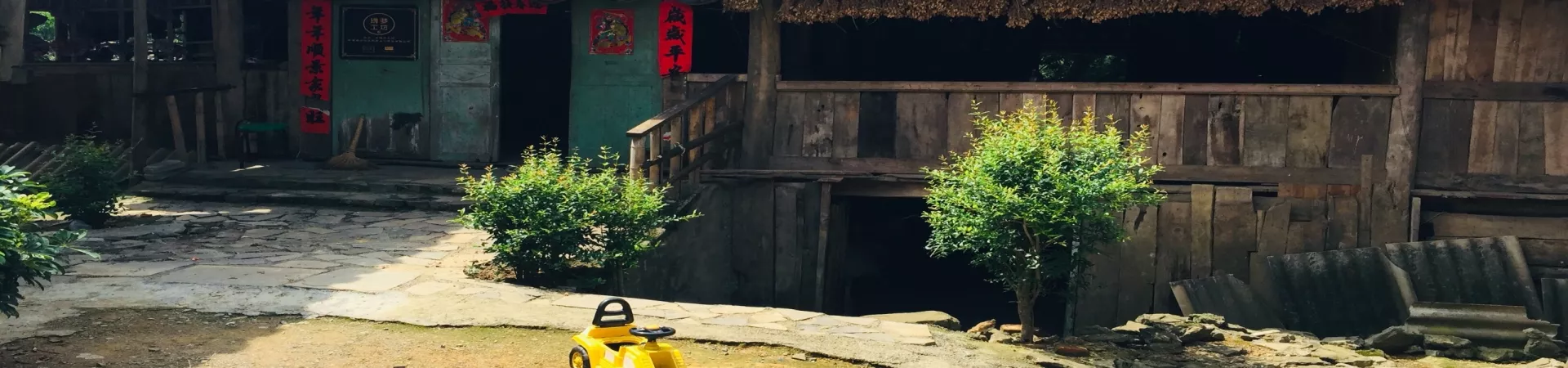
Subtitle: A Journey Through Time in the Heart of Guizhou
Nestled within the dramatic karst landscape of Qianxinan Buyei and Miao Autonomous Prefecture in Guizhou Province, lies a hidden gem that seems to defy the passage of time: Nanlong Buyei Ancient Village. More than just a tourist destination, Nanlong is a living museum, a serene testament to the enduring culture, architectural wisdom, and spiritual traditions of the Buyei people. For the discerning traveler seeking an authentic encounter with China's rich ethnic heritage, far from the well-trodden paths of major cities, Nanlong offers an unparalleled, immersive experience.
I. The Architectural Symphony: Stilted Houses and Stone Fortresses
The first and most striking feature of Nanlong is its physical form—a harmonious blend of human ingenuity and natural adaptation.
A. The Quintessential Ganlan-Style Dwellings The village is a breathtaking ensemble of traditional Buyei ganlan (stilted) houses. Built primarily from locally sourced wood and bamboo, these structures are elevated on sturdy wooden pillars. This design is not merely aesthetic; it is a brilliant adaptation to the local environment. The elevated first floor provides crucial protection against humidity, flooding, and wild animals, while offering cool, ventilated living spaces above. The ground level, enclosed over time, is typically used for livestock and storage. Walking through the narrow, stone-paved lanes, visitors are enveloped by the warm, earthy scent of aged timber and the intricate sight of interlocking beams and brackets, assembled without a single nail in some of the oldest buildings.
B. A Layout Steeped in History and Defense Beyond individual houses, the village's overall layout tells a story of communal life and historical necessity. The houses cluster closely together, connected by a labyrinth of narrow alleys that naturally cool the air and foster a deep sense of community. This compact design also served a defensive purpose in centuries past. The village seamlessly integrates with the surrounding banyan trees and rocky outcrops, some dwellings even built directly against or incorporating large boulders, creating a powerful visual metaphor for a community rooted in and protected by its land.
II. The Living Culture: Weaving, Song, and Festival Rhythms
The soul of Nanlong is not confined to its buildings; it resonates in the daily lives and cultural practices of its residents.
A. The Art of Batik and Embroidery The vibrant Buyei culture is most vividly expressed through its exquisite textiles. In Nanlong, you may witness artisans practicing the ancient craft of batik (laran in Buyei language). Using a copper knife pen, they draw intricate patterns of flowers, dragons, or geometric symbols onto white cloth with molten wax before dyeing it in indigo. The result is the iconic blue-and-white fabric, used in everything from everyday clothing to festive dresses. Similarly, elaborate embroidery adorns collars, sleeves, and aprons, each stitch and color carrying symbolic meaning and passed-down knowledge.
B. Music as a Language and Legacy Music is the heartbeat of the village. The hauntingly beautiful sounds of the lusheng (a bamboo mouth organ) and the suona (a double-reed horn) often echo through the valleys, especially during festivals. Most captivating, however, is the tradition of duige, or antiphonal singing. Young men and women gather, often in informal groups, and improvise poetic verses in a call-and-response format. These songs, sung in the Buyei language, express stories of history, love, and daily life, serving as a vital oral repository of their heritage and a dynamic social custom.
III. A Spiritual Landscape: Ancient Banyans and Sacred Spaces
The spiritual world of the Buyei people is deeply animistic and intertwined with nature, and Nanlong’s environment reflects this sacred connection.
A. The Guardian Banyan Trees Towering, ancient banyan trees with their sprawling aerial roots are scattered throughout and around Nanlong. These are not merely trees; they are considered shenshu (spirit trees), revered as protectors of the village and embodiments of ancestral spirits. Villagers often pay respects to these giants, believing they bring good fortune, health, and stability to the community. Their majestic presence adds a layer of profound tranquility and timelessness to the atmosphere.
B. Ancestral Veneration and Folk Beliefs While specific ritual spaces may be discreet, the concept of ancestor worship is central. Many households maintain altars to honor their forebears. Furthermore, folk beliefs in various spirits of the mountains, water, and earth persist. This deep respect dictates a harmonious relationship with the local ecology, a principle visible in the village's sustainable architecture and agricultural practices. Visitors are encouraged to observe this spiritual reverence with quiet respect.
IV. Practical Guide for the Immersive Visitor
To fully appreciate Nanlong, a mindful and prepared approach is essential.
A. Timing Your Visit and Access The village is accessible year-round, with each season offering a different charm. Spring brings lush greenery and blooming flowers, while autumn offers clear skies and golden hues. The most vibrant time to visit is during traditional Buyei festivals, such as the "March Third" or "June Sixth" festivals, when the village erupts in song, dance, Lusheng performances, and special rituals. Nanlong is located approximately 30 kilometers from Xingyi City. The journey involves a drive followed by a walk or a short local transport ride into the village, taking you progressively further from the modern world.
B. Engagement and Etiquette The true essence of Nanlong is unlocked through respectful engagement. Consider staying in a simple, family-run guesthouse within the village to experience the rhythm of daily life—the morning mists, the evening gatherings. Always ask for permission before photographing residents, especially indoors. A smile and a simple greeting go a long way. Supporting local artisans by purchasing directly from them is a meaningful way to contribute to the community's preservation. Be prepared for basic amenities and embrace the simplicity.
C. Culinary Discovery A visit is incomplete without tasting local Buyei cuisine. Expect hearty, flavorful dishes often featuring pickled vegetables, cured meats, rice steamed in bamboo tubes, and locally sourced freshwater fish. The signature suan tang yu (sour soup fish) is a must-try, a tangy and spicy broth that reflects the local palate.
Opening Hours The village itself is open to visitors daily throughout the year. As a living community, there are no formal gates or operating hours. However, it is considered courteous to visit during daylight hours, typically from early morning until early evening, to avoid disturbing the residents' privacy.