Liu's Manor
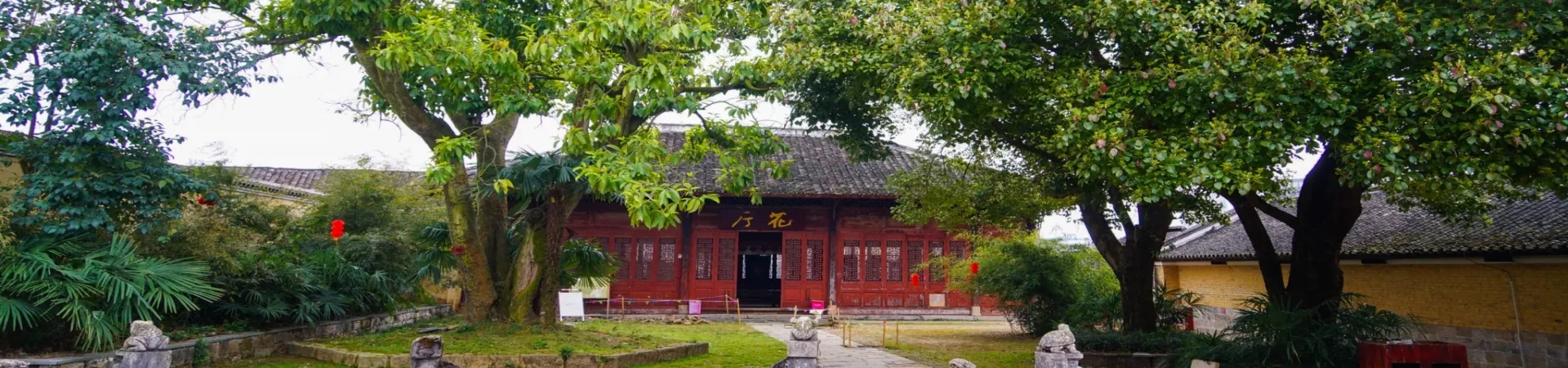
Subtitle: A Journey Through Time: Exploring the Liu Clan Manor, a Monument to Power and Culture in Southwest Guizhou
1. Introduction: A Colossal Legacy in Stone and Wood
Nestled in the heart of Qianxinan, Guizhou Province, lies an architectural and historical behemoth that silently narrates tales of power, family, and regional culture: the Liu Clan Manor. Recognized as the largest manor complex of its kind in China built in the Tunpu fortress style, it stands as a monumental testament to the Liu family's dominance during the tumultuous early Republic of China era. This vast estate was the ancestral home and power base of the influential Liu brothers, Liu Xianshi and Liu Xianqian. Liu Xianshi served as the Military Governor and Provincial Governor of Guizhou, wielding significant political clout, while his brother, Liu Xianqian, commanded guerrilla forces and held the position of Commissioner of Yunnan-Guizhou Border Affairs. Their combined influence made the manor a pivotal center of military, political, and social life in southwestern China. Originally constructed during the Qing Dynasty, the complex reached its zenith in the Republican period, evolving into the largest private estate in the entire province. Today, its core structures remain remarkably well-preserved, offering visitors an unparalleled, immersive walk through a crucial chapter of modern Chinese history, set against a backdrop of formidable architecture.
2. Architectural Grandeur: The Fortress Manor
2.1. The Tunpu Fortress Style The defining characteristic of the Liu Clan Manor is its embodiment of the Tunpu architectural style. This style, with roots in military garrison settlements, emphasizes defensibility, communal living, and strategic layout. The manor complex is not a single building but a sprawling, integrated network of structures designed to be self-sufficient and easily defensible. High, thick walls, watchtowers, narrow windows, and fortified gates are key features, reflecting the unstable socio-political environment of its time. The architecture speaks of a need for security and a demonstration of formidable strength.
2.2. Layout and Key Structures Walking through the manor, one traverses a meticulously planned microcosm. The complex is typically divided into distinct functional zones: the central residential quarters for the patriarch and his immediate family, separate courtyards for other family members, ancestral halls for worship, study rooms, granaries, treasure houses, and quarters for servants and militia. The use of local stone and wood, intricate wood carvings depicting auspicious motifs, and the harmonious yet imposing arrangement of buildings showcase a blend of local craftsmanship and the pragmatic needs of a powerful clan. The main halls, with their elevated platforms, sweeping roofs, and spacious interiors, are particularly impressive, designed to host important gatherings and convey authority.
3. The Heart of Culture: Guizhou Ethnic Marriage Customs Museum
3.1. A Unique Cultural Institution Housed within a section of the manor is one of its most captivating attractions: the Guizhou Ethnic Marriage Customs Museum. This institution holds the distinguished title of being the only museum in China dedicated exclusively to the marriage traditions of ethnic minorities. Its presence within the stark, powerful environment of the warlord's manor creates a fascinating dialogue between structures of political power and repositories of intimate cultural practice.
3.2. A Tapestry of Traditions The museum offers an immersive and colorful deep dive into the rich marital rituals of Guizhou's diverse ethnic groups, with a special focus on the Bouyei and Miao peoples. The exhibits are far from mere displays; they are vibrant narratives of community, symbolism, and celebration.
3.2.1. Bridal Attire and Adornments Visitors can marvel at exquisitely detailed traditional bridal costumes, which are often hand-embroidered over the course of years. Elaborate silver headdresses, necklaces, and bracelets worn by Miao brides are not just jewelry but signify family wealth, social status, and ancestral blessings. The intricate patterns and symbols woven into the fabrics tell stories of the group's history, myths, and hopes for fertility and happiness.
3.2.2. Ritual Objects and Ceremonial Practices The museum showcases a wide array of objects used throughout the marriage process. This includes ceremonial items for engagement rites, such as specific food offerings and symbolic gifts. Exhibits explain the multi-day wedding ceremonies, featuring musical instruments like lusheng (reed pipes) and drums used in processions, as well as artifacts related to the poignant customs of "crying marriage," where brides sing farewell songs to their families.
3.2.3. Interactive Insights Through dioramas, photographs, and detailed explanations, the museum brings to life the entire journey from matchmaking and betrothal to the final wedding festivities and post-marital customs. It highlights the community-centric nature of these events, where marriage is seen as a union of families and villages, reinforced through song, dance, feast, and complex, generations-old protocols.
4. Practical Visitor Information
4.1. Location and Transportation The Liu Clan Manor is located in Xiawutun, Xingyi City, Qianxinan Prefecture. The most convenient way for visitors to reach the site is by public bus. Several bus routes, including numbers 6, 11, and 19, have stops at "Xiawutun Station" (下午屯站), which is within walking distance of the manor.
4.2. Opening Hours and Admission The manor is open to the public daily from 9:00 AM to 5:00 PM. The last admission is at 5:00 PM. It is advisable to allocate a minimum of three hours for a thorough visit, though history and architecture enthusiasts may wish to stay longer. For the most current information regarding ticket prices and any potential discounts (e.g., for students, seniors, or group bookings), it is recommended to contact the scenic area directly prior to your visit.
4.3. Contact Information For direct inquiries, visitors can call the manor at 0859-3374058.