Zhenyuan Ancient City Qinglong Cave
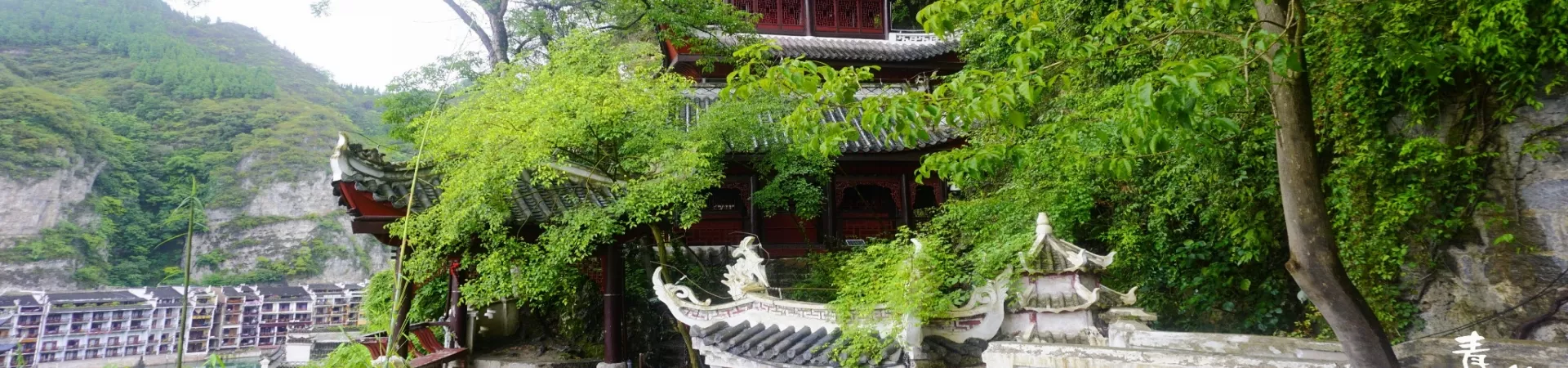
Subtitle: A Comprehensive Visitor's Guide to Zhenyuan's Ancient Cliffside Architectural Marvel
1. Introduction and Historical Significance
Nestled within the enchanting ancient town of Zhenyuan, in China's southeastern Guizhou province, lies the Qinglongdong (Black Dragon Cave) Ancient Architectural Complex. This is not merely a scenic spot; it is a breathtaking testament to human ingenuity and spiritual harmony, carved directly into a sheer limestone cliff face overlooking the majestic Wuyang River. Its construction began in the mid-Ming Dynasty, meaning these structures have clung to the rock for over five centuries, silently witnessing the flow of history and establishing themselves as one of Guizhou's most renowned and awe-inspiring historical sites. The complex represents a rare and profound fusion of architectural styles and philosophical beliefs, creating a unique cultural landscape where nature and human artistry are inseparably intertwined.
2. Architectural Layout and Cultural Fusion
The Qinglongdong complex is a sprawling ensemble of pavilions, temples, monasteries, and bridges, ingeniously adapted to the natural contours of the cliff. It is famously composed of six main sections, each serving a distinct purpose yet harmoniously connected:
2.1. The Core Components
- Qinglongdong (Black Dragon Cave): The namesake natural cave that forms the complex's foundation and spiritual heart.
- Ziyang Academy: A Confucian academy reflecting the scholarly and educational traditions of ancient China.
- Zhongyuan Chan Monastery: A Buddhist temple dedicated to meditation and worship.
- Wanshou Palace (Longevity Palace): This was originally a guild hall for traveling merchants, primarily from Jiangxi, showcasing local commercial culture and communal worship.
- Zhusheng Bridge (Congratulations Bridge): An elegant, multi-arched stone bridge spanning the river, serving as the ceremonial entrance to the complex and offering iconic photographic views.
- Lotus Pavilion: A delicate structure adding to the poetic landscape along the pathways.
2.2. A Symphony of Beliefs What makes Qinglongdong truly exceptional is its seamless integration of Confucianism, Taoism, and Buddhism within a single architectural footprint. This co-location symbolizes a historical and cultural syncretism, where different schools of thought and worship coexisted and influenced one another. Visitors can literally walk from a Confucian lecture hall to a Buddhist shrine and then to a Taoist temple, experiencing the diverse spiritual tapestry of traditional China in one compact, vertical journey.
3. The Crown Jewel: Yuhuangge (Jade Emperor Pavilion)
Among all the architectural wonders here, the Yuhuangge (Jade Emperor Pavilion) stands out as the most daring and visually stunning achievement.
3.1. A Daring Feat of Engineering This pavilion exemplifies the complex's "hanging architecture" principle in its most extreme form. It was constructed directly against the main opening of the Qinglong Cave, projecting out over the precipice with minimal visible support. The builders utilized the cave's own structure and anchored beams deep into the rock, creating the illusion of a building defying gravity.
3.2. The "Half Pavilion, Half Cave" Phenomenon The genius of the Yuhuangge lies in its organic relationship with the cave. The interior of the pavilion incorporates the cave mouth, resulting in a mesmerizing spatial effect described as "half pavilion, half cave." One side offers a man-made wooden chamber for worship of the Jade Emperor, a supreme deity in Taoism, while the other opens into the natural, cavernous void. This perfect marriage of structure and geology creates the quintessential "castle in the air" or "hall in the sky," offering unparalleled views of the river and town below from its perilous perch.
4. Practical Visitor Information
4.1. Ticket and Opening Hours * Ticket Price: The standard admission fee is 60 RMB per person. * Concessions: Discounted or free tickets are available for children (typically free under 1.1m, half-price between 1.1m-1.4m), senior citizens, and active military personnel upon presentation of valid identification. * Operating Schedule: The complex is open daily from 8:30 AM to 5:00 PM. The last admission is at 4:00 PM. It is advisable to allocate at least 1 to 3 hours for a thorough visit to explore the various levels and buildings at a comfortable pace.
4.2. How to Get There * By Public Transport in Zhenyuan: The most straightforward access is via Zhenyuan's local bus system. Take bus No. 1 or No. 2 from the railway station area and disembark at the "Zhusheng Bridge" stop. The entrance to the complex is immediately visible from the bridge. * By Private Vehicle: * Route from Guiyang (via Kaili): Take the expressway to Kaili, exit, and then follow the route via Erlong, Sankshu, and Shidong to Zhenyuan. * Route from Guiyang (via Sansui): Stay on the expressway past Kaili and Majiang, exiting at Sansui. Zhenyuan is approximately 41 kilometers from Sansui, about a 1.5-hour drive on provincial roads. * Note on Specific Transfers: Some older online guides may mention routes to other areas; for visiting the Qinglongdong complex itself, the bus to Zhusheng Bridge is direct and sufficient.
4.3. Contact Information For the most current information, especially regarding group visits or special events, you can contact the site at: +86-855-5729999.