Zhenyuan Ancient City
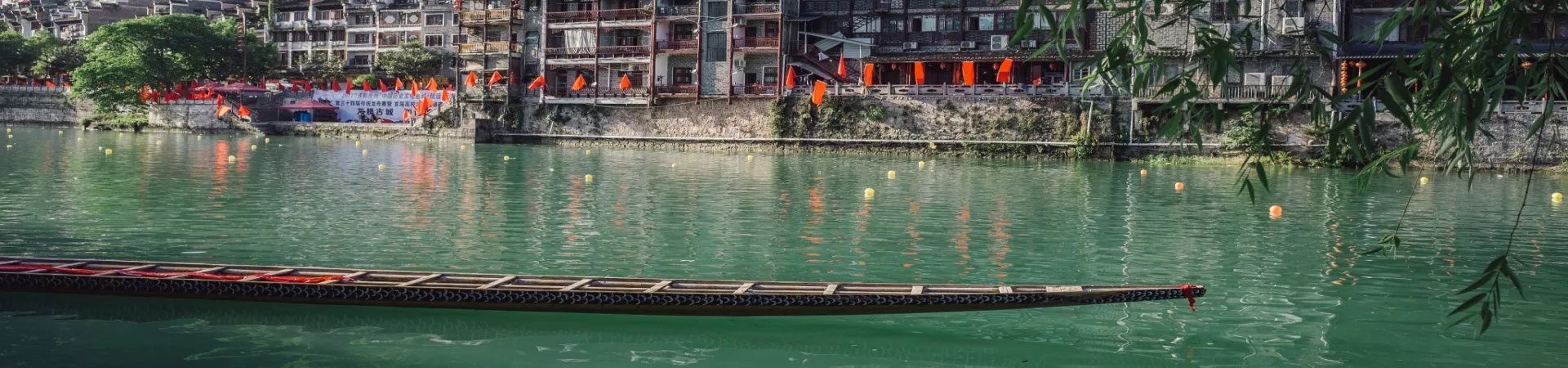
Subtitle: A Journey Through Time in China's Ancient River Town
1. Introduction: Where History Flows with the River Nestled in the eastern part of Guizhou Province, within the culturally rich Qiandongnan region, lies the ancient town of Zhenyuan. This is not merely a tourist destination but a living museum, a serene yet vibrant testament to over two millennia of continuous history. Established as a county as early as the fifth year of Emperor Gaozu of the Han Dynasty (circa 202 BC), Zhenyuan proudly holds the title of the oldest renowned town on the Yunnan-Guizhou Plateau. Its enduring charm lies not in isolated relics but in the harmonious fusion of its dramatic natural landscape, profound historical atmosphere, and the gentle rhythm of daily life that persists along its ancient waterways and streets.
2. The Heart and Soul of the Town: The Wuyang River and Its Layout The defining character of Zhenyuan is gifted by the beautiful Wuyang River. Unlike towns built merely beside a river, Zhenyuan is intimately cradled within its flow. The river gracefully curves through the town in a distinctive, natural S-shape. From the vantage point of the surrounding hills, this ingenious geographical arrangement resembles the ancient Bagua (Eight Trigrams) diagram, earning Zhenyuan the poetic nickname "the Bagua Ancient Town." This layout is more than a visual curiosity; it represents a traditional Chinese philosophical ideal of harmony between humanity and nature.
2.1. Architectural Harmony: Bridges and Streets The river's course naturally divides the town and is bridged by several historic structures that are as functional as they are symbolic. * Zhusheng Bridge (The Old Bridge): Standing sentinel at the eastern part of the ancient town, the majestic Zhusheng Bridge is the iconic landmark of Zhenyuan. Locals affectionately call it "Lao Da Qiao" (the Old Big Bridge). Its sturdy arches and weathered stones have witnessed centuries of history, serving as a vital link and a favored spot for contemplation. * The New Bridge: To the west, the aptly named New Bridge offers another perspective and access point, framing different views of the town's riverside dwellings. * The Riverside Streets: Connecting these bridges and following the river's contours are three main streets, seamlessly joined end-to-end. These flagstone-paved thoroughfares form the bustling backbone of the old town. Lined with well-preserved Ming and Qing dynasty architecture, the buildings feature distinctive local characteristics—black tiles, wooden facades, upturned eaves, and red lanterns. Today, these structures house a lively array of inns, traditional restaurants, tea houses, and artisan shops, creating a vibrant yet unhurried atmosphere.
3. Immersive Experiences: Views, Flavors, and Nightscapes To truly appreciate Zhenyuan, one must engage with it from different angles and times of day.
3.1. The Panoramic Vista: Shiping Mountain For the quintessential postcard view, a hike up Shiping Mountain on the northern edge of the old town is essential. The climb is rewarded with a breathtaking, sweeping panorama. From here, the full artistry of the town's layout is revealed: the shimmering S-curve of the Wuyang River, the grey-tiled roofs cascading down to the water's edge, and the ancient bridges stitching the landscape together. It is a perspective that perfectly encapsulates the town's geomantic beauty.
3.2. A Culinary Journey Descending back into the streets, a sensory delight awaits. Zhenyuan's local cuisine is a highlight, reflecting its riverine and multicultural setting. The air is fragrant with the smells of sizzling woks. Must-try specialties include: * Sour Soup Fish: A local signature, where fresh river fish is cooked in a uniquely fermented tomato-based broth, both tangy and savory. * Daojiaonuo (Sticky Rice Cakes): Glutinous rice cakes with various fillings, often grilled or fried for a satisfying snack. * An array of other street food, from grilled tofu to sweet rice wines, ensures that exploring the town is also a culinary adventure.
3.3. The Enchanting Transformation: Nightfall in Zhenyuan As dusk settles, the town undergoes its most magical transformation, unveiling what many consider its greatest feature: the nightscape. Thousands of lanterns and strategic lights gradually illuminate the riverside buildings, their reflections dancing perfectly on the calm waters of the Wuyang. The bridges, especially the Zhusheng Bridge, are lit dramatically, casting golden glows against the darkening sky. The streets take on a mellower, more romantic ambiance, perfect for a leisurely evening stroll or a serene boat ride on the river to soak in the illuminated scenery from the water level.
4. Essential Visitor Information 4.1. Admission and Opening Hours Access to the ancient town itself is free and open to wander at any time, allowing for spontaneous exploration. However, visitors are required to purchase a nominal 3 RMB accident insurance pass upon entry. Note that several specific historical sites, museums, and buildings within the town (such as some revered temples, the ancient government office, and the climb up Shiping Mountain) may charge separate admission fees. It is advisable to check the latest details on-site. The general operating hours for managed sites are 08:00 - 16:30 daily, with last entry typically around 16:00.
4.2. Getting There The most convenient gateway is from Guiyang, the provincial capital. * By Train: Take a train from Guiyang to Zhenyuan Railway Station. The journey is scenic and takes approximately 4 hours. * Final Leg: Upon arrival at Zhenyuan's train station or the nearby bus station, take local public bus No. 1, 2, 3, 4, or 5. Alight at the "Nonghang" (Agricultural Bank) bus stop. From there, it is a short and straightforward walk of about 230 meters to the entrance of the ancient town area.
4.3. Suggested Duration To fully experience the town's daytime charm, captivating nightscape, and perhaps visit a couple of key historical sites, a stay of 1 to 2 days is highly recommended. This allows time to wander without rush, enjoy meals by the river, and witness the transition from day to night.