Wuyang River
Subtitle: A Journey Through the Wuyang River Scenic Area: Nature, History, and Culture in Southeast Guizhou
1. Introduction to the Wuyang River Region Nestled within the territories of Zhenyuan, Shibing, and Huangping counties near Kaili City in the Qiandongnan Miao and Dong Autonomous Prefecture, the Wuyang River Scenic Area represents one of Guizhou Province's most captivating and comprehensive destinations. This expansive region seamlessly integrates majestic natural landscapes, profound historical sites, and vibrant ethnic minority cultures into a single, unforgettable experience. The area's core attractions include the dramatic Three Gorges of the Wuyang River, the sacred and mist-enshrouded Yuntai Mountain, the serene and forested paths of Tiexi (Iron Stream), and the impeccably preserved ancient town of Zhenyuan. Visitors are invited to embark on a journey where emerald-green waters carve through towering karst peaks, where ancient stone streets whisper centuries of history, and where the rich traditions of the Miao and Dong communities add a layer of living cultural depth.
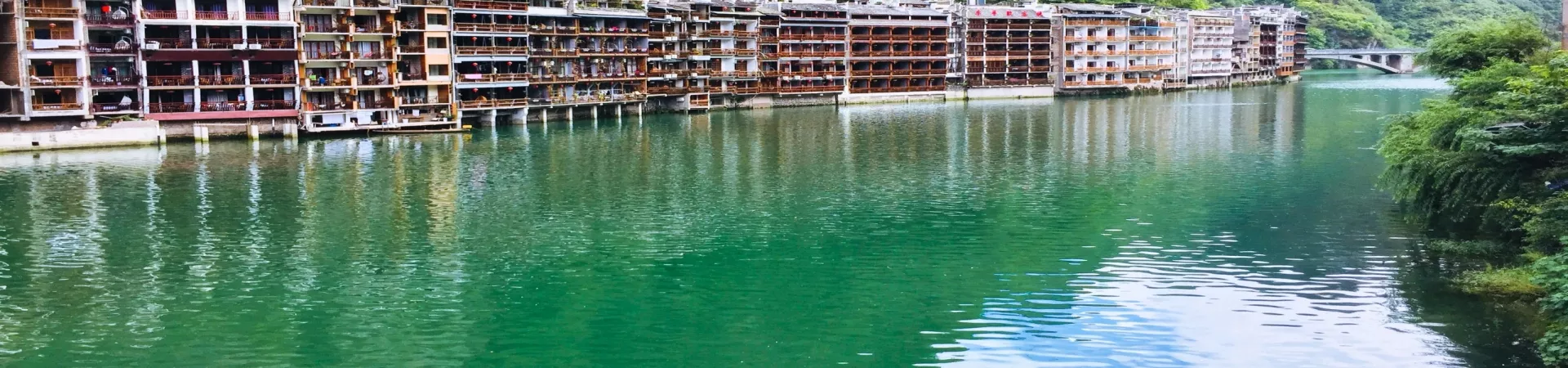
2. The Natural Splendor: A Landscape of Legendary Beauty 2.1. The Heart of the Scenery: Wuyang River's Three Gorges The Wuyang River itself is the lifeblood and centerpiece of the region. Its most celebrated section, the Three Gorges, offers a boat tour that is often described as a condensed masterpiece of China's most famous landscapes. The river's character is defined by its astonishingly clear, jade-green water ("Lü Shui") and the sheer, forested karst cliffs ("Xian Feng") that rise dramatically from its banks. This unique geology creates a scene so powerful it has earned poetic comparisons: it possesses the grandeur of the Yangtze River's Three Gorges, the elegant lushness of Sichuan's Mount Emei, the picturesque beauty of Guilin's Li River, and the secluded tranquility of Yangshuo's vistas. A cruise here is a tranquil yet awe-inspiring experience, with each bend in the river revealing new limestone formations, hidden waterfalls, and caves.
2.2. Complementary Natural Attractions: Yuntai Mountain & Tiexi Beyond the river, the area's natural diversity shines. Yuntai Mountain, a UNESCO Global Geopark site, is a paradise for hikers and nature enthusiasts. Its peaks often pierce through clouds, offering breathtaking panoramic views of the surrounding karst forest. The mountain is home to ancient temples, diverse plant life, and a profound sense of spiritual peace. In contrast, Tiexi (Iron Stream) provides a more intimate natural encounter. This gentle stream, accessible from Zhenyuan, is famed for its crystal-clear waters, winding through a deep, verdant valley. A walk along its paths is a journey into a cool, quiet, and almost mythical woodland, perfect for a half-day of relaxation and photography.
3. The Cultural and Historical Core: Zhenyuan Ancient Town 3.1. A Living Museum on the River While nature provides the backdrop, history provides the soul at Zhenyuan Ancient Town. Built over 2,000 years ago and strategically located on the ancient trade route between central China and Yunnan, Zhenyuan is a stunningly preserved example of a traditional Chinese riverside town. Its architecture is a harmonious fusion of Han, Miao, and Dong styles. The town is laid out along the graceful curve of the Wuyang River, with traditional dwellings, shops, and inns featuring black-tiled roofs, wooden facades, and ornate eaves lining the cobblestone streets. At night, the riverside buildings are illuminated, their reflections dancing on the water in a spectacular display.
3.2. Architectural and Spiritual Heritage The town's historical significance is embodied in its iconic structures. The Qinglongdong (Black Dragon Cave) Ancient Architectural Complex is a must-see. This ingenious collection of temples, pavilions, and monasteries is built directly into the face of a cliffside overlooking the river, representing a blend of Confucian, Taoist, and Buddhist influences. Exploring its multi-level walkways and halls feels like discovering a hidden world. Scattered throughout the town and surrounding hills are other notable sites, including the majestic Zhusheng Bridge (Happy Saint Bridge) and various ancient city gates and walls, all testifying to Zhenyuan's long and strategic importance.
4. Practical Visitor Information 4.1. Transportation: How to Get There and Around Reaching the Wuyang River area requires some planning but is straightforward. The primary gateway is Zhenyuan Town. * By Train: The Xiangtan-Qianyang Railway passes through Zhenyuan. Travelers can take a train from Guiyang to Zhenyuan Railway Station (approx. 5+ hours), though not all trains stop here. From the station, it's under 2 km to the old town; take a local minivan (approx. 2 RMB) or a tricycle (1-2 RMB). * By Long-Distance Bus: Direct buses from Guiyang Long-Distance Bus Station to Zhenyuan are available (fare approx. 43 RMB). Connections are also possible from Kaili (20-30 RMB, 3-hour journey, with morning and afternoon departures) and from Yuping (15 RMB, 2-hour journey). * Local Transport: Within Zhenyuan, there are no public buses. Taxis start at 3 RMB, sufficient for most trips within the town. To reach Tiexi, take an electric tourist cart from near Zhusheng Temple in Zhenyuan (6 RMB, 20-minute ride). A taxi from the train station to Qinglongdong costs around 4 RMB.
4.2. Admission and Operations * Ticket Information: Ticket prices are attraction-specific. For example, a scenic boat tour on the Wuyang River in Zhenyuan costs approximately 80 RMB. Prices for Yuntai Mountain, Tiexi, and specific historic sites vary. It is always advisable to check the latest fees and package options directly at ticket offices or via official channels. * Opening Hours: The general operating hours for the major scenic spots (like the boat tours and park entrances) are typically 8:30 AM to 5:00 PM, with last admissions at 5:00 PM. These hours are consistent throughout the year, but minor seasonal adjustments are possible. * Contact: For the most current and detailed inquiries, you can contact the scenic area administration at 0855-5729999.
4.3. Suggested Duration and Travel Tips A minimum of 2-3 days is recommended to fully appreciate the Wuyang River region. A typical itinerary could include one day for the Wuyang River boat tour and exploring Zhenyuan's ancient streets, a second day for hiking Yuntai Mountain or visiting Tiexi, and time to simply soak in the atmosphere. The area beautifully combines active exploration with serene relaxation, offering a profound escape into one of China's most picturesque and culturally rich landscapes.