Langde Shangzhai
Subtitle: A Journey into the Heart of Miao Culture: Langde Shangzhai, Guizhou
Introduction: The Living Museum of the Miao People
Nestled amidst the lush, rolling mountains of Southeast Guizhou's Qiandongnan Prefecture, Langde Shangzhai (Upper Langde Village) stands as a remarkably preserved bastion of Miao ethnic culture. Far from the mere concept of an open-air exhibit, this village of approximately one hundred households is a vibrant, living community where ancient traditions form the very fabric of daily life. Recognized nationally as both a "Hometown of Chinese Folk Song and Dance Art" and one of the "Country's Hundred Open-Air Museums," Langde Shangzhai offers an immersive and authentic encounter. Its designation as a National Key Cultural Relics Protection Unit (the fifth batch) further underscores its immense historical and cultural value. For travelers seeking to move beyond the well-trodden path of the more commercialized Xijiang Thousand Households Miao Village, Langde presents a serene, intimate, and profoundly genuine window into the soul of the Miao people.
I. The Village and Its Heritage: A Landscape in Harmony
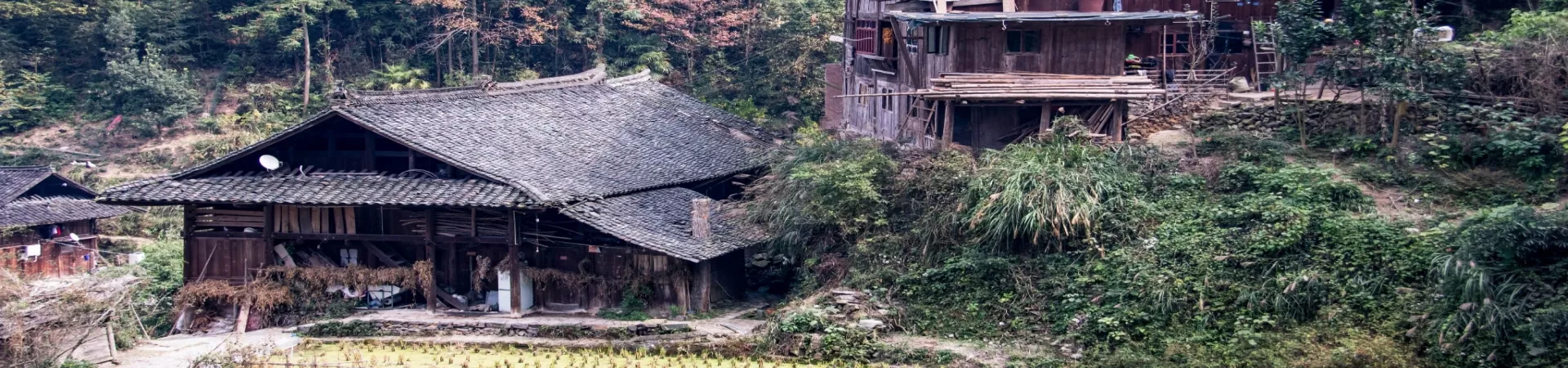
A. A Tapestry of Architecture and Nature The village's layout is a masterpiece of adaptation to the environment. Clinging to the slopes of lush, green hills and bordered by a clear, meandering stream, Langde Shangzhai is a picture of harmonious coexistence. The traditional Miao stilted wooden houses, known as diaojiaolou, rise tier upon tier, their dark timber and grey-tiled roofs blending seamlessly with the natural surroundings. Winding stone pathways, worn smooth by generations of footsteps, connect the homes, leading visitors past ancient lusheng (reed pipe) pillars and through weathered gate towers. The air is filled with the sounds of flowing water, rustling leaves, and distant conversations, creating an atmosphere of tranquil timelessness that is increasingly rare to find.
B. Guardians of Tradition: The "Long-Skirt Miao" The inhabitants of Langde belong to a specific branch of the Miao ethnic group, distinguished by their elaborate traditional attire, which features beautifully pleated, floor-length skirts. This has earned them the local name "Changqun Miao," or the "Long-Skirt Miao." The women's costumes are particularly breathtaking, especially during festivals. They are adorned with intricate embroidery, delicate silver jewelry—from towering headdresses and necklaces to bracelets and breastplates—all handcrafted using techniques passed down through centuries. The vibrant colors and symbolic patterns woven into their textiles tell stories of their history, myths, and connection to the natural world. Seeing the villagers, especially the elder women, wearing these garments in their daily life or during performances is to witness a walking, breathing cultural heritage.
II. The Rhythm of Langde: Music, Dance, and Ceremony
A. The Unforgettable Village Entrance Ceremony A visit to Langde Shangzhai is often inaugurated by one of its most iconic and heartfelt traditions: the Blocking-the-Way Toast ceremony. As guests approach the main entrance, a line of Miao women, dressed in full ceremonial regalia, forms across the path. They sing polyphonic feige (flying songs)—high-pitched, resonant melodies that carry across the valleys—while offering cups of homemade rice wine. To refuse is impolite; the custom is to drink without using your hands, as the gracious hosts will gently tilt the cup for you. This powerful ritual of welcome, accompanied by the hauntingly beautiful songs, immediately dissolves the boundary between visitor and community, setting the stage for a deeply personal experience.
B. A Stage of Living Culture: Daily Performances The village's reputation as a cradle of folk art is on full display during its scheduled cultural performances, usually held on a central open ground. These are not mere shows for tourists but proud expressions of identity.
- The Lusheng Dance: The deep, sonorous tones of the lusheng, a traditional bamboo wind instrument, provide the rhythmic heartbeat for coordinated group dances. Men often play the instruments while dancing in circles, their movements vigorous and grounded.
- The Bronze Drum Dance: This ancient dance, sometimes performed around a revered bronze drum, involves rhythmic, swaying steps and is steeped in historical significance, often evoking stories of migration and celebration.
- The Art of Song: From the joyful jiujiuge (toasting songs) to the improvised antiphonal singing between young men and women, music is the language of emotion and social life here. The feige songs, in particular, with their freeform structure and powerful delivery, are a UNESCO-recognized intangible cultural heritage.
III. Practical Information for Your Visit
A. Planning Your Trip: Tickets and Timing To fully absorb the atmosphere, explore the lanes, and witness the cultural performances, a full day is recommended. The village operates with set visiting hours.
- Opening Hours: 8:30 AM to 6:30 PM daily, with last entry at 6:00 PM.
- Admission Fees:
- Standard Ticket: 50 RMB for adults.
- Ticket with Round-Trip Sightseeing Car: 60 RMB for adults. The sightseeing car transports visitors from the parking area to the village entrance, saving a walk up the hill.
- Special Note: One direct family member accompanying a visitor aged 80 or above can enter free of charge for assistance purposes.
B. Immersive Experiences Beyond the Performance While the formal performance is a highlight, the true magic of Langde lies in quieter interactions. Wander the back lanes to observe artisans at work—perhaps an elder weaving a intricate belt or a blacksmith forging tools. Visit a local home for a cup of tea, offering a glimpse into domestic life. The village is also a starting point for scenic walks into the surrounding terraced fields and bamboo forests. Compared to larger, more crowded ethnic tourism sites, Langde's charm is its scale and authenticity; here, you can hear yourself think and engage meaningfully with the environment and its people.
Contact & Further Details: For the most current information, especially regarding performance schedules which can vary, you may contact the village management at 0855-2266552. As with many cultural sites, details such as ticket prices are subject to change (last updated information reflected here was from July 2023).