Jiabang Terrace
Subtitle: A Masterpiece of Miao Culture and Mountain Agriculture in Southeast Guizhou
1. Introduction: The Living Landscape of the Miao People
Nestled deep within the mountains of Southeast Guizhou (Qiandongnan), the Jiabang Terraced Fields stand as a breathtaking testament to the ingenuity, perseverance, and harmonious philosophy of the Miao ethnic people. Far more than a mere scenic attraction, this vast expanse of cultivated slopes is a living, breathing cultural landscape, shaped over countless generations. It represents a profound dialogue between human beings and nature, where the needs of agriculture have been woven seamlessly into the fabric of the steep, rugged terrain. The terraces are not simply fields for growing rice; they are the foundational canvas upon which the local Miao communities have painted their history, culture, and way of life for centuries. Visiting Jiabang is an opportunity to witness one of China's most stunning agricultural marvels and to gain insight into the sustainable practices and rich traditions of the Miao people.
2. The Artistic and Agricultural Marvel
2.1. A Symphony of Form and Scale The first impression of Jiabang Terraces is one of overwhelming scale and majestic beauty. Carved into the mountainsides across multiple villages and valleys, the terraces form a colossal, layered tapestry that stretches as far as the eye can see. Their grandeur is undeniable, yet it is the exquisite detail in their form that truly captivates. The terraces follow every contour and curve of the land, creating a mesmerizing series of lines—some sweeping and graceful, others tightly coiled and intricate. From razor-thin ribbons clinging to precipitous slopes to broad, generous curves encircling lower hills, the variety is endless. This masterful adaptation to the terrain has led many to regard Jiabang as a distillation of the very essence of terracing, incorporating and refining the aesthetic and functional qualities found in terraced landscapes across the world.
2.2. The Rhythm of the Seasons The beauty of Jiabang is dynamic, changing dramatically with the agricultural calendar. The most iconic and photogenic period begins in April and May, when the fields are flooded in preparation for planting. During this time, the terraces transform into a gigantic mosaic of thousands of mirrors. They reflect the sky, clouds, and the changing light of day, creating surreal and stunning visual effects, especially at sunrise and sunset. As the seasons progress, the fields turn a vibrant emerald green with young rice shoots, then a lush, deep green in summer, and finally, a glorious golden yellow in autumn before the harvest. While each season has its charm, many photographers and visitors consider early October the prime time for photography, when the golden rice is ripe but still standing, offering a spectacular contrast against the green mountains and blue sky.
3. A Tapestry of Culture and Nature
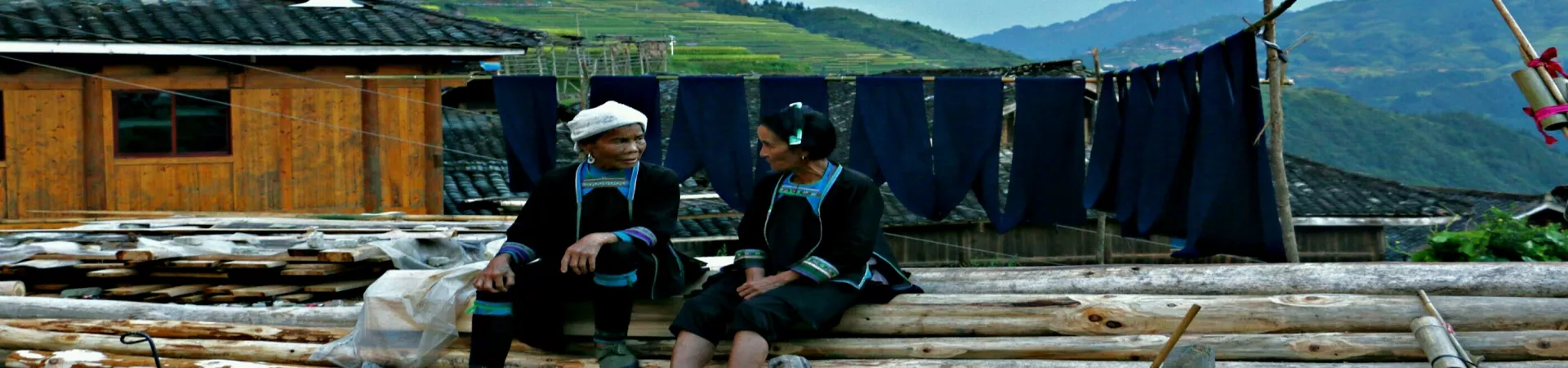
3.1. Integrated Villages: The Heart of the Landscape The human element is integral to the beauty of Jiabang. Scattered throughout the terraces, traditional Miao wooden houses, often built on stilts, cluster into small, picturesque hamlets. These villages, such as Dangniu, Jiabang, and Paixiang, appear to grow organically from the landscape. Smoke curls from kitchens, paths wind from homes to fields, and the daily life of the communities unfolds within this magnificent setting. This seamless integration creates a scene of idyllic harmony. The terraces feed the villages, and the villages maintain the terraces, embodying a sustainable cycle that has endured for generations. The sight of farmers tending their plots, water buffalo resting in the mud, and villagers going about their daily routines against the backdrop of the terraces completes the picture, reminding visitors that this is a working, lived-in environment.
3.2. The Harmony of Existence Jiabang Terraces ultimately stand as a powerful symbol of harmonious coexistence. They demonstrate how human activity, when guided by deep understanding and respect for natural constraints, can enhance rather than detract from the environment. The sophisticated water management system, passed down through oral tradition, distributes mountain spring water evenly across thousands of plots. The terraces themselves prevent soil erosion and conserve water. This landscape is a masterpiece of ecological engineering and a philosophy made visible—a philosophy where culture and nature are not separate entities but interdependent parts of a whole.
4. Practical Visitor Information
4.1. Tickets and Operational Update As of April 18, 2023, the Jiabang Terraced Fields area has transitioned to a formal, closed-loop management system as a regulated tourist attraction. All visitors entering the core scenic area are required to purchase both an Admission Ticket and a Shuttle Bus (摆渡车) Ticket. The standard fee is approximately 80 RMB for the entrance ticket and an additional 40 RMB for the compulsory shuttle bus service. It is highly advisable to confirm the latest pricing, shuttle routes, and operational details directly with the official景区 (scenic area) management before your visit, as policies may be subject to change. The contact number for inquiries is 18386715574.
4.2. Transportation and Access Reaching Jiabang requires some planning due to its remote location. There are two primary public transport routes: * From Congjiang (从江): Take a direct bus from Congjiang Bus Station to Jiabang Township (加榜乡). The journey takes roughly 3 hours. * From Rongjiang (榕江): Take a bus from Rongjiang Bus Station to Zaibian Town (宰便镇). Note that this bus service may not run daily, so advance inquiry at the station is crucial. You must inform the driver to drop you off at the Dangniu Road Junction (党扭路口). From this junction, you will need to arrange local transport or connect with the scenic area shuttle system to reach the terraces. This journey also takes about 3 hours.
Given the complexities and potential infrequency of public transport, many visitors opt for hiring a private car or joining a guided tour from Kaili, Congjiang, or Rongjiang for greater convenience and flexibility.
4.3. Visit Duration and Opening Hours A typical visit to appreciate the main viewpoints and soak in the atmosphere requires 1 to 3 hours, though photography enthusiasts or those wishing to explore multiple villages may wish to allocate a full day or even stay overnight in a local guesthouse. The scenic area itself is officially open 24 hours a day, every day of the year. However, access via shuttle buses is typically limited to daylight hours. The "all-day" access generally refers to the fact that the landscape is always visible, and visitors staying within the area's accommodations can experience it at all times.