Putian Meifeng Temple
Subtitle: A Journey Through Plum Blossoms and Centuries of Devotion in Putian
1. Introduction: The Plum Blossom Monastery Overlooking the City
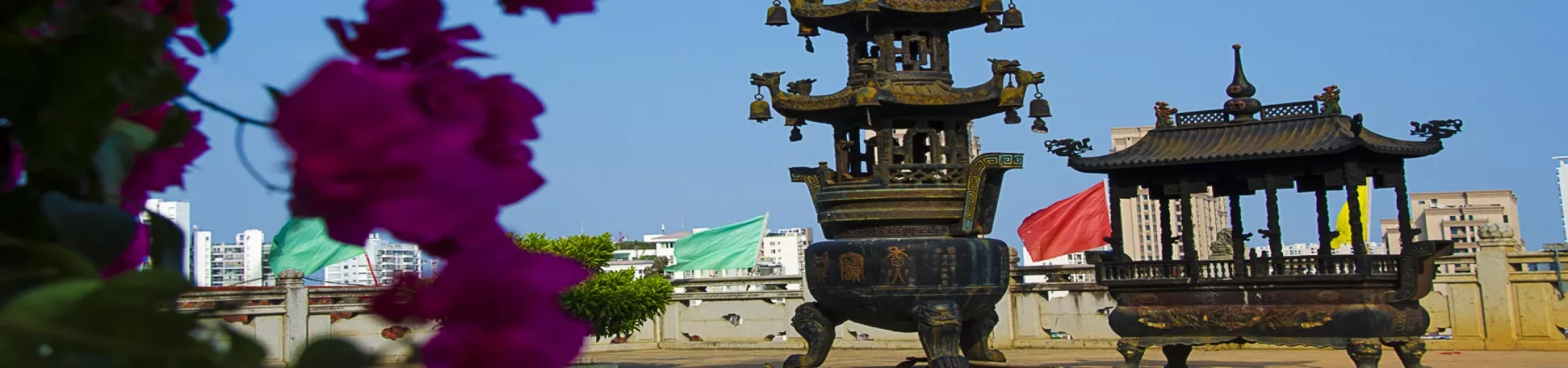
Nestled in the heart of Putian City, Fujian Province, along the bustling Shengli Road, lies the serene and historically rich Meifeng Temple. Its name, translating to "Plum Peak Temple," is a poetic homage to its origins and enduring character. The temple's story begins not with grand halls but with a humble Guanyin (the Goddess of Mercy) pavilion. Its transformation into a significant monastic complex is intertwined with imperial favor, botanical beauty, and the enduring devotion of local and overseas communities. Today, Meifeng Temple stands as a unique urban sanctuary, where spiritual tranquility, architectural grandeur, and natural splendor converge, offering visitors a peaceful retreat with commanding views over the modern cityscape.
2. Historical Roots and Imperial Patronage
2.1. From Humble Pavilion to "Buddha's Kingdom in a Plum Forest" The genesis of Meifeng Temple can be traced to a simple观音亭 (Guanyin Ting), a pavilion dedicated to the Bodhisattva of Compassion. Its destiny changed profoundly during the Song Dynasty (960-1279 AD) when the surrounding hills were extensively planted with plum trees. The sight of the blooming plum blossoms, symbolizing resilience and purity in Chinese culture, captivated even the emperor. Emperor Huizong, a ruler known for his artistic sensibilities, bestowed upon the site the illustrious匾额 (bian'e), or inscribed board, proclaiming it "梅林佛国" (Meilin Fóguó) – "Buddha's Kingdom in a Plum Forest." This imperial endorsement not only elevated the temple's status but also cemented "Meifeng" (Plum Peak) as its permanent and cherished name.
2.2. Modern Revival: A Community Endeavor After centuries of weathering historical changes, Meifeng Temple underwent a remarkable renaissance in recent decades. This large-scale renovation and expansion were made possible primarily through the ardent support and generous contributions of overseas Chinese communities with roots in Putian (known as the Hometown of Overseas Chinese). Their dedication has revitalized the temple complex, ensuring the preservation of its cultural heritage while allowing for new developments that meet contemporary needs, bridging the spiritual connection between the homeland and its diaspora.
3. Architectural Layout and Sacred Landmarks
The temple complex is a harmonious blend of traditional Buddhist architecture and modern construction, arranged along the natural contours of the hill.
3.1. The Crown Jewel: The Majestic Guanyin Pavilion Dominating the skyline and representing the pinnacle of the temple's modern expansion is the awe-inspiring Guanyin Pavilion (观音阁), perched atop the hill. Soaring to a height of several dozen meters, it is notably the tallest structure in Putian's urban center. This magnificent multi-storied pavilion is dedicated to Guanyin and serves as a powerful landmark visible from afar.
3.2. A Panoramic Vista: The View from the Summit The ascent to the Guanyin Pavilion is rewarded with an unparalleled visual experience. 3.2.1. The Sweeping Cityscape: Upon reaching the upper levels and looking out, visitors are treated to a breathtaking, unobstructed panoramic view. The entire urban expanse of Putian unfolds below, with its mosaic of streets, buildings, and distant mountains painting a vivid picture of the city's life and topography. 3.2.2. A Sacred Perspective: This vantage point offers more than just a scenic overlook; it provides a symbolic and literal overview of the worldly domain from a place of spiritual height, encouraging contemplation and a sense of peaceful detachment.
4. The Enchanting Natural Ambiance: A Sea of Plum Blossoms
True to its name and origin, Meifeng Temple remains a botanical haven. The hillsides are still extensively adorned with various species of plum trees (梅树, méishù), maintaining the poetic landscape that inspired an emperor.
4.1. Seasonal Spectacle: Fragrance and Florals Visiting during the late winter to early spring bloom transforms the temple grounds into a scene of ethereal beauty. 4.1.1. Sensory Immersion: The air becomes thick with the delicate, sweet fragrance of countless plum blossoms. 4.1.2. Visual Poetry: The sight of the trees, with branches covered in delicate white and pink flowers against the backdrop of ancient temple roofs and the modern city, creates a stunning visual contrast often described as a "香国雪海" (xiāng guó xuě hǎi) – a "Fragrant Kingdom and Sea of Snow." This annual floral spectacle stands as one of Putian's most unique and beloved urban landscapes, perfectly blending natural artistry with cultural heritage.
5. Practical Information for Visitors
5.1. Admission Details For the most current information regarding ticket prices, potential discounts for students or seniors, and any special entry policies, it is advisable to contact the temple management or check with local tourist information centers upon arrival in Putian.
5.2. Operating Hours The temple is open to the public daily throughout the year. 5.2.1. Daily Schedule: Access is typically from 8:30 in the morning until 17:00 in the afternoon. 5.2.2. Planning Your Visit: Allocating a couple of hours is recommended to fully appreciate the climb through the plum groves, explore the main prayer halls, ascend the Guanyin Pavilion, and soak in the panoramic views at a leisurely pace. The ambiance varies beautifully with the time of day, from clear morning light to the soft glow of the afternoon.